Hepatitis B and C Linked to Increased Risk of Parkinson’s Disease, Study Reports
Summary: A large retrospective study found that people with hepatitis B had up to a 76% higher risk of developing Parkinson’s disease, while those with hepatitis C had a 51% higher risk compared with a reference population.
Source: AAN.
New research published online in Neurology (March 29, 2017) reports an association between viral hepatitis and a higher later risk of Parkinson’s disease (PD). The study examined English hospital records and found elevated rates of PD following diagnoses of hepatitis B and hepatitis C, suggesting a possible link between these liver infections and neurodegenerative disease.
Background and public health context
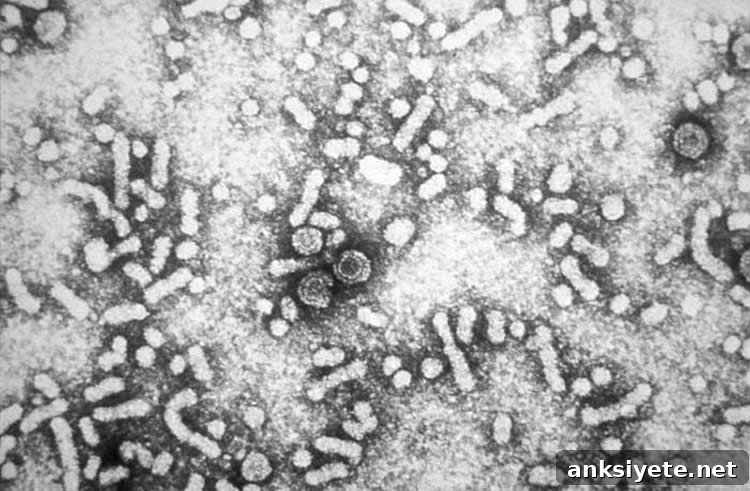
Hepatitis B virus (HBV) and hepatitis C virus (HCV) infect the liver and can cause long-term illness. According to the U.S. Centers for Disease Control and Prevention (CDC), chronic hepatitis B affects an estimated 850,000 to 2.2 million people in the United States, and chronic hepatitis C affects roughly 2.7 to 3.9 million people. Because many people have few or no symptoms for years, infections frequently go undiagnosed in early stages.
Transmission of hepatitis B occurs through contact with the blood or body fluids of an infected person, including unprotected sex, sharing injection equipment, or exposure to unsterilized tools for tattoos or piercings. Hepatitis C is primarily spread by blood-to-blood contact, such as sharing needles, razors, or other items that may carry infected blood; it can also be transmitted from an infected mother to her baby at birth.
Study design and methods
Researchers led by Julia Pakpoor of the University of Oxford analyzed linked English National Hospital Episode Statistics and mortality records from 1999 to 2011. They assembled cohorts of patients who had a first recorded hospital episode for hepatitis B, hepatitis C, autoimmune hepatitis, chronic active hepatitis, and HIV. Each cohort was compared to a large reference group consisting of patients hospitalized for relatively minor conditions (for example, cataract surgery, bunion correction, or knee replacement). The investigators then determined how many people in each group later received a diagnosis of Parkinson’s disease.
The study cohorts included nearly 22,000 people with hepatitis B, about 48,000 with hepatitis C, 6,000 with autoimmune hepatitis, 4,000 with chronic active hepatitis, and nearly 20,000 with HIV. The comparison group comprised more than 6 million people admitted for minor conditions.
Key findings
After adjusting and comparing rates, the researchers found a statistically significant elevation in Parkinson’s disease following hepatitis B and hepatitis C diagnoses. Specifically:
- People with hepatitis B had a 76% higher rate of subsequent Parkinson’s disease compared with the reference cohort (standardized rate ratio 1.76). In raw counts, 44 people with hepatitis B developed Parkinson’s disease versus 25 expected cases based on the comparison group.
- People with hepatitis C had a 51% higher rate of subsequent Parkinson’s disease (rate ratio 1.51). In raw counts, 73 people with hepatitis C developed Parkinson’s disease versus about 49 expected cases.
The association remained when the investigators excluded Parkinson’s diagnoses made within the first year after the hepatitis episode; the adjusted rate ratios in that analysis were 1.82 for hepatitis B and 1.43 for hepatitis C. No increased PD rates were observed after autoimmune hepatitis, chronic active hepatitis, or HIV diagnoses.
Interpretation and limitations
Study authors note several possible explanations for the observed associations: direct effects of the viral infections on the nervous system, indirect consequences of systemic inflammation, shared biological mechanisms that increase susceptibility to both viral infection and neurodegeneration, or effects related to antiviral treatments. The observational design cannot determine cause and effect.
Limitations include reliance on hospital records (which may miss community-diagnosed cases), inability to adjust for lifestyle factors such as smoking, alcohol use, or occupational exposures that can influence Parkinson’s risk, and the potential for unmeasured confounding. A prior population study from Taiwan reported a relationship between hepatitis C and Parkinson’s disease but did not find an association with hepatitis B, highlighting the need for further research and replication in other populations.
Funding and research details
The British National Institute for Health Research supported the development of the datasets and software used in this research. The study, titled “Viral hepatitis and Parkinson disease,” was authored by Julia Pakpoor and colleagues and published in Neurology on March 29, 2017 (doi:10.1212/WNL.0000000000003848).
Conclusions
This large hospital-records study provides evidence of an increased rate of Parkinson’s disease following hepatitis B and hepatitis C diagnoses. While the findings do not establish causation, they highlight a potential link between viral hepatitis and later neurodegenerative disease that merits further investigation into underlying biological pathways and the possible role of infection or antiviral therapy in Parkinson’s disease development.