
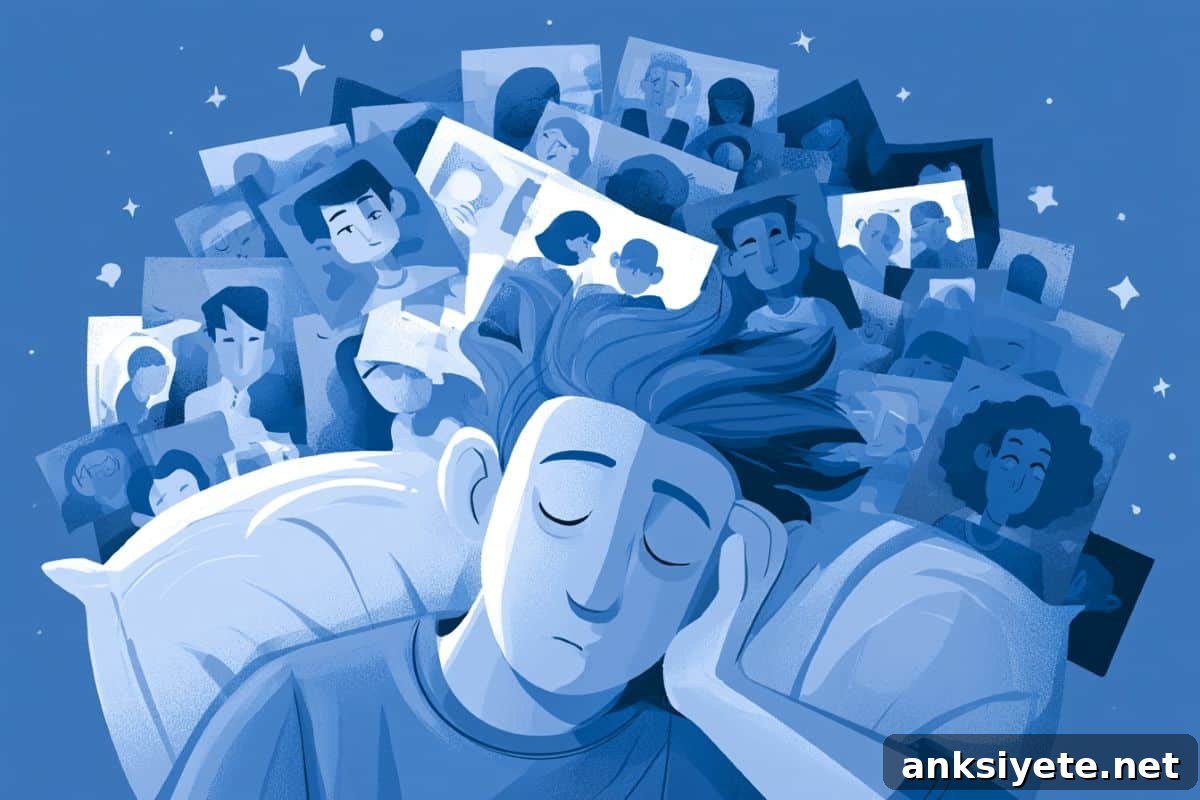
Summary: Memory loss after a night of sleep deprivation reflects a temporary inability to retrieve stored information, not the permanent erasure of memory traces. This study tracked how lack of sleep impairs a mammal’s ability to tell apart different social encounters that happen in the same environment.
Using precise optogenetics and targeted pharmacology, the researchers show that sleep-deprived mice fail to recognize previously met peers. Critically, the team was able to restore those lost social memories either by administering the approved drug roflumilast or by directly reactivating the specific cell networks (engrams) that encoded the encounters with laser light.
Key Facts
- Retrieval failure, not erasure: Contrary to the long-held idea that poor sleep prevents memories from being consolidated or permanently stored, this work demonstrates that the brain does record social experiences during sleep debt. The problem lies in temporarily losing the mechanisms required to access those stored memories.
- Realistic multi-individual test: Social interactions usually occur with multiple people in the same place. To model this, mice met several different conspecifics in an identical setting across days. Well-rested mice distinguished familiar from unfamiliar individuals; sleep-deprived mice showed complete recognition failure, confusing known peers with strangers.
- Pharmacological rescue with roflumilast: Administering roflumilast, a phosphodiesterase-4 (PDE4) inhibitor approved for respiratory conditions, immediately before a re-encounter reopened access to hidden social memories in sleep-deprived animals. This result parallels earlier findings from the same lab on spatial memory recovery.
- Optogenetic proof of intact engrams: To test whether the memories still existed, investigators tagged the hippocampal neuron ensembles activated during the initial social encounters and later used light to reactivate those cells. The artificial reactivation instantly restored social recognition in sleep-deprived mice, proving the memory trace remained intact.
- Lasting benefit after a single reactivation: Remarkably, a single optogenetic reactivation not only restored immediate recall but also allowed the mouse to regain natural, unassisted access to that social memory for several days, indicating that targeted retrieval can permanently repair a sleep-induced access problem.
- Shared hippocampal circuitry: Both spatial mapping and the indexing of multiple social individuals draw on overlapping hippocampal networks. Sleep deprivation disrupts this hub, impairing the brain’s ability to keep related contextual experiences distinct.
- Clinical and public health promise: By identifying a molecular gatekeeper disrupted by sleep loss, the study highlights potential therapeutic strategies to restore memory access. These findings are relevant for retrograde amnesia, Alzheimer’s-related memory impairment, and people exposed to chronic sleep fragmentation such as shift workers, healthcare staff, students, and parents of infants.
Source: University of Groningen
Everyone who has pulled an all-nighter recognizes the next‑day “brain fog.” That fog often includes lapses in remembering where you were, who you met, or details of those encounters.
Robbert Havekes, a neuroscientist at the University of Groningen, studies how sleep loss affects memory. In a study published in Science Advances on 10 June, Havekes and first author Adithya Sarma show that sleep deprivation causes mice to appear to forget social encounters. Crucially, the evidence indicates those social memories remain stored but are temporarily inaccessible.
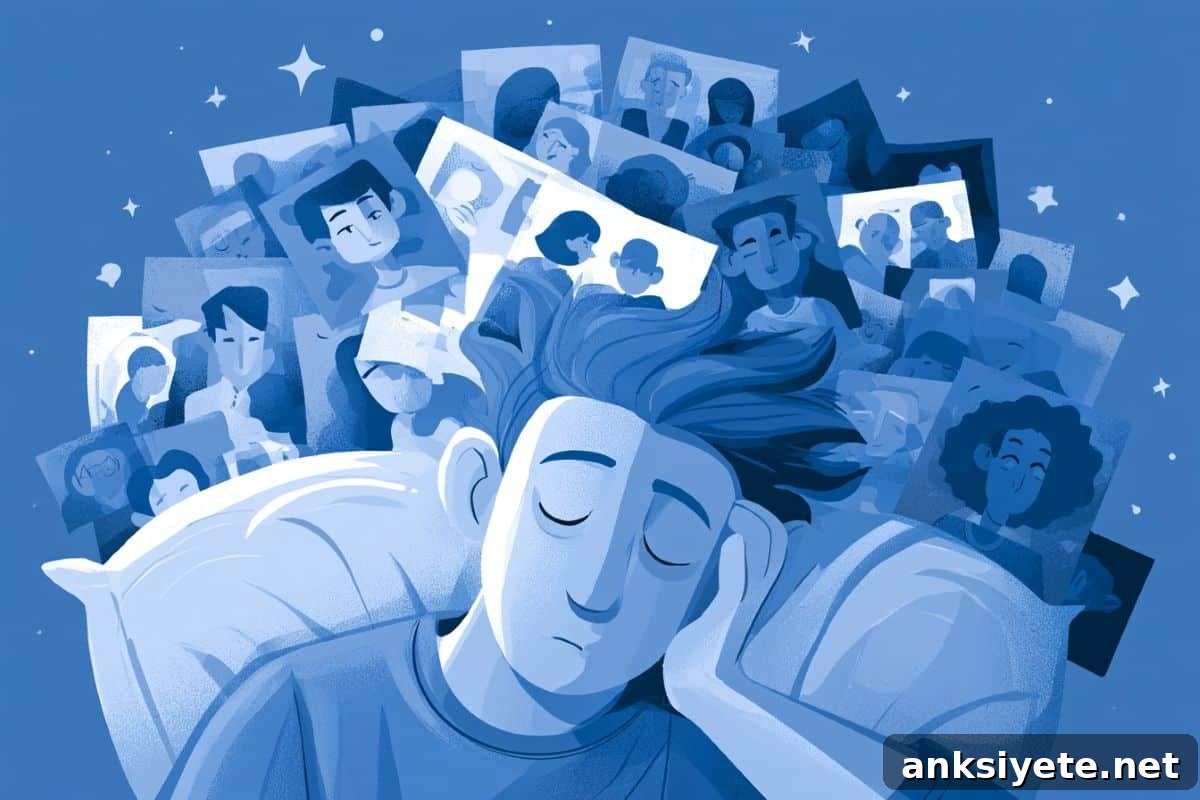
In the experiments, mice met several different peers in the same environment. Normally, they later recognize those individuals. When mice were sleep deprived after the initial meetings, they failed to recognize the same peers at a later test. However, mice given roflumilast immediately before the re-encounter regained normal recognition, suggesting the drug restored access to memories that were otherwise blocked.
Previous work from this group showed a similar pattern with spatial memories: sleep loss caused an inability to recall locations in a maze, and roflumilast restored recall. Together, those findings point to a common mechanism by which sleep deprivation interferes with retrieval rather than storage.
Keeping experiences separate
The researchers strengthened their conclusions using optogenetics, a method that can selectively activate the exact neurons that encoded a memory. By tagging the dentate gyrus neuron ensembles active during the original social interactions, then later reactivating those ensembles with light, they were able to restore the mice’s social recognition despite prior sleep deprivation. That restored recall persisted for several days, supporting the view that memories remained encoded and intact.
”We already knew spatial memory was vulnerable to sleep loss and that the hippocampus is central to those deficits,” Havekes explains. ”What we learned here is that social memories relying on the same region are similarly affected. In daily life we often meet multiple people in the same place, so the brain must keep those overlapping experiences distinct. Sleep deprivation appears to disrupt the retrieval process that separates them.”
Shift workers
The next step is to pinpoint the exact molecular and circuit-level steps by which sleep loss blocks memory retrieval. If those mechanisms can be fully mapped, it may be possible to design targeted interventions that permanently restore access to individual memories and address other forms of amnesia.
Such interventions could have wide application: they may help people with retrograde memory problems, support those with neurodegenerative conditions like Alzheimer’s disease, and benefit groups who repeatedly lose sleep, including shift workers, healthcare providers, students, and parents of young children.
Key Questions Answered:
A: No. This study from the University of Groningen shows sleep deprivation does not erase daily experiences. The physical memory traces remain stored in the hippocampus; what’s disrupted is the brain’s ability to retrieve those traces the next day.
A: Roflumilast inhibits the PDE4 enzyme, which breaks down a key intracellular messenger involved in memory signaling. By preventing that breakdown, the drug boosts signaling in hippocampal cells and bypasses the retrieval block caused by sleep deprivation, restoring access to hidden memories.
A: Optogenetics uses light to control specifically targeted, genetically modified neurons. In this study, researchers flashed light on the exact ensemble of neurons that fired during the original encounter. The light-triggered activation immediately made the sleep-deprived mouse remember the peer, proving the memory trace was present but inaccessible until reactivated.
Editorial Notes:
- This article was edited by a Neuroscience News editor.
- The journal paper was reviewed in full.
- Additional context was added by staff.
About this sleep and memory research news
Author: Rene Fransen
Source: University of Groningen
Contact: Rene Fransen – University of Groningen
Image: The image is credited to Neuroscience News
Original Research: Open access. “Restoring access to long-term social recognition memories disrupted by sleep deprivation” by Adithya Sarma, Camilla Paraciani, Junfei Cao, Evgeniya Tyumeneva, Caterina Stacchiola, Elroy L. Meijer, Nienke de Vries, Soraya Smit, Fleur Meijer, Marit Bonne, Jean-Christophe Billeter, Peter Meerlo, and Robbert Havekes. DOI:10.1126/sciadv.adu9805
Abstract
Restoring access to long-term social recognition memories disrupted by sleep deprivation
Long-term social memories are essential for forming and maintaining relationships, and social amnesia can seriously disrupt daily life. Using a new behavioral paradigm to probe hippocampus-dependent social memory, this study shows that mice can distinguish multiple social experiences even when those encounters occur in the same setting across days.
Sleep deprivation immediately after socialization interferes with memory consolidation and leads to social amnesia. Treatment with the FDA‑approved PDE4 inhibitor roflumilast during sleep deprivation protects consolidation, while administration immediately before testing temporarily reverses social amnesia.
Optogenetic reactivation of dentate gyrus engram cells restores social memory access and enables selective retrieval of individual memories. Using two cFos-based engram-tagging strategies, the authors found that sleep deprivation selectively disrupts reactivation of experience-specific engrams without preventing engram formation or increasing overlap.
These findings indicate that impaired engram reactivation contributes to sleep deprivation–induced social amnesia and highlight the role of the hippocampal dentate gyrus in maintaining and distinguishing social experiences within a single context.