Protecting Mitochondria May Prevent Alzheimer’s
featured 45478

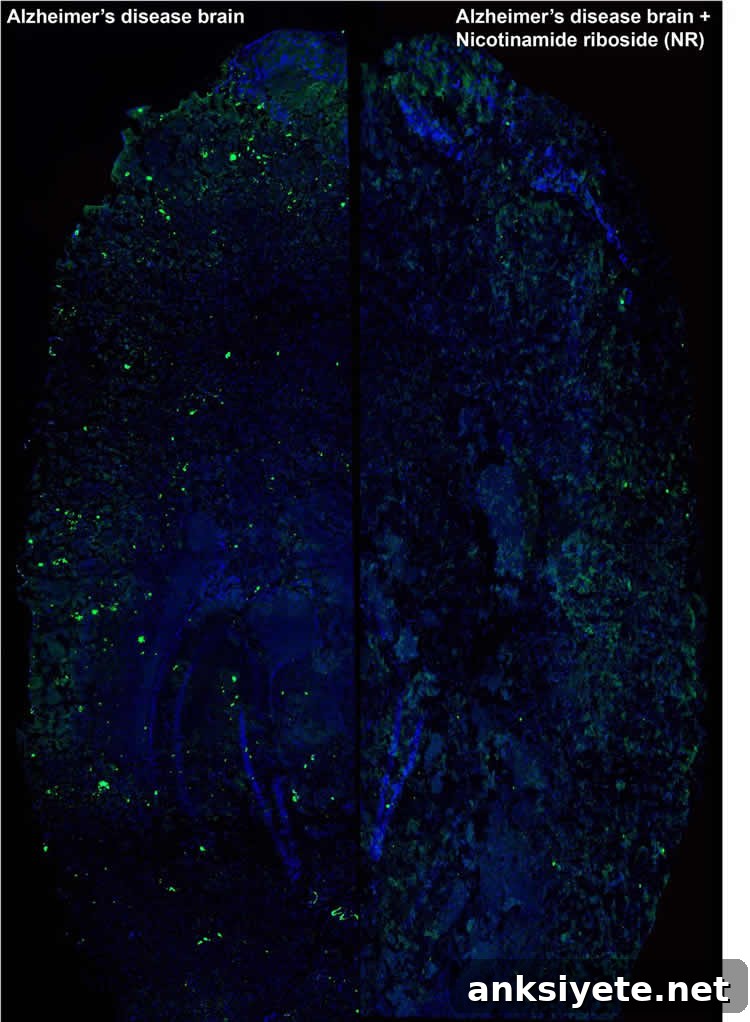
Summary: Enhancing mitochondrial quality control can protect against a form of protein stress and reduce amyloid plaque formation, according to EPFL researchers. Source: EPFL. Overview: Alzheimer’s disease, the leading cause of dementia and neurodegeneration worldwide, is characterized by the accumulation of toxic beta-amyloid plaques in the brain. These plaques form when the beta-amyloid protein aggregates … Read more

Scientists Use Optogenetics to Control Reward-Seeking

featured 5335

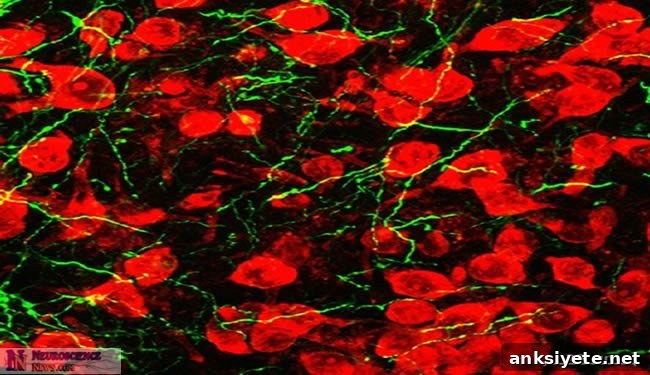
Therapeutics that target the neural pathway linking the amygdala and the nucleus accumbens may offer new treatment strategies for addiction and other neuropsychiatric disorders. Researchers at the University of North Carolina at Chapel Hill have used genetic tools and laser-based stimulation to alter specific brain circuits that control reward-seeking behavior. Working in rodent models, the … Read more

How Music Bridges Body and Emotion Across Cultures

featured 100285

Summary: A large cross-cultural study shows that music consistently shapes bodily sensations and emotions across different cultures. Researchers comparing Western and East Asian participants found that both the emotional character and structural features of music reliably evoke similar bodily sensations—most often felt in the chest, limbs, and head—regardless of listeners’ cultural background. Analyzing responses to … Read more

ADHD and Dementia: Intergenerational Risk Explained

featured 77275

Summary: People diagnosed with attention-deficit/hyperactivity disorder (ADHD) had a 34% higher risk of being diagnosed with dementia compared with those without ADHD. The risk of Alzheimer’s disease — the most common form of dementia — was 55% higher among relatives of people with ADHD. Source: Karolinska Institute A large, nationwide study from Karolinska Institutet in … Read more

Study Reveals Mechanism of Alzheimer’s Risk Gene

featured 33626

Summary: A newly identified biochemical interaction may explain how excess ApoE4 increases the risk of Alzheimer’s disease. Source: Salk Institute. Researchers at the Salk Institute have uncovered a biochemical connection between the Alzheimer’s risk gene variant apolipoprotein E4 (ApoE4) and the protein accumulations linked to the disease. Their results provide a testable mechanism for how … Read more

Depression Raises Heart Disease Risk in Young Adults

featured 90314

Summary: New research links depression and poor mental health with a higher risk of cardiovascular disease and suboptimal heart health in young adults. Source: Johns Hopkins Medicine Young adults who report feeling depressed or experiencing frequent poor mental health days face a greater likelihood of developing cardiovascular disease (CVD) and exhibiting poorer overall heart health, … Read more

Why Neurons Lose Plasticity as the Brain Ages

featured 115959

Summary: Every thought carries an energy cost. Neurons need an immediate burst of fuel to fire, and as we age the brain’s ability to manage that energy—its metabolic efficiency—can decline. A five-year, $3.3 million NIH-funded project will develop the first whole-brain theory describing how metabolic limitations contribute to cognitive decline and the early stages of … Read more

Most Long COVID Patients Report Lasting Neurological Symptoms

featured 83811

Summary: Six months after COVID-19 infection, two-thirds of study participants continued to experience neurological symptoms—most commonly memory problems, difficulty concentrating, headaches, and fatigue—that affected daily life and quality of life. Source: UC San Diego School of Medicine Researchers at the University of California San Diego School of Medicine are conducting a longitudinal study to track … Read more

What Is Consciousness? Exploring Mind and Awareness

featured 15400

Researchers Urge Expanded Scientific Study of Consciousness Why does a continuous stream of subjective experience normally fill your awareness? While that question can feel like an enduring mystery, researchers at Northwestern University argue that consciousness is well within the domain of scientific investigation. Although the field lacks a universally accepted objective index of consciousness, multiple … Read more

Improve Memory Instantly with a Single Glance

featured 61538

Summary: Targeted transcranial electrical stimulation during slow-wave sleep can enhance episodic metamemory by roughly 10–20% for individual episodes after a single viewing. Source: HRL Laboratories Overview Researchers at HRL Laboratories report that unique, non-invasive patterns of transcranial electrical stimulation (tES) delivered during slow-wave sleep can selectively strengthen memory for individual, naturalistic episodes. Using brief, one-time … Read more