Targeting Brain Hotspots and Networks for Autism and Aggression
featured 92028

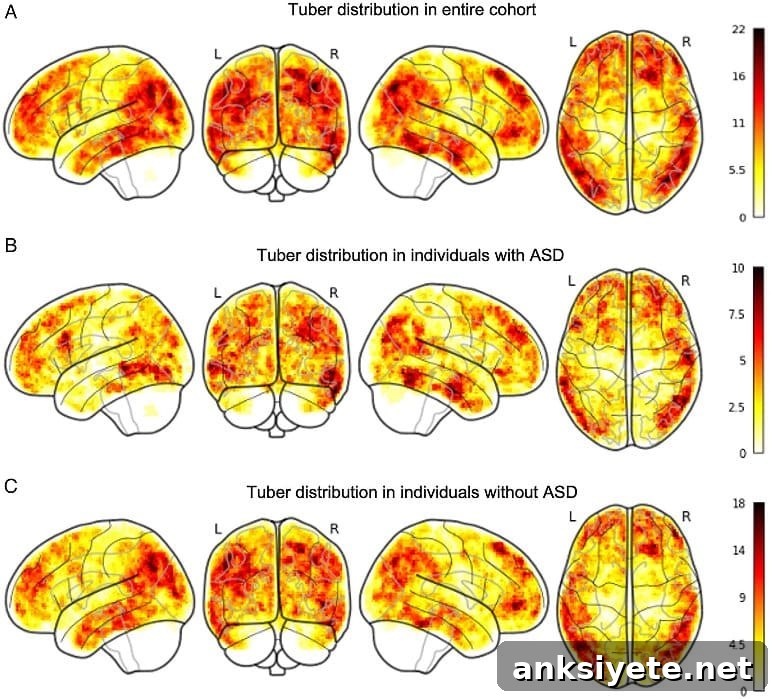
Summary: Researchers have pinpointed brain network hotspots tied to autism, aggression, and a range of social-behavioral difficulties. The study finds that people with autism spectrum disorder (ASD) who perform poorly on face-processing tests tend to have more severe autism symptoms, especially in social domains. The work also suggests that targeted, noninvasive brain stimulation such as … Read more

How One Gene Mutation Disrupts Immunity and Brain Development

featured 108721

Summary: Researchers have identified a surprising mechanism by which a single missense mutation in the BCL11B gene can produce two distinct clinical effects: severe immune dysfunction and impaired brain development. Rather than simply losing normal activity, the mutant BCL11B protein acts in a dominant-negative manner by binding to and disrupting related, otherwise healthy proteins such … Read more

Moderate Cannabis Use May Slow Cognitive Decline in Older Adults

featured 114673

Summary: New research reports a surprising association between lifetime cannabis use and markers of brain health in middle-aged and older adults. In an analysis of roughly 26,000 participants from the UK Biobank (participants approximately ages 40–77, mean age about 55), researchers observed that lifetime cannabis use was generally linked with larger regional brain volumes in … Read more

Teen Marijuana Use Linked to Adult Insomnia Later in Life

featured 63619

Summary: New research finds that individuals who begin regular cannabis use before age 18 are more likely to experience insomnia and short sleep duration in young adulthood. Source: University of Colorado Frequent cannabis use during adolescence is linked to higher rates of insomnia and shorter sleep in young adults, according to a new study of … Read more

Exercise Tied to Larger Brain Size and Lower Dementia Risk

featured 33299

Summary: A new analysis of data from the Framingham Heart Study indicates that regular physical activity is linked to larger brain volumes—particularly in the hippocampus—and a lower risk of developing dementia, with the strongest protective effect seen in adults aged 75 and older. Source: UCLA UCLA researchers used long-term Framingham Heart Study data to explore … Read more

Can Your Sense of Smell Predict Your Lifespan?

featured 23719

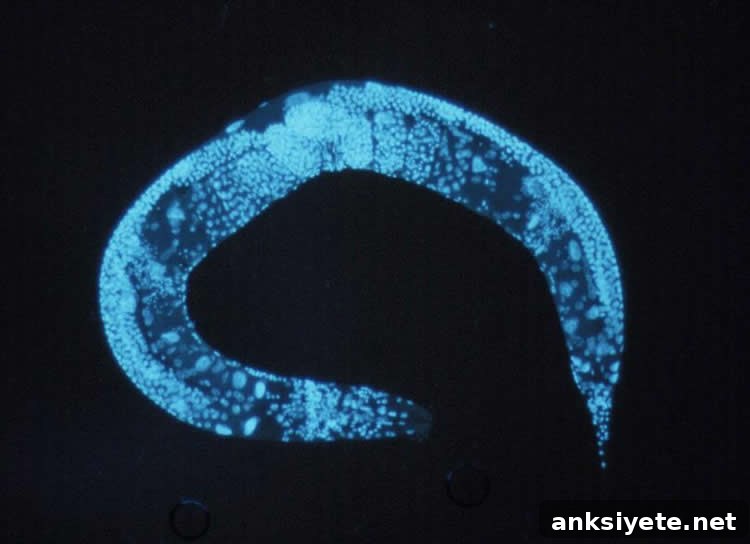
Researchers at the Salk Institute discovered that a simple smell-driven behavior in nematode worms can predict individual lifespan. By measuring how Caenorhabditis elegans move toward an appealing, food-like scent, the team linked patterns of neural activity to later longevity. This finding, published September 22, 2015 in the journal eLife, sheds light on how sensory information … Read more

Remdesivir Inhibits SARS-CoV-2 Enzyme Driving COVID-19

featured 64191

Summary: Remdesivir, originally developed to treat Ebola and now rapidly entering clinical trials for COVID-19, effectively blocks the coronavirus replication machinery. The drug masquerades as a viral building block, becomes repeatedly incorporated by the viral polymerase, and ultimately halts replication of SARS-CoV-2. Source: University of Alberta Researchers at the University of Alberta report that remdesivir … Read more

How Spontaneous Neural Activity Shapes Neuron Development

featured 19296

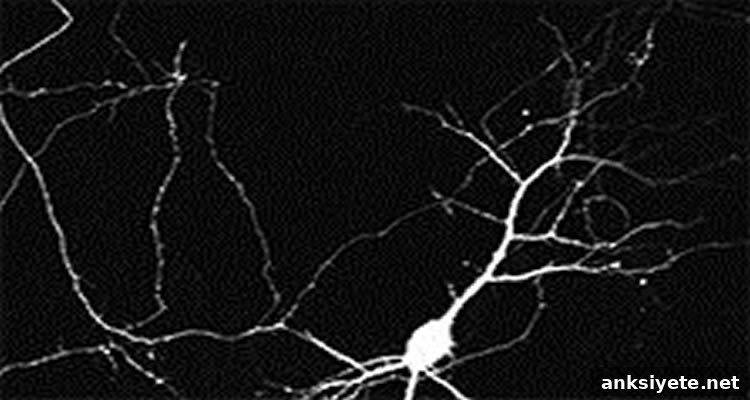
Researchers at the MRC Centre for Developmental Neurobiology (CDN) within the Institute of Psychiatry, Psychology & Neuroscience (IoPPN) report that a brain signal once dismissed as background noise actively shapes how neurons grow and form connections during development. Their findings were published in Cell Reports. Neurons release neurotransmitters both in response to activity and spontaneously, … Read more

Genetic Variants Raise Soldiers’ PTSD Risk

featured 30755

Largest genome-wide association studies of PTSD to date identify two gene markers linked to military personnel who develop mental disorder. In an extensive genetic analysis of more than 13,000 U.S. Army soldiers, researchers have identified two genetic variants that show genome-wide significant associations with lifetime post-traumatic stress disorder (PTSD). These findings, from the Army Study … Read more

Human Study Shows Direct Brain-to-Brain Communication

featured 15985

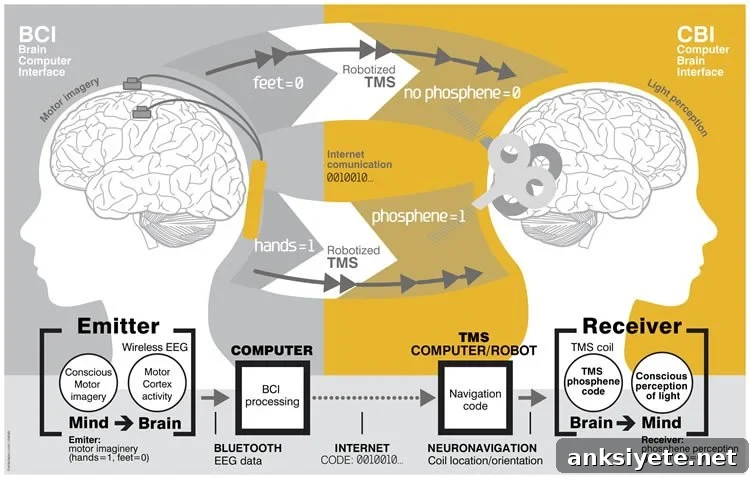
Advanced neurotechnologies—wireless EEG and robotized TMS—enable the first successful human brain-to-brain transmission An international team of neuroscientists and robotics engineers has demonstrated the feasibility of direct brain-to-brain communication between two people. Published in PLOS ONE, the study reports the successful transmission of simple messages over the internet between intact scalps of human subjects located thousands … Read more