Autistic People Want to Socialize: They Show It Differently

featured 50110

Summary: New research challenges the long-standing assumption that autistic people lack interest in social connection. The authors argue that many behaviors interpreted as social disinterest may have different causes, and they call for more respectful, evidence-based approaches to support and intervention. Source: University of Virginia A new paper led by the University of Virginia and … Read more


Eating More Calories in the Morning Cuts Hunger, Not Weight Loss

featured 86155

Summary: Eating your largest meal at breakfast may reduce hunger later in the day, aiding adherence to a calorie-restricted diet, but it does not change how the body expends energy compared with eating the largest meal in the evening. Source: Cell Press The long-standing adage to “breakfast like a king, lunch like a prince, and … Read more

Horse Snorts: Signs of Positive Emotions

featured 50396

Summary: New research shows that horses produce snorts more frequently in positive situations, suggesting that snorts can serve as reliable indicators of positive emotional states and could be useful for improving horse welfare. Source: PLOS ONE. New research published July 11 in the open-access journal PLOS ONE, led by Mathilde Stomp of the Université de … Read more

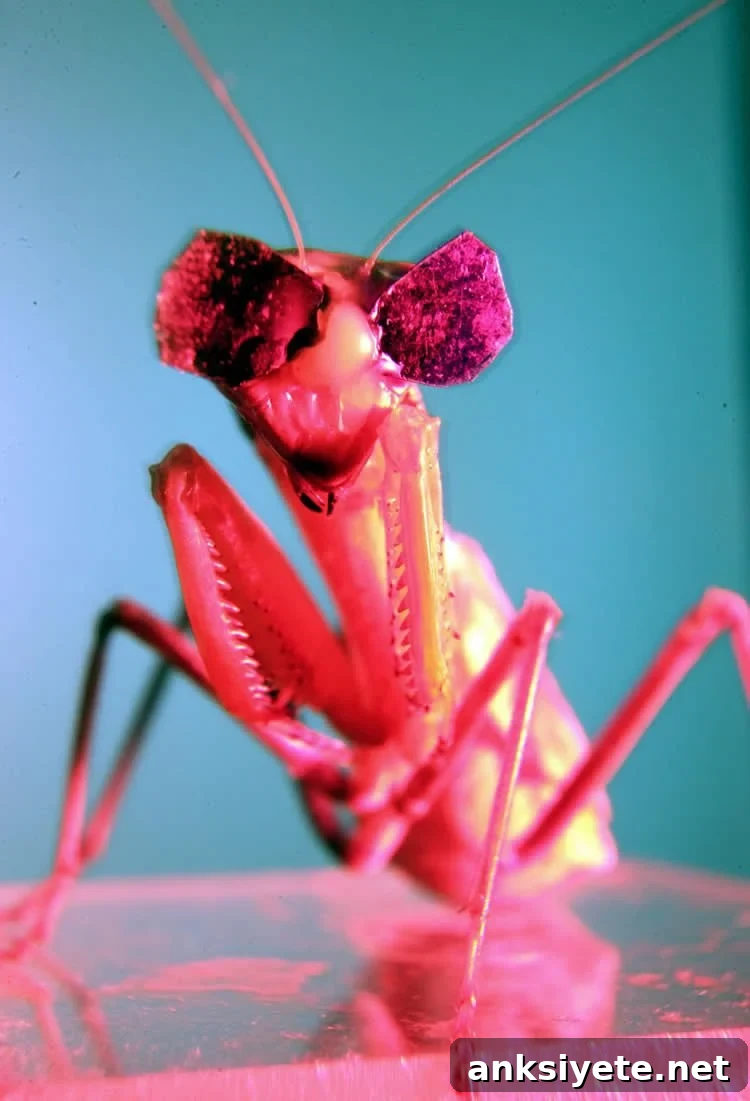
Tiny 3D Glasses Confirm Insect Depth Perception

featured 26795

Miniature glasses prove mantises use 3D vision, offering a new model to improve robotic visual perception. Most of what we know about stereoscopic (3D) vision comes from studies of vertebrates. Today, researchers at Newcastle University publish new evidence in Scientific Reports showing that the praying mantis — an invertebrate — reliably uses stereopsis to judge … Read more

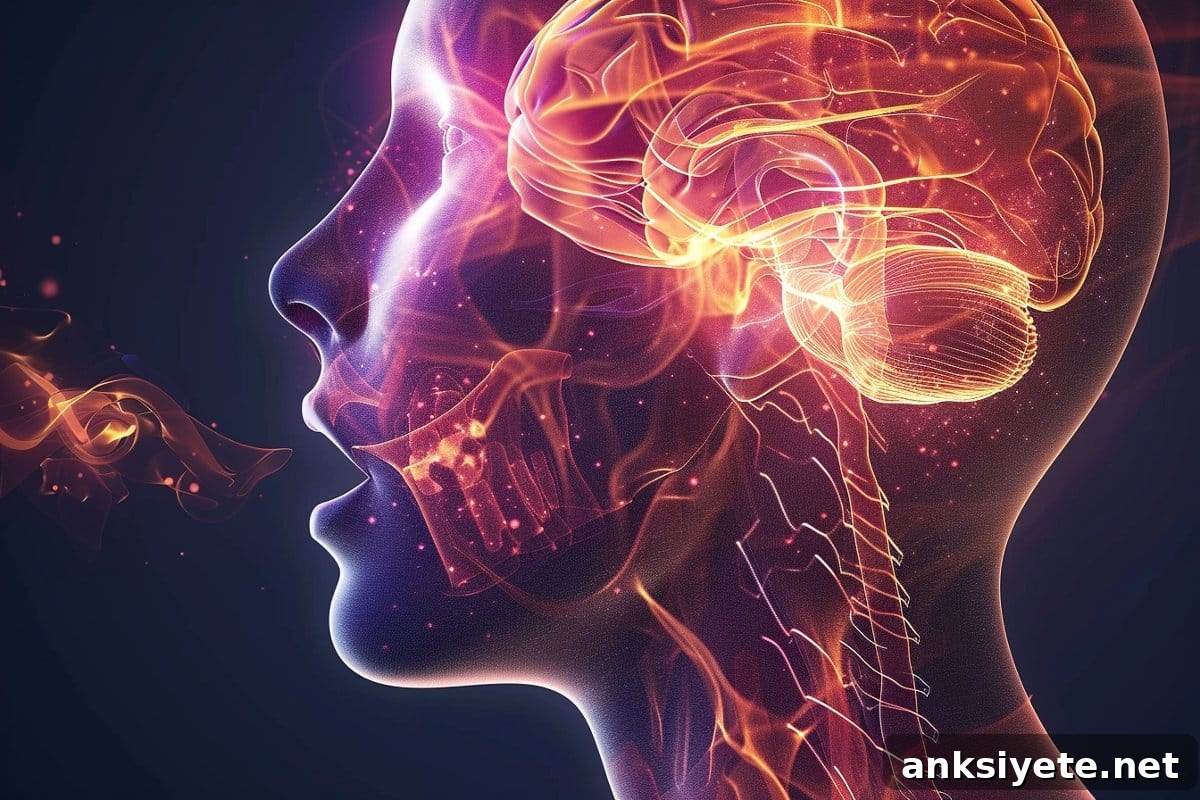
How a Neural Circuit Coordinates Speech and Breathing

featured 100513

Summary: MIT researchers have identified a brain circuit that coordinates vocalization with breathing, ensuring that vocal sounds are produced primarily during exhalation. The circuit controls both the narrowing of the larynx and the forceful exhalation needed for sound, and it is directly regulated by a brainstem rhythm generator that inhibits vocal output during inhalation. Using … Read more

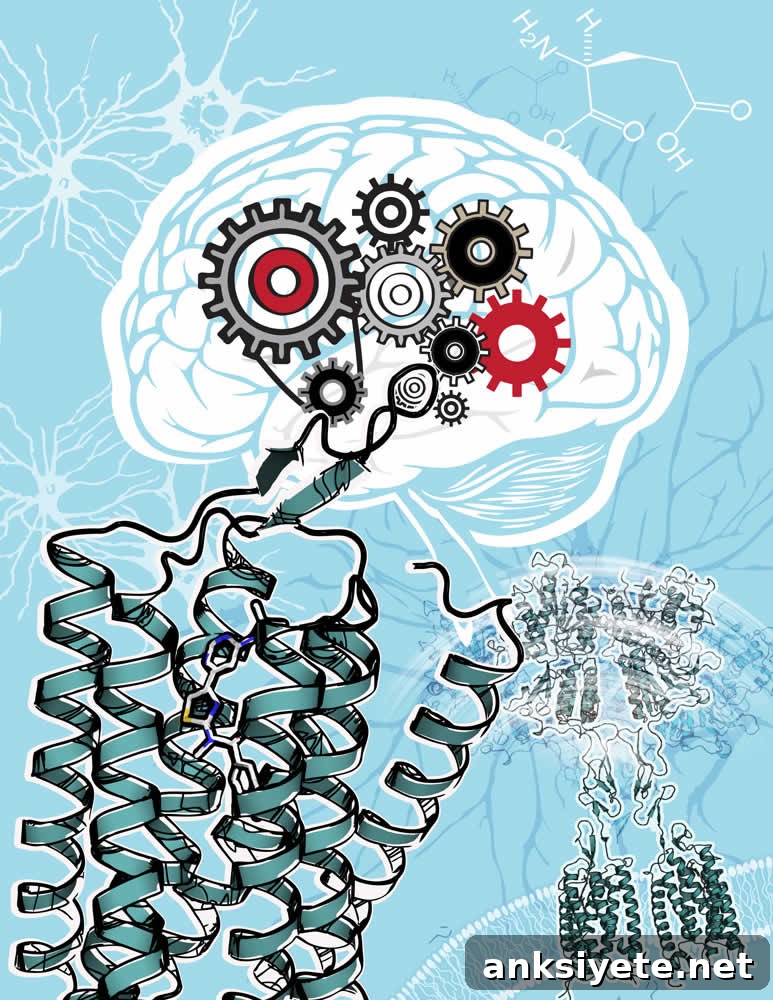
Detailed Structure of Membrane Protein Linked to Brain Disorders

featured 13722

Researchers at The Scripps Research Institute and Vanderbilt University have produced the most detailed three-dimensional image to date of a membrane protein linked to learning, memory, anxiety, pain and a range of neurological disorders including schizophrenia, Parkinson’s, Alzheimer’s and autism. “This receptor family is an exciting new target for future medicines to treat brain disorders,” … Read more

Brain Signal Analysis Reveals Distinct Depression Types

featured 91972

Summary: A new EEG-based method distinguishes anxious from non-anxious depression with approximately 91% accuracy when brain activity is recorded with the eyes closed. Source: University of Surrey Researchers at the University of Surrey have developed a brain-signal processing approach that can reliably differentiate anxious depression from non-anxious depression using short resting-state EEG recordings. In the … Read more

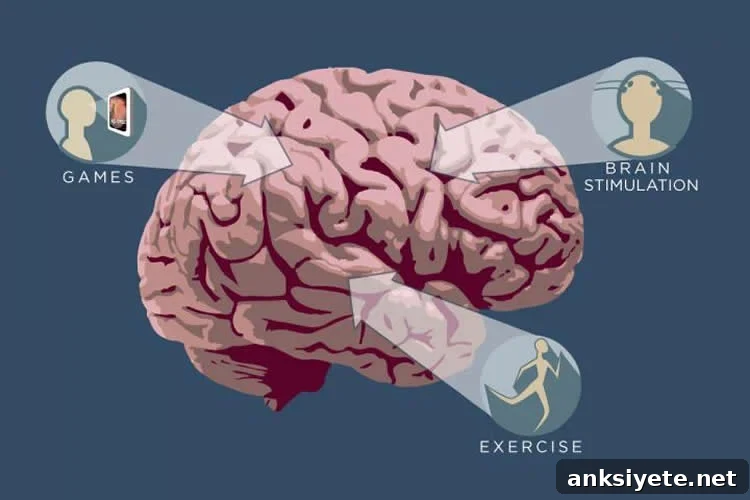
Cognitive Cross-Training Boosts Learning Outcomes

featured 42366

Summary: Researchers report that combining computer-based cognitive training with physical exercise and mild noninvasive brain stimulation produced greater gains in specific skill learning than cognitive training alone. Source: University of Illinois. Multimodal cognitive cross-training—combining computer exercises, aerobic fitness, and scalp-delivered brain stimulation—boosted skill learning in a large controlled trial, researchers report. An 18-week randomized study … Read more

How Honeybee Memories Offer New Clues to Alzheimer’s

featured 37077

Summary: Blocking DNA methylation alters how honeybees form and refine long-term memories, a new study reports. Source: Frontiers Researchers identify a molecular mechanism that shapes memory specificity over time and suggest that studying honeybee memory could inform approaches to degenerative brain disorders. Memory dysfunction in humans contributes to conditions such as Alzheimer’s disease and other … Read more

Rhythms of the Night: Late-Night Dance Playlist

featured 48318

Summary: New findings show that melatonin suppression and circadian phase shifts can operate independently in response to night-time light exposure. Source: The Psychological Society Researchers publishing in The Journal of Physiology report new evidence about how night-time light affects the body’s internal clock. The results improve understanding of light’s impact on sleep and have implications … Read more