Retina Reorganizes After Cell Death to Restore Function
featured 57831

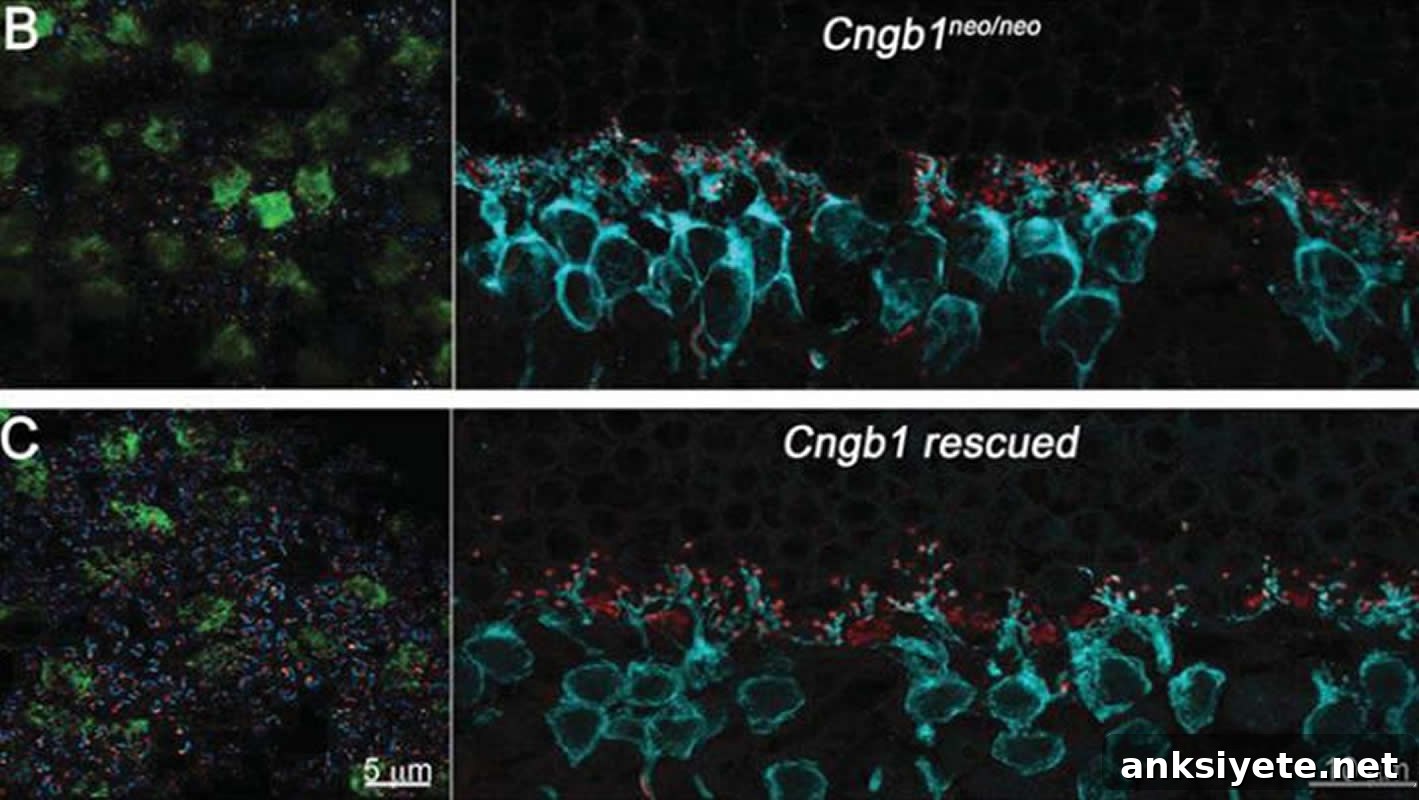
Summary: Gene therapy can restore retinal structure and recover normal light responses in a model of retinal degeneration. Source: SfN Researchers report that after gene therapy the retina can reorganize itself and recover normal light-evoked signaling. Published work in the Journal of Neuroscience shows that rescued rod photoreceptors regain both normal physiology and connections to … Read more
Stem Cell Breakthrough for Rare Genetic Nerve Disease

featured 9601

UCLA Researchers Use Patient-Derived iPS Cells to Model Ataxia Telangiectasia and Identify Promising Drug Candidates Researchers led by Dr. Peiyee Lee and Dr. Richard Gatti at the Eli and Edythe Broad Center of Regenerative Medicine and Stem Cell Research at UCLA have advanced disease-in-a-dish modeling for the rare genetic disorder ataxia telangiectasia (A-T) using induced … Read more

New Biomarker Linked to Chronic Brain Disease

featured 33714

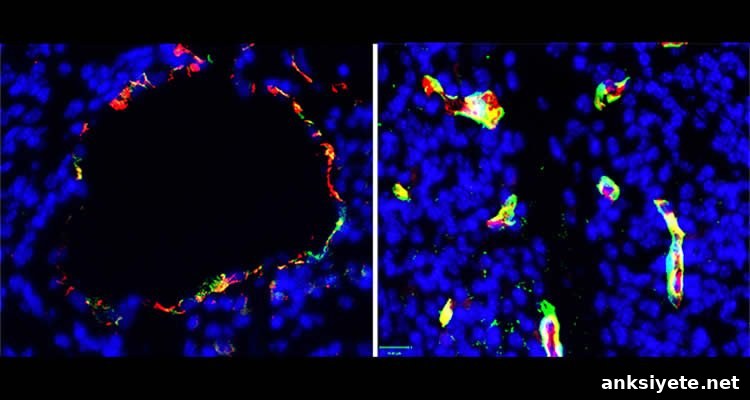
Summary: Researchers have identified a specific molecular marker that drives a chronic, underrecognized vascular condition in the brain and have shown a potential route for therapy in animal models. Source: Yale Researchers led by Yale pathology professor Wang Min have identified a key marker that contributes to cerebral cavernous malformations, a chronic vascular disorder of … Read more

Feeding Ants Dopamine May Improve Foraging Efficiency

featured 51576

Summary: A new study indicates that dopamine influences foraging behavior in red harvester ants. Ants treated with dopamine made more foraging trips and showed increased sensitivity to humidity. Source: Cell Press Dopamine affects ant foraging behavior and humidity sensitivity Collecting food is one of the most critical tasks in an ant colony, yet desert conditions … Read more

Brain Protein Bonds Reveal New Drug Targets for Schizophrenia

featured 97848

Summary: Researchers have identified a direct interaction between two brain proteins—MAP6 and Kv3.1—that is essential for normal movement, anxiety regulation, and memory in mice. Disrupting this interaction produces hyperactivity, diminished risk avoidance, and memory impairments—features that overlap with some symptoms observed in schizophrenia. The team reports that MAP6 and Kv3.1 physically bind under normal conditions … Read more

Dim Light Can Impair Your Cognitive Performance

featured 46550

Summary: New research finds that prolonged exposure to dim light can impair memory and learning. In a controlled study, diurnal rodents exposed to low light lost roughly 30% of hippocampal structural markers and showed worse performance on previously learned spatial tasks. Source: Michigan State University. Living and working for long periods in dim indoor light … Read more

Study Finds Copper and Iron in Deceased Alzheimer’s Brains

featured 74723

Summary: Researchers discovered tiny deposits of elemental copper and iron inside the brains of two people who had Alzheimer’s disease. These metal particles appeared at the cores of amyloid plaques, and the observations may provide new insight into how elemental forms of metals participate in the disease process and suggest new directions for therapy and … Read more

How Working Memory Boosts English Learners’ Writing

featured 97650

Summary: Researchers investigated the cognitive processes that support how English learners produce written text in their second language. Testing nearly 500 elementary students, the study found that working memory capacity had a central influence on these young bilingual writers’ English writing performance. Although students’ skills improved across grades, working memory repeatedly emerged as the strongest … Read more

New Study Links Hundreds of Genes to Tobacco and Alcohol Use

featured 53598

Summary: Researchers have identified more than 500 genetic variants that influence tobacco and alcohol use, including aspects related to addiction and consumption patterns. Source: University of Minnesota. Tobacco and alcohol use are heritable behaviors that contribute substantially to mortality and raise the risk for many complex diseases and disorders. The University of Minnesota participated in … Read more

How the Noradrenaline System Shapes Attention and Arousal

featured 97725

Summary: An international research team has advanced understanding of the brain’s noradrenaline (NA) system and developed a new method to record rapid chemical signals from the living human brain. Their approach, adapted to standard clinical depth electrodes used in epilepsy monitoring, reveals how NA in the amygdala tracks emotional intensity and attention—findings relevant to conditions … Read more