
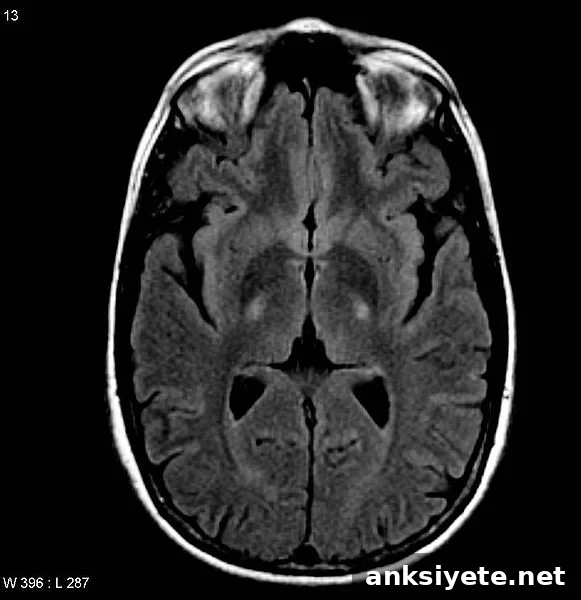
Stem cell–based approach manipulates brain cells in laboratory studies
Researchers at Johns Hopkins have developed experimental compounds that, in laboratory studies using human cells, appear to block the cellular damage caused by a specific genetic mutation linked to some cases of amyotrophic lateral sclerosis (ALS) and frontotemporal dementia. The work uses neurons derived from induced pluripotent stem cells (iPS cells) made from skin samples of patients who carry the mutation in the C9ORF72 gene.
“Treating neurodegenerative diseases has one of the highest clinical failure rates across medicine,” says Jeffrey D. Rothstein, M.D., Ph.D., professor of neurology and neuroscience at Johns Hopkins University School of Medicine and senior author of the study published in Neuron. “With iPS technology, we can focus on a precise subset of patients who share a defined genetic lesion. That makes individualized brain therapy feasible in ways similar to targeted approaches in oncology.”
Scientists discovered in 2011 that a large fraction of inherited ALS cases (more than 40 percent) and a notable portion of sporadic ALS cases (at least 10 percent) carry a hexanucleotide repeat expansion in the C9ORF72 gene. That same expansion is also common in people with frontotemporal dementia, which helps explain why some individuals develop overlapping features of ALS and dementia, and why members of the same family may present with different clinical syndromes.
In people without the mutation, the C9ORF72 region contains up to about 30 repeats of the six‑base sequence GGGGCC. In affected individuals the repeat tract can expand to hundreds or even thousands of copies. Rothstein and colleagues screened a large collection of patient-derived iPS cell lines to identify neurons that carried this repeat expansion, then studied how the repeats cause neuronal dysfunction and death.
The team found that in neurons with the C9ORF72 expansion, the normal flow from DNA to RNA to protein is disrupted. RNA-binding proteins that normally assist in RNA processing become trapped by RNA transcribed from the expanded GGGGCC repeats. Those repeat RNAs aggregate and act like molecular “flypaper,” sequestering essential RNA-binding proteins such as ADARB2 and disrupting the production and regulation of many other RNAs. The result is widespread dysregulation of cellular RNAs and heightened vulnerability of the neurons to cellular stressors.
To address this mechanism, the researchers designed small chemical compounds that bind specifically to the GGGGCC repeat RNAs. These compounds act as a molecular coating that prevents the repeat RNAs from capturing critical RNA-binding proteins, thereby restoring RNA processing and helping the cells tolerate stress. Many of the compounds were developed in collaboration with Isis Pharmaceuticals, and the teams are planning next steps toward clinical testing in patients with the C9ORF72 mutation.
Rita Sattler, Ph.D., assistant professor of neurology and co-investigator on the study, notes that iPS cell modeling made these experiments possible. Creating animal models that reproduce thousands of repeats is technically challenging, but patient-derived iPS cells provide a human cell platform that faithfully reproduces the molecular defects and can be used for rapid therapeutic testing.
The results in iPS-derived neurons were reinforced by analysis of postmortem brain tissue from people who carried the C9ORF72 expansion and died of ALS. The same RNA aggregates and the same downstream RNA expression changes observed in the cell models were present in affected brain tissue, supporting the relevance of the iPS model to the human disease.
Going forward, the researchers plan to examine cerebrospinal fluid from patients with the C9ORF72 expansion to identify protein markers that correlate with the molecular changes seen in iPS cells. Such biomarkers could be used in clinical trials to monitor whether a therapeutic compound is engaging the disease mechanism and producing the intended molecular response.
ALS, also called Lou Gehrig’s disease, kills motor neurons in the brain and spinal cord that control voluntary movement. As motor neurons degenerate, muscles weaken, twitch and eventually lose function. Typical onset occurs around age 50, and many patients live only three to five years after diagnosis. About 10 percent of cases are hereditary. There is currently no cure and only a single FDA‑approved drug that modestly slows disease progression.
Research support and disclosures
The study was funded by multiple grants and organizations, including the National Institute of Neurological Disorders and Stroke (NIH), P2ALS, the Muscular Dystrophy Association, the Judith & Jean Pape Adams Charitable Foundation, the ALS Association, the Johns Hopkins Brain Science Institute, the Michael S. and Karen G. Ansari ALS Center for Cell Therapy and Regeneration Research at Johns Hopkins, the Alzheimer’s Drug Discovery Foundation, the Association for Frontotemporal Degeneration, the Finnish Academy, Sigrid Jusélius Foundation, Helsinki University Central Hospital, the Robert Packard Center for ALS Research at Johns Hopkins, and the Maryland Stem Cell Research Fund.
Additional Johns Hopkins researchers on the project include Christopher J. Donnelly, Ph.D.; Pingwu Zhang, Ph.D.; Jacqueline T. Pham, M.S.; Aaron R. Heusler, Ph.D.; Nipun A. Mistry; Svetlana Vidensky, M.S.; Elizabeth L. Daley; Erin M. Poth; Benjamin Hoover; Daniel M. Fines; Nicholas Maragakis, M.D., Ph.D.; Bryan J. Traynor, M.D.; Jiou Wang, Ph.D.; and Seth Blackshaw, Ph.D.
Rothstein, Sattler and Donnelly have patents pending on antisense therapeutics and associated genetic biomarkers described in the study. Bryan J. Traynor has patents pending related to diagnostic and therapeutic uses of the C9ORF72 hexanucleotide repeat expansion.
Contact: Stephanie Desmon — Johns Hopkins Medicine
Source: Johns Hopkins Medicine press release
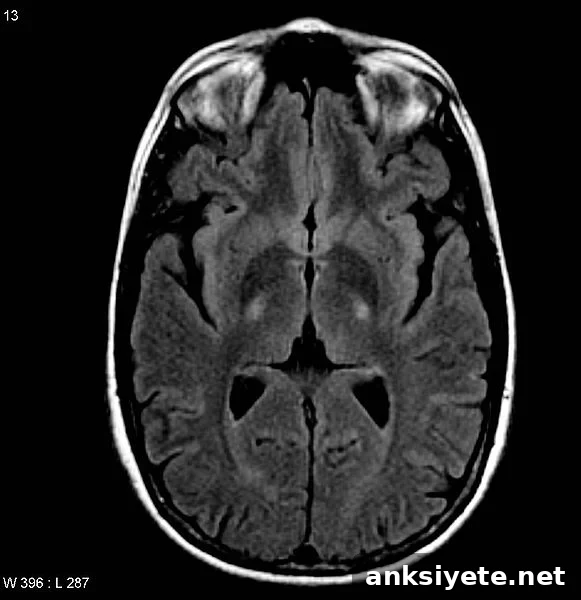
Image credit: Frank Gaillard, licensed under Creative Commons Attribution-Share Alike 3.0 Unported
Original research: Donnelly C.J., Zhang P.-W., Pham J.T., et al., “RNA Toxicity from the ALS/FTD C9ORF72 Expansion Is Mitigated by Antisense Intervention,” Neuron, published online October 16, 2013, doi:10.1016/j.neuron.2013.10.015.