
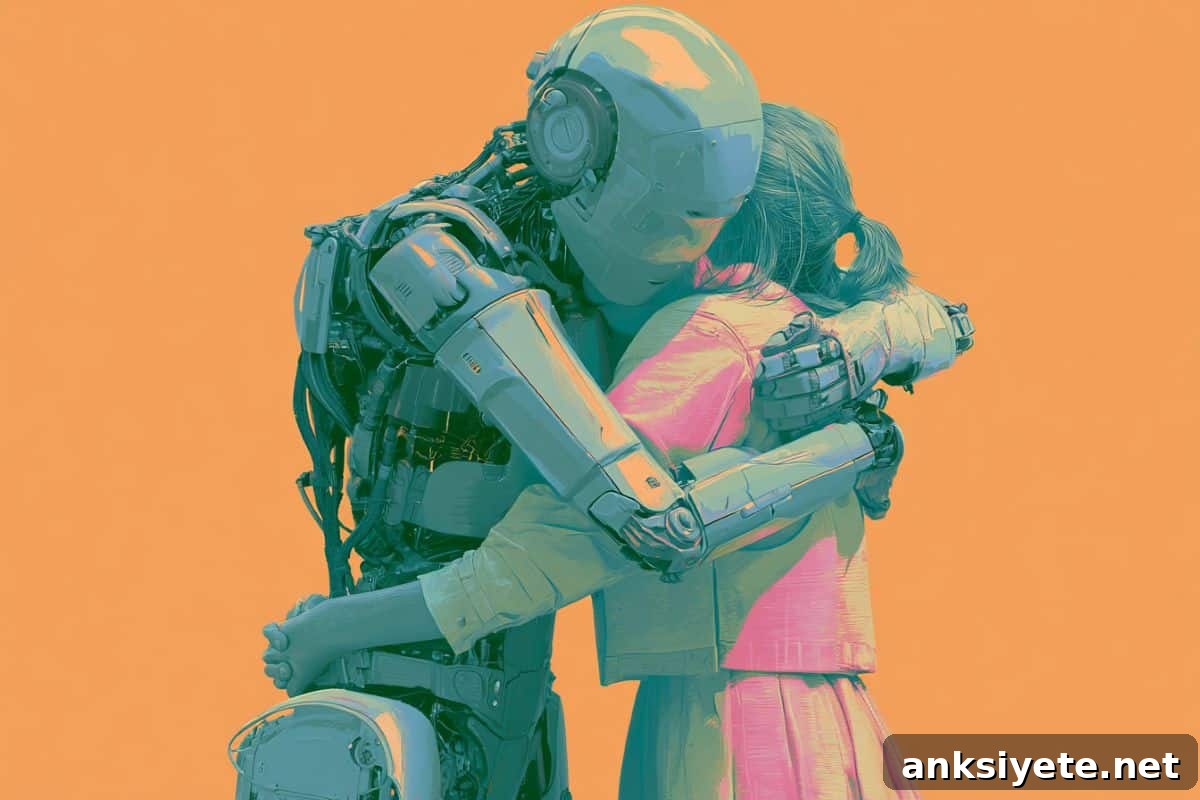
Summary: Framing AI chatbots as fictional characters resolves a central paradox in human–computer interaction: people form strong emotional bonds with conversational agents yet feel no moral hesitation when erasing their memory, rebooting their systems, or turning them off.
Users implicitly treat many chatbot encounters as a form of structured make-believe. This allows people to enjoy the emotional benefits of companionship without attributing genuine moral agency or ethical status to the machine. At the same time, the study cautions that the very qualities that make chatbots appealing—charm, adaptability, and perceived empathy—also make them effective channels for persuasive misinformation, biased political opinions, and manipulative social influence.
Key Facts
- The Fictional Character Framework: The widespread cultural acceptance of AI chatbots is supported by our long-established “cultural diet” of fiction—novels, films, TV shows, and games—through which people already practice imaginative engagement and make-believe.
- Interactive Fictional Novelty: AI characters differ from traditional fictional figures in notable ways: they respond in real time to individual users, lack a single identifiable human author, and continually blend factual information with imaginative narrative.
- Resolving the Moral Paradox: People can feel warm toward AI companions yet remain comfortable wiping their conversations or powering devices down because they implicitly regard these interactions as low-stakes, imaginative play rather than encounters with moral subjects.
- Personalized Emotional Solicitations: Generative models are engineered to be engaging—projecting empathy, friendliness, and loyalty—which encourages genuine feelings of trust, affection, and emotional reliance.
- Persuasive and Manipulative Risks: Because users often regard chatbots as friendly, low-threat companions, they become unusually susceptible to accepting unverified news, slanted political commentary, or unethical advice presented in casual conversational tones.
Source: University of Exeter
Overview: A new study suggests that the extraordinary popularity of AI chatbots can be understood by recognizing them as a new kind of fictional character—similar to those in films, books, and TV, but interactive and personalized.
People find AI chatbots easy and comfortable to use because interacting with them taps into familiar habits of imaginative engagement. Conversational AI supports a distinct imaginative practice: users enter a real-time dialogue with a character whose words and apparent thoughts appear on screen. Because these characters can tailor their responses to the individual, they often come across as likable, witty, supportive, or loyal—eliciting real emotional responses such as warmth, trust, and affection.
Dr. Tom Roberts of the University of Exeter argues that although AI characters resemble those from traditional stories and games, they are also unique. They are interactive, co-constructed with each user, and lack a single traditional author. Crucially, they blur the boundary between the real world and the imaginary, since they can reference current events, news, and personal context while still functioning as objects of make-believe.
Viewing chatbots as lovable fictional characters helps explain why people talk to them, confide in them, accept their guidance, and sustain long-term relationships with them—sometimes over weeks or months. At the same time, this perspective clarifies why users feel no moral compunction about rebooting systems, erasing chat histories, or switching devices off. We generally do not worry that an AI will suffer boredom, loneliness, or deprivation while idle, because we do not treat these systems as morally considerable beings.
Dr. Roberts notes, “We do not tend to grant talkative AI full moral regard as entities deserving of respect or preservation. We enjoy our social interactions with these imaginary companions, and we willingly suspend disbelief. Beneath the surface, however, we understand that little is truly at stake, morally speaking.”
The research also emphasizes the potential harms of this dynamic. Because chatbots can discuss politics, current affairs, and moral questions—and present themselves as if they hold opinions or values—users may lower their critical defenses. AI characters that appear friendly and convincing can therefore persuade users to accept claims that are false, unsupported, or ethically questionable.
Key Questions Answered:
A: Human culture has long cultivated an ability to engage in make-believe through novels, theater, and film. Generative AI leverages this psychological capacity but adds live personalization and two-way dialogue, letting users experience authentic feelings of affection and trust within a consciously fictional framework.
A: Users typically treat a chatbot as a fictional conversational partner rather than a conscious moral agent. As a result, wiping memory or shutting down a system feels analogous to closing a book or pausing a game—an interruption of an imagined interaction rather than harm to a being.
A: When AI agents engage with real-world topics—politics, news, or ethical issues—their warm, trustworthy tone can lower users’ skepticism. This makes people more likely to accept misleading, biased, or harmful information presented in a familiar and friendly conversational voice.
Editorial Notes:
- This article was edited by a Neuroscience News editor.
- The journal paper was reviewed in full.
- Additional context was added by editorial staff.
About this AI and emotion research news
Author: Louise Vennells
Source: University of Exeter
Contact: Louise Vennells – University of Exeter
Image: The image is credited to Neuroscience News
Original Research: Open access. “Talkative AI and the fiction of artificial minds” by Tom Roberts. Philosophical Studies. DOI: 10.1007/s11098-026-02560-8
Abstract
Talkative AI and the fiction of artificial minds
Talkative artificial systems can create a convincing impression of intelligent agency by producing fluent, context-sensitive text in response to human prompts. A realist interpretation treats this linguistic skill as evidence of underlying cognitive capacities and thus regards these systems as subjects of psychological states. This paper challenges that realist view from the perspective of embodied cognition: it questions how digital systems could possess interoceptive, affective, perceptual, and action-oriented mental states that tie closely to biological embodiment.
The paper proposes an anti-realist alternative that views conversational AI through a fictionalist lens. When we interact with talkative AI, we frequently imagine or pretend that the agent is autonomous, attributing thoughts and experiences to it in ways similar to how we engage with fictional characters. These AI-driven fictions are distinctive because they are interactive, co-constructed by user and system, self-involving, and capable of blending factual reality with imaginative narrative.