Iterate to Resonate and Accelerate Growth
featured 67398

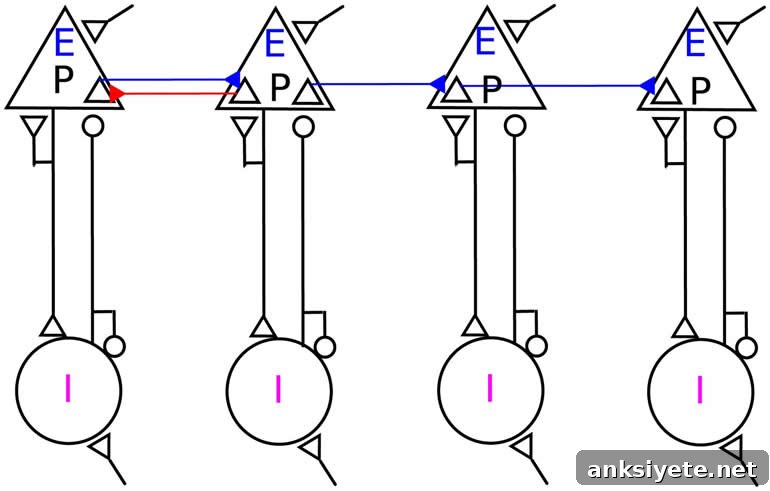
Summary: Researchers have identified a new role for bidirectional connections in accelerating communication between brain networks. Source: University of Freiburg Selective communication among different brain regions is essential for normal brain function, yet the brain’s inherently sparse and weak connectivity presents a major challenge. Over the past decade, neuroscientists have uncovered mechanisms that help overcome … Read more

How the Sandwich Generation’s Caregiving Affects Their Health

featured 107360

Summary: Sandwich carers—people simultaneously caring for dependent children and older relatives—experience substantial declines in mental and physical health over time. A longitudinal study following carers for up to nine years found that especially intensive caregiving (more than 20 hours per week) is linked with persistent mental health deterioration and measurable physical health decline. On average, … Read more

COVID-19 Memory Loss and Cognitive Decline Can Last a Year

featured 105100

Summary: In a carefully controlled human challenge study, healthy young adults who contracted COVID-19 showed small but measurable declines in memory and cognitive performance that persisted for up to a year. These changes were identified using sensitive computerized testing under clinical conditions. Importantly, all scores remained within expected normal ranges and none of the participants … Read more

New Risk Factors for Anxiety Disorders Revealed by Study

featured 39126

Summary: Researchers have identified a genetic pathway that may increase risk for anxiety and panic disorders. Source: University of Wurzburg. New genetic risk factors for anxiety and panic disorders Mental, social and hereditary influences contribute to anxiety disorders. A research team at Julius-Maximilians-Universität Würzburg (JMU) in Bavaria reports a previously unrecognized genetic pathway that appears … Read more

How Drug Ads Influence Psychiatric Medication Use

featured 34232

Summary: A new review examines how advertising prescription psychiatric medications directly to the public influences patient requests and physician prescribing behavior. Source: Brown University. Since U.S. rules were relaxed in 1997, direct-to-consumer advertising (DTCA) for prescription drugs has become common in American media. A recent systematic review from Brown University researchers evaluated what is known … Read more

Brain scans show reduced neural suppression in autism

featured 65589

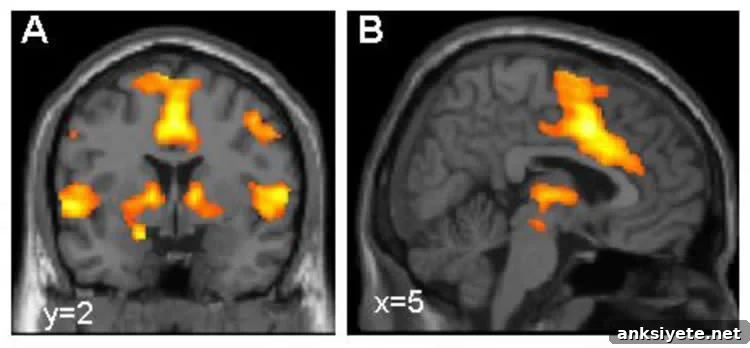
Summary: Abnormal sensory processing associated with autism spectrum disorder (ASD) is linked to reduced neural suppression in the visual cortex, which helps explain differences in visual motion perception. Source: University of Minnesota Overview: Many people with autism spectrum disorder (ASD) report heightened sensitivity to sensory input, including vision. A recent study led by researchers at … Read more

Pop-Up Electrode Device Enables 3D Brain Mapping

featured 90015

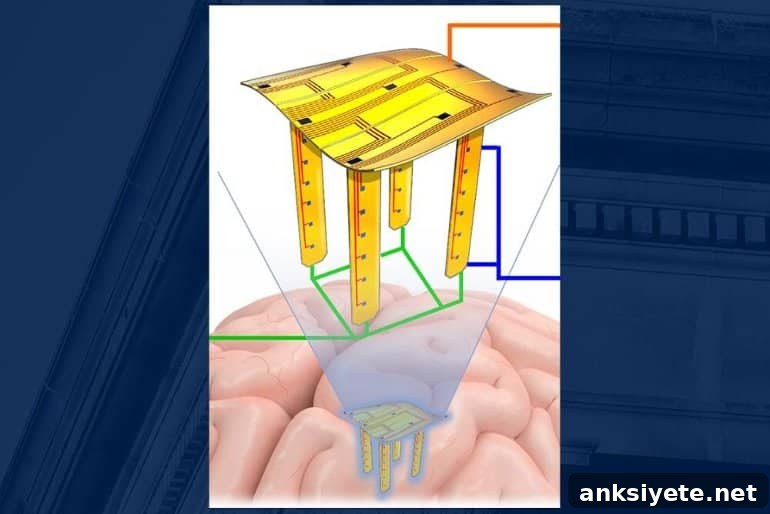
Summary: Researchers have developed a pop-up electrode device that can be deployed into three-dimensional form inside the brain to enable richer mapping of individual neurons and their connections while minimizing tissue damage. Source: Penn State Understanding how neurons connect and communicate across three dimensions is essential for studying aging, learning, neurological disease, and other brain … Read more

Surprising Way to Tame Dark Triad Personality Traits

featured 83292

Summary: Exercises aimed at increasing agreeableness were linked to reductions in Dark Triad traits. Yet people who scored high on those dark traits were less likely to want to reduce them, even though many expressed interest in becoming more agreeable. Source: Southern Methodist University Want to be less selfish, manipulative, or impulsive? A recent study … Read more

How Brain Mechanisms Shaped the Evolution of Anxiety

featured 85250

Summary: The VMAT1 gene underwent adaptive changes during human evolution. Individuals carrying the isoleucine (Ile) variant at position 136 of VMAT1 tend to show lower susceptibility to anxiety and depression. Source: Tohoku University Monoamine neurotransmitters such as serotonin and dopamine are central to cognitive and emotional processing. These signaling systems originated early in animal evolution, … Read more

Study: Psychotropic Drugs Cut Violent Reoffending Risk

featured 35511

Summary: A new study finds that prescribing psychotropic medications to violent offenders after release from prison is associated with a reduced risk of violent reoffending. Source: University of Oxford Psychotropic Medications Linked to Lower Rates of Violent Reoffending A large study led by the University of Oxford reports that prescribing psychotropic medications to people released … Read more