
Summary: A new study explains why people with sickle cell disease are especially vulnerable to “silent” strokes that damage white matter.
Source: CHOP
Sickle cell disease (SCD) is a serious inherited blood disorder that reduces the blood’s ability to carry oxygen. A mutation in hemoglobin causes red blood cells to assume a sickle or crescent shape, which can block small blood vessels, trigger severe pain episodes, and damage organs. Strokes are a major threat for people with SCD, and while modern care has reduced overt strokes, many patients still experience so-called silent strokes that damage brain white matter and impair cognitive function.
John C. Wood, MD, PhD, a physician-scientist at Children’s Hospital Los Angeles and Professor of Pediatrics at the Keck School of Medicine of USC, focuses on how anemia and altered hemoglobin in SCD affect cerebral blood flow and oxygen delivery. His team investigated why patients continue to suffer white matter silent strokes despite compensatory increases in overall cerebral blood flow.
At first glance, the reason for strokes in SCD appears straightforward: damaged red blood cells carry less oxygen, so the brain receives less oxygen and suffers injury. Dr. Wood and colleagues, however, found that total oxygen delivery to the brain is often preserved because the body increases cerebral blood flow to compensate for lower oxygen content. That raised an important question: if total oxygen delivery is not reduced, why do these patients still develop white matter damage?
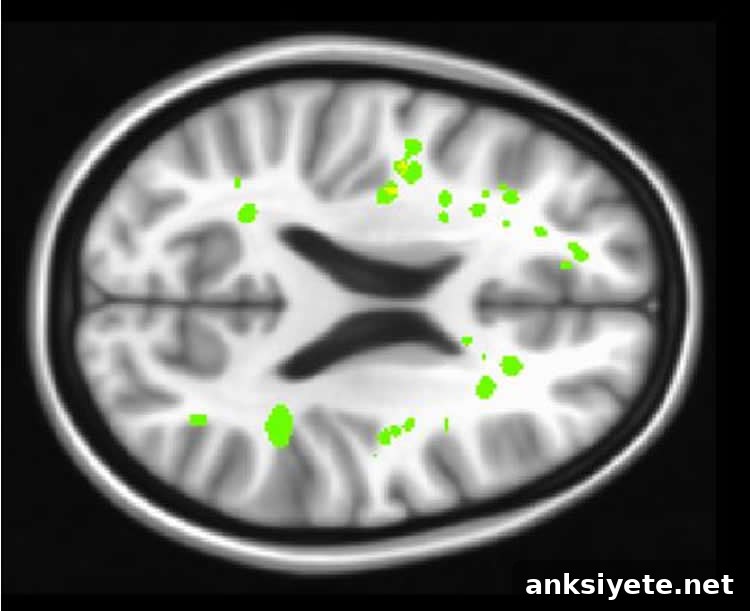
Using arterial spin labeling, a noninvasive magnetic resonance imaging technique that measures blood flow, the research group measured regional cerebral perfusion and estimated oxygen delivery separately for grey and white matter. Their results revealed a striking distribution problem: while whole-brain and grey matter oxygen delivery were maintained, oxygen delivery to the white matter was substantially reduced—by about 35%—in patients with SCD. This reduction in white matter oxygen delivery aligned with regions where silent cerebral infarcts most commonly appear.
Grey matter contains neuronal cell bodies responsible for processing information, while white matter consists of the axonal pathways that connect neural regions and support communication across the brain. The body’s compensatory response appears to prioritize preserving oxygenation of grey matter to protect neurons that are essential for immediate survival. Unfortunately, that preferential delivery leaves the white matter vulnerable. Damage to white matter may not produce immediate, visible deficits such as paralysis, but it can slow information processing and produce lasting declines in executive functions needed for daily tasks, learning, and employment.
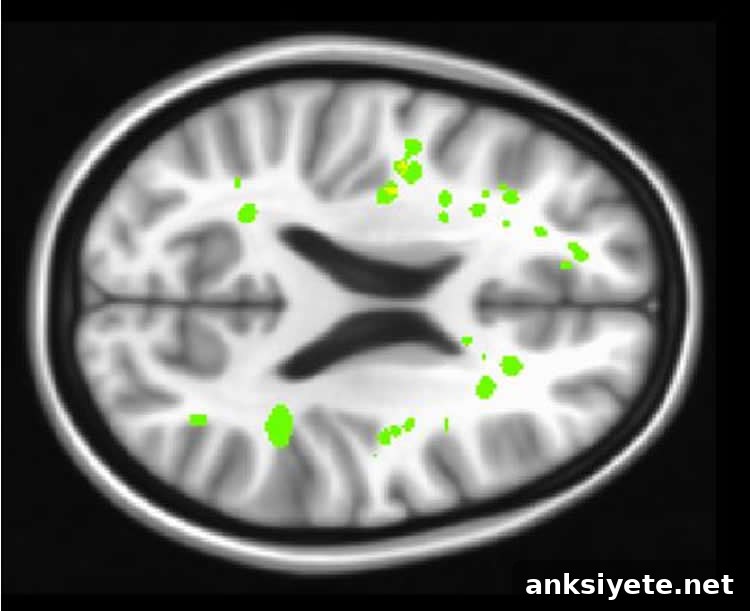
The team also identified a clear relationship between anemia severity and white matter oxygen delivery: lower hemoglobin levels correlated with lower oxygen delivery to white matter regions. Age and hematocrit emerged as the strongest predictors of white matter perfusion and oxygen delivery in the SCD cohort. Spatial overlap between areas of low oxygen delivery and white matter hyperintensities on T2 FLAIR MRI further supports a link between impaired oxygenation and the silent infarcts seen in these patients.
Dr. Wood’s study is the first to apply arterial spin labeling to quantify resting oxygen delivery separately in white and grey matter while accounting for the degree of anemia. The findings not only clarify a fundamental mechanism behind white matter silent strokes in SCD, but also carry broader implications for understanding anemia-related brain vulnerability more generally—an issue that gains urgency with an aging population and rising prevalence of anemia.
Beyond improved understanding, the technique offers a way to evaluate how current therapies (such as transfusion or hydroxyurea) and future treatments, including gene-based approaches, affect regional oxygen delivery in the brain. Such assessments may help clinicians better protect white matter and preserve cognitive function in people living with sickle cell disease.
Funding: Research supported by the National Heart, Lung, and Blood Institute (National Institutes of Health).
Authors and contributors: Lead author Yaqiong Chai; senior authors and co-investigators include John C. Wood, Adam M. Bush, Julie Coloigner, Aart J. Nederveen, Benita Tamrazi, Chau Vu, Soyoung Choi, Thomas D. Coates, and Natasha Lepore.
Publication: The study, titled “White Matter Has Impaired Resting Oxygen Delivery in Sickle Cell Patients,” was published in the American Journal of Hematology (February 2019). doi: 10.1002/ajh.25423
White Matter Has Impaired Resting Oxygen Delivery in Sickle Cell Patients
Although modern management has reduced overt stroke in sickle cell disease, progressive white matter damage remains common. Cerebral blood flow increases to compensate for anemia, but whether oxygen delivery is sufficient—particularly in white matter—was unclear. Using arterial spin labeling in 32 SCD patients and 25 matched healthy controls, the study found that while whole-brain and grey matter oxygen delivery were preserved after correcting for blood oxygen content, white matter oxygen delivery was approximately 35% lower in SCD patients. Age and hematocrit were the strongest predictors of white matter perfusion and oxygen delivery, and regions of low oxygen delivery spatially co-localized with white matter hyperintensities. The results indicate that, despite global compensation, white matter remains vulnerable to hypoxic injury and is likely the site of many silent cerebral infarcts in SCD.
Feel free to share this article to raise awareness about the mechanisms and clinical importance of silent strokes in sickle cell disease.