
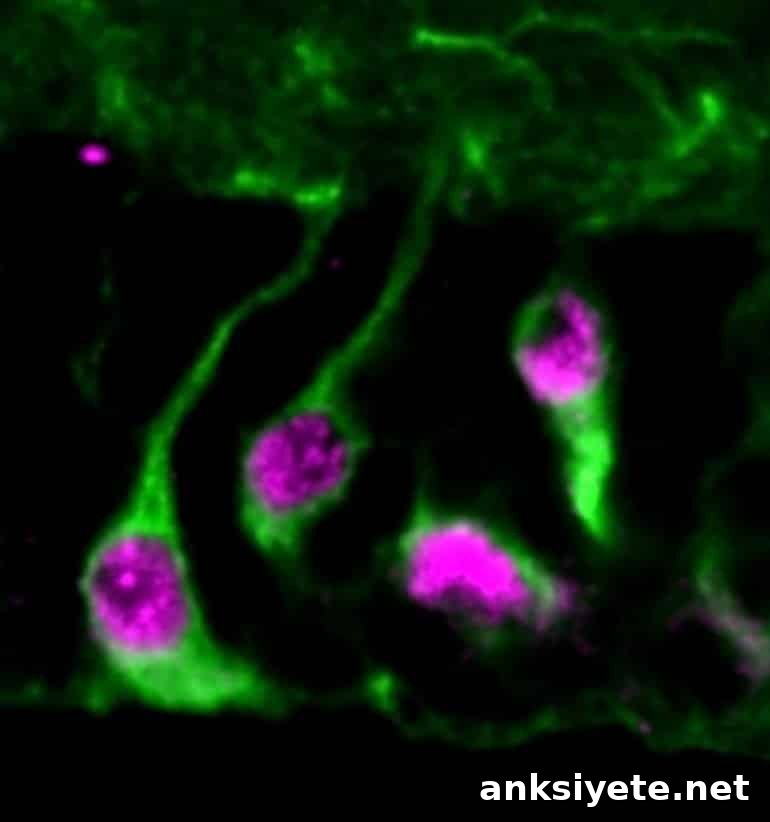
Summary: The enzyme Pr-set7 activates dormant neural stem cells, enabling them to re-enter the cell cycle and produce neurons.
Source: Duke-NUS Medical School
Researchers using Drosophila larvae have identified a critical role for the conserved enzyme Pr-set7 in reawakening quiescent neural stem cells so they can proliferate and generate new neurons.
A study published in EMBO Reports by researchers at Duke-NUS Medical School, Singapore, describes how Pr-set7 helps neural stem cells (NSCs) switch from a dormant, or quiescent, state into an active proliferative state during brain development. The findings provide new mechanistic insight that could help explain how alterations in this pathway contribute to certain neurodevelopmental disorders, including conditions associated with intellectual disability, seizures and reduced brain size.
Pr-set7 is a histone lysine methyltransferase known to influence genome stability, DNA repair and cell-cycle control, as well as the regulation of gene expression. This protein is evolutionarily conserved, meaning similar forms exist across species, from fruit flies to mammals. Professor Wang Hongyan, deputy director of the Neuroscience and Behavioural Disorders Programme at Duke-NUS, led the investigation into Pr-set7’s specific function during brain development and stem cell regulation.
“Genetic variants of the human version of Pr-set7 are linked to neurodevelopmental disorders that present with intellectual disability, seizures and developmental delay,” Professor Wang said. “Our work is the first to demonstrate that Pr-set7 promotes neural stem cell reactivation, highlighting its importance for proper brain development.”
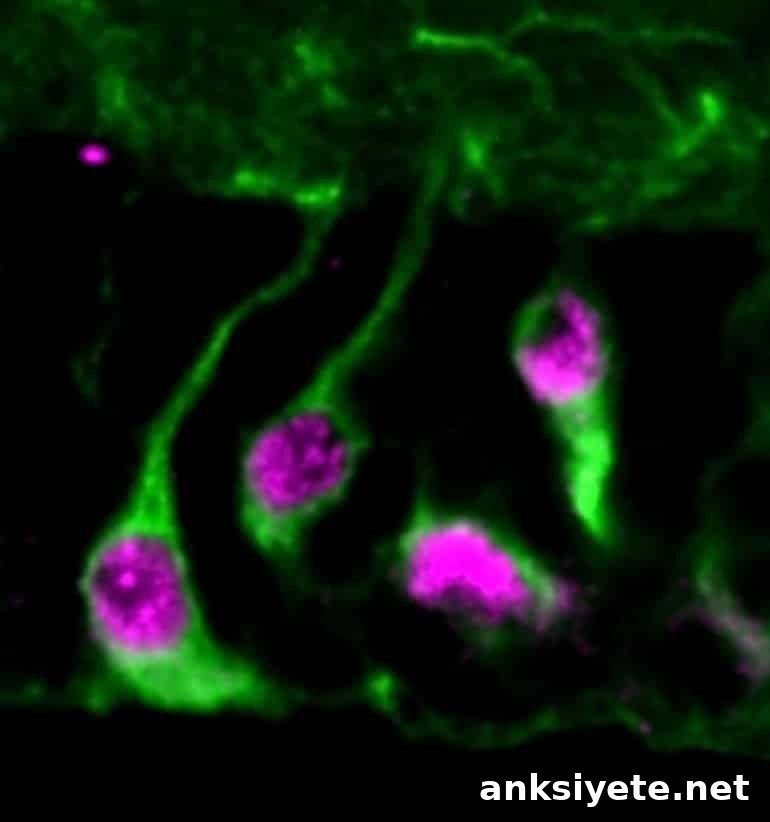
Neural stem cells normally alternate between quiescence and proliferation, a balance that is essential for healthy brain formation and long-term tissue maintenance. In many adult mammalian brains, most NSCs remain quiescent and are only reactivated in response to specific stimuli such as injury, nutrients or physical activity. As organisms age or experience chronic stress, NSCs can gradually lose their ability to resume proliferation, which can affect brain plasticity and repair.
To probe Pr-set7’s role, Professor Wang’s team examined fruit fly larvae genetically engineered to lack functional pr-set7 in the brain. They observed a pronounced delay in NSC reactivation: without Pr-set7, many stem cells remained trapped in quiescence and failed to resume normal proliferation on schedule. The researchers traced this effect to two critical downstream genes—cyclin-dependent kinase 1 (cdk1) and earthbound 1 (Ebd1)—which are required for cell-cycle progression and for Wnt pathway-related transcriptional activity, respectively.
Molecular profiling in neural stem cells showed that Pr-set7 binds to the promoter regions of cdk1 and ebd1, promoting their expression. When cdk1 and Ebd1 proteins were overexpressed experimentally, they were able to restore NSC reactivation even in brains lacking Pr-set7, demonstrating that these two factors act downstream of Pr-set7 to drive re-entry into the cell cycle. Together, the data indicate that Pr-set7 promotes NSC reactivation by coordinating cell-cycle progression and Wnt signaling through direct regulation of cdk1 and ebd1.
“Because Pr-set7 and its enzymatic activity are conserved across species, our findings in Drosophila point to potential roles for the mammalian homologues—SETD8 (also known as PR-SET7 or KMT5A)—in regulating neural stem cell behavior during brain development,” Professor Wang noted. Understanding this regulatory axis may help clarify how mutations in SETD8/KMT5A contribute to neurodevelopmental disorders.
Professor Patrick Casey, Senior Vice-Dean for Research at Duke-NUS, commented that this fundamental neuroscience work offers valuable mechanistic insight into conditions affecting brain development and may ultimately inform better ways to support people with neurodevelopmental disorders.
The research team is extending these findings to investigate the roles of the mammalian and human counterparts of Pr-set7—SETD8 and KMT5A—in vertebrate brain development and in disease-relevant contexts.
About this genetics research news
Source: Duke-NUS Medical School
Contact: Federico Graciano – Duke-NUS Medical School
Image: The image is credited to Wang Hongyan
Original Research: Open access. “Histone lysine methyltransferase Pr‐set7/SETD8 promotes neural stem cell reactivation” by Wang Hongyan et al., EMBO Reports (DOI: 10.15252/embr.202050994)
Abstract (paraphrased)
Histone lysine methyltransferase Pr‐set7/SETD8 promotes neural stem cell reactivation
Neural stem cells must switch between quiescence and proliferation for normal brain development and tissue maintenance. Variants in histone methyltransferase genes such as KMT5A have been associated with neurodevelopmental disorders, but their roles in the central nervous system are not fully defined. This study shows that Drosophila Pr-set7 is a key regulator of NSC reactivation: loss of pr-set7 delays reactivation and reduces monomethylation of histone H4 at lysine 20 (H4K20me1) in the brain. NSC-specific profiling reveals that Pr-set7 occupies promoter regions of cyclin-dependent kinase 1 (cdk1) and the Wnt co-activator earthbound1/jerky (ebd1), and is required for their proper expression. Both Cdk1 and Ebd1 promote NSC reactivation, and their overexpression largely rescues the reactivation defects caused by pr-set7 depletion. These results indicate that Pr-set7 coordinates cell-cycle progression and Wnt signaling to enable NSC reactivation and suggest a conserved role for mammalian SETD8/KMT5A in brain development.