
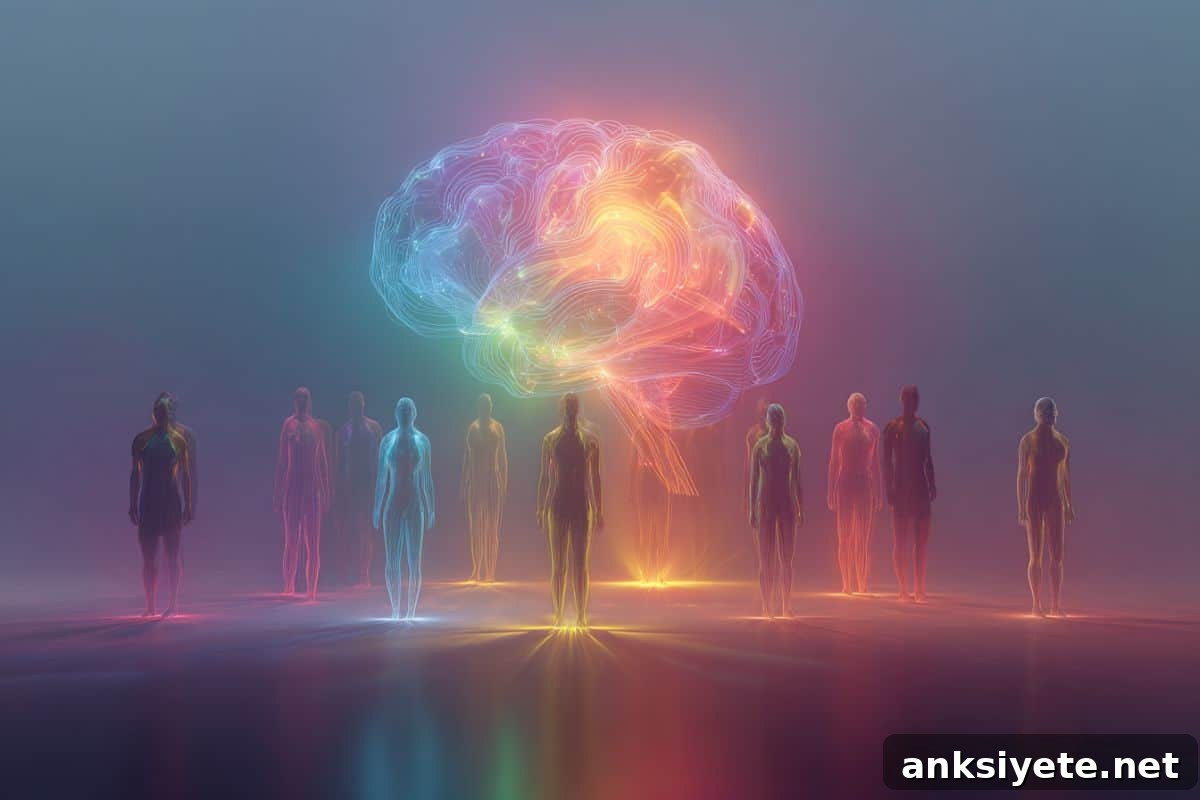
Shared Neural Codes for Color Perception: Cross-Brain Decoding Study
Summary: New research indicates that human brains exhibit common patterns of activity when processing color. By comparing neural responses from one group of participants to the brain activity of another, researchers were able to predict which colors and brightness levels observers were viewing. The results suggest a population-wide neural coding for color perception that is consistent across individuals.
Researchers Michael Bannert and Andreas Bartels of the University of Tübingen published these findings in the Journal of Neuroscience. Their work demonstrates the first robust evidence that color decoding can be performed across different people’s brains, not only within the same person’s previously recorded data. The study reveals that while personal subjective experience of color may vary, many underlying neural processes are shared between people.
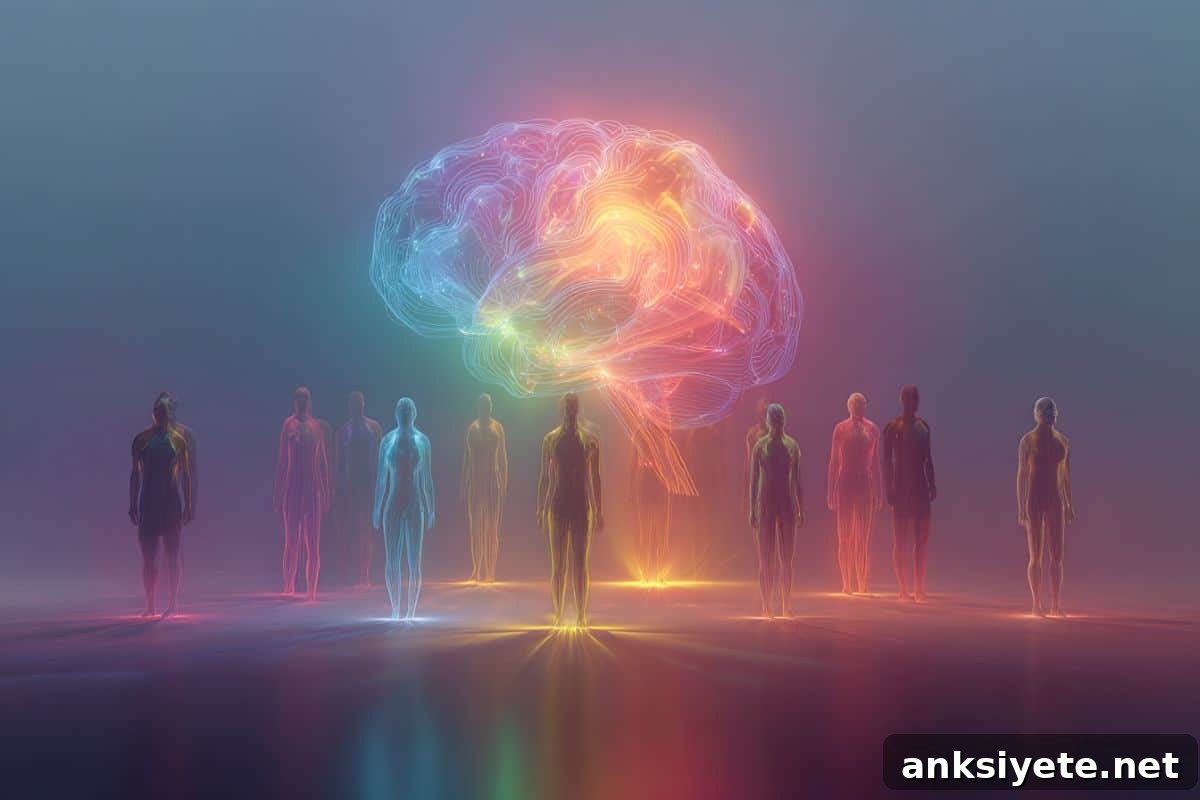
Key Findings: Shared Neural Codes and Cross-Subject Decoding
- Shared Neural Codes: Distinct spatial and temporal patterns of brain activity represent colors and are conserved across individuals.
- Cross-Brain Decoding: Neural data from one group of observers can be used to predict the colors seen by different observers with significant accuracy.
- Representation of Brightness: The decoding extended beyond hue to include brightness levels, indicating multiple dimensions of color perception are reflected in common neural signatures.
- Consistent Processing Mechanisms: The results support the idea that certain sensory coding mechanisms for color are broadly similar across the population.
Study Overview and Methods
Bannert and Bartels measured brain responses evoked by colored visual stimuli in one group of participants, creating a reference set of color-induced neural patterns. They then compared these reference patterns to neural activity recorded from a separate group of observers who viewed the same or similar color stimuli. Using pattern-comparison and decoding techniques, the team predicted which colors and brightness levels were being viewed by the second group based solely on how their brain activity matched the reference responses.
Importantly, previous studies had shown accurate decoding of color within the same person, using that individual’s own prior data. This new work goes further by demonstrating that neural patterns encoding color generalize across different brains, enabling cross-subject decoding. The success of this approach indicates there are reliable features of the neural representation of color that transcend individual differences in anatomy and subjective experience.
Significance and Implications for Neuroscience
These findings have several important implications for our understanding of sensory processing and neural coding. First, they suggest that color perception depends on conserved neural codes that multiple people share, which can be identified and exploited by decoding algorithms. Second, cross-subject decoding opens new possibilities for building generalized neural models of perception that do not rely on extensive individual calibration. Third, the result contributes to ongoing debates about the relationship between subjective experience and shared neural mechanisms: while subjective qualia remain personal, key aspects of the brain’s representation of color appear to be common across observers.
Potential applications include improved brain-computer interfaces for visual prosthetics, more robust models for decoding visual content from brain data, and better tools for studying how sensory information is transformed into conscious perception. At the same time, the authors emphasize that decoding accuracy and generalizability will depend on experimental details and that subjective experience cannot be equated directly with decoding success.
Conclusions
The study led by Michael Bannert and Andreas Bartels provides compelling evidence that color and brightness evoke distinct neural signatures that are preserved across different people. This cross-brain decoding represents a meaningful advance in cognitive neuroscience, demonstrating that shared population-level mechanisms underlie at least some aspects of color perception. While individual subjective experiences of color remain unique, the underlying neural codes show remarkable consistency.
About this research and source information
Author: SfN Media (email: [email protected])
Source: SfN
Contact: SfN Media – SfN
Image credit: Neuroscience News
Original research: Findings published in the Journal of Neuroscience by researchers at the University of Tübingen.