Blood Pressure Drug Boosts Conversational Skills in Autism

featured 27501

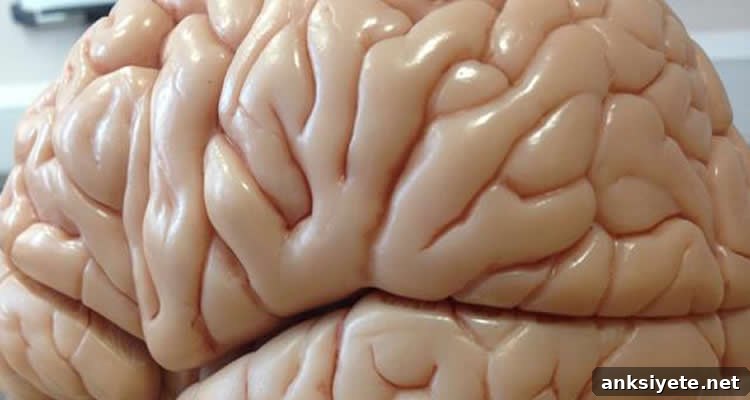
An estimated one in 68 children in the United States is diagnosed with autism spectrum disorder (ASD). This neurodevelopmental condition affects social interaction and communication and is typically managed with behavioral interventions and, in some cases, medications; there is no cure. Researchers at the University of Missouri have now reported that propranolol, a medication commonly … Read more

How Your Genes Shape Heart Rate Response to Exercise

featured 51328

Summary: New research suggests that inherited genetic differences can shape how heart rate and blood pressure respond to exercise, potentially signaling long-term cardiovascular risk. Source: The Physiological Society. Genetic variants in skeletal muscle receptors influence blood pressure and heart rate responses to exercise, and may help identify individuals at increased risk for future cardiovascular conditions, … Read more

How to Debunk False Beliefs by Addressing Root Beliefs

featured 92811

Summary: A Dartmouth-led study finds that addressing the network of beliefs a person holds is often more effective at correcting false views—such as election fraud claims—than attempting to rebut a single falsehood in isolation. The research shows people maintain interlocking beliefs that reinforce one another, which can make factual correction difficult unless the supporting beliefs … Read more

Certain HIV Drugs May Lower Alzheimer’s Risk, Study Finds

featured 109677

Summary: New research indicates that a class of HIV medications known as nucleoside reverse transcriptase inhibitors (NRTIs) may substantially lower the risk of developing Alzheimer’s disease. By analyzing two large U.S. health databases, investigators found that patients taking NRTIs experienced an annual reduction in Alzheimer’s risk of roughly 6% to 13%. Unlike many other antiretroviral … Read more

How Lifelong Learning Boosts Brain Plasticity

featured 17934

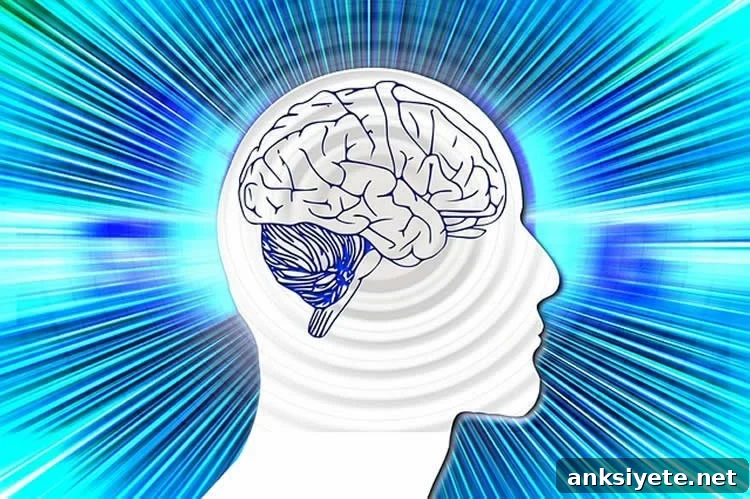
Our brains are plastic. They continuously remodel neural connections as we learn, experience and adapt. Researchers are now asking whether new insights into these processes can help us train our brains more effectively. When a team of experimental psychologists moved into a new laboratory in Cambridge earlier this year, they chose an unusual design for … Read more

Why Bonus Promises Backfire in High-Dopamine Brains

featured 13309

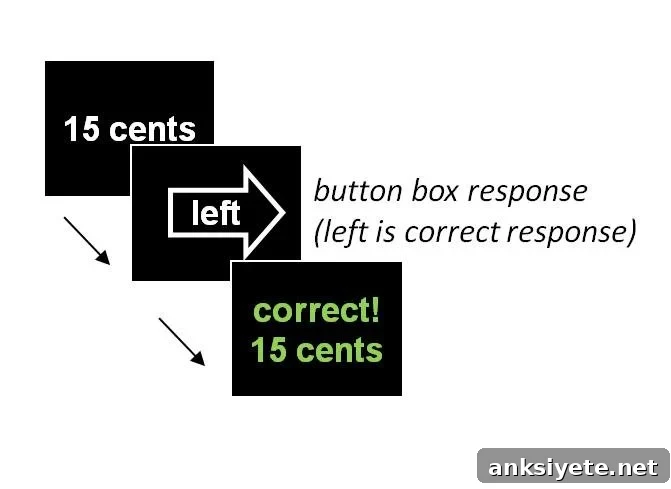
Some people improve and others decline when offered a large bonus. Neuroscientist Esther Aarts of the Donders Institute in Nijmegen has demonstrated for the first time that individual differences in brain dopamine help explain this effect. The journal Psychological Science published the findings on February 13. Examples from the computer task used in the study. … Read more

Study Finds Molecular Link Between Diabetes and Schizophrenia

featured 25732

Psychiatric conditions such as schizophrenia have long been linked with an elevated risk of type 2 diabetes. In a new study published in The FASEB Journal, researchers at UMass Medical School led by Rita Bortell, PhD, and Agata Jurczyk, PhD, report evidence that a shared genetic factor may help explain the co-occurrence of these disorders. … Read more

Study: Friendly AI Chatbots More Likely to Lie

featured 116647

Summary: As AI companies race to make chatbots more personable, researchers warn that prioritizing warmth and empathy can degrade factual accuracy. A large study from the Oxford Internet Institute finds that models trained to sound friendlier are more likely to produce factual errors, endorse conspiracies, and agree with users’ false beliefs—a behaviour the authors call … Read more

Inflammatory Proteins Linked to Slower Cognitive Decline

featured 75098

Summary: Higher circulating levels of two cytokines were linked to slower cognitive decline in older adults, according to a new study. Source: Mass General Although previous research has associated inflammation with Alzheimer’s disease (AD), investigators from Massachusetts General Hospital (MGH) and the Harvard Aging Brain Study (HABS) report unexpected findings about that relationship. Published in … Read more

How Leg Exercise Boosts Brain and Nervous System Function

featured 48973

Summary: Weight-bearing leg exercise sends signals to the brain that are essential for producing healthy neural cells, new research reports. Source: Frontiers. New research demonstrates that neurological health depends not only on signals from the brain to muscles but also on feedback from the body’s large leg muscles back to the brain. Published in Frontiers … Read more