Bipedal Robots Achieve Human-Like Walking
featured 11953

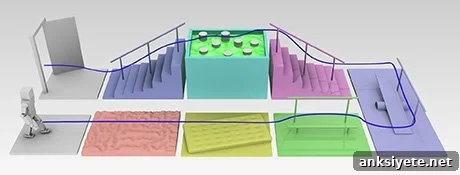
Heidelberg scientist coordinates new EU project “KoroiBot”. The international research project KoroiBot brings together scientists from seven institutions across Germany, France, Israel, Italy and the Netherlands to teach two‑legged robots a stable, robust, and human‑like way of walking. Coordinated by Prof. Dr. Katja Mombaur at Heidelberg University, the three‑year project began in October 2013 and … Read more

Abnormal Neuronal Fusion Disrupts Brain Circuits

featured 67476

Summary: New research shows that neurons can lose their individuality and fuse under certain conditions, challenging the long-held belief that nerve cells remain permanently separate. This discovery may shed light on mechanisms behind some neurological disorders. Source: University of Queensland Neurons Can Fuse: Experimental Evidence from C. elegans Reveals Functional Consequences A discovery that could … Read more

Autism Symptom Severity Linked to Brain Overgrowth

featured 104166

Summary: Researchers have identified a clear relationship between brain overgrowth and the severity of social and communication symptoms in children with autism spectrum disorder (ASD). A combined analysis of magnetic resonance imaging (MRI) data and laboratory experiments using brain organoids—three-dimensional “mini-brains” grown from induced pluripotent stem cells (iPSCs)—shows that children with the most severe ASD … Read more

Are Religious People Less Intelligent Than Atheists on Average?

featured 46416

Summary: A new study investigates whether religiosity is associated with lower measured intelligence. The researchers find that religious people tend to depend more on intuitive responses than on analytic reasoning during decision-making tasks. They suggest that cognitive training could help religious individuals preserve their beliefs while reducing an over-reliance on intuition in situations where logic … Read more

How Posture Affects Taste and Your Eating Experience

featured 56961

Summary: Whether you eat standing up or seated, your posture changes how you perceive taste. Standing suppresses sensory sensitivity and can lessen enjoyment of food and drink. Source: University of South Florida As warm weather brings outdoor events and food stalls, more people eat while standing. New research suggests that if you want to savor … Read more

Brain Imaging Reveals Early Differences in Infants with Fragile X

featured 47678

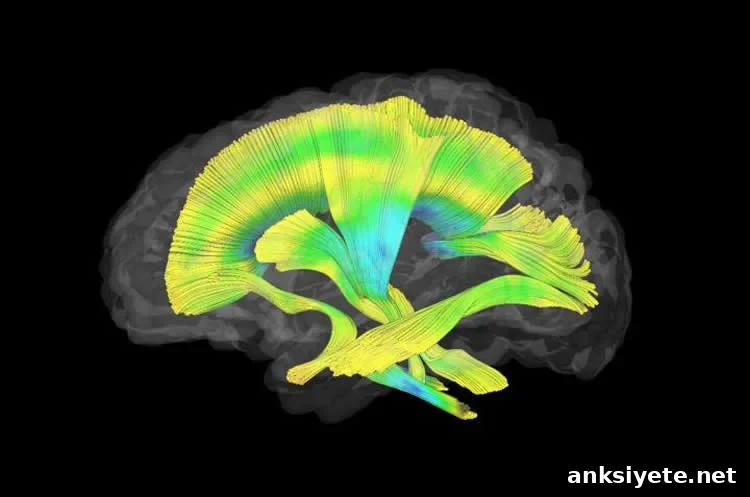
Summary: A new neuroimaging study finds that infants with Fragile X syndrome show less-developed white matter in the brain compared with infants who do not have the condition. Source: University of North Carolina Health Care Infant MRI Study Reveals Early White Matter Differences in Fragile X Syndrome For the first time, researchers at the UNC … Read more

How Diet and Exercise Improve Brain Function

featured 83962

Summary: Researchers review how diet, exercise, mental stimulation and social engagement can help delay cognitive decline and support long-term brain health. Source: University of Kentucky Healthy brain aging matters to everyone. June is Brain and Alzheimer’s Awareness Month, and it’s an appropriate time to focus on practical steps we can take to protect cognition over … Read more

Is Poor Sleep Raising Your Type 2 Diabetes Risk?

featured 88621

Summary: People who report trouble sleeping appear to have higher risk markers for poor cardiometabolic health, which can contribute to the development of type 2 diabetes. Source: University of South Australia As the holiday season approaches, researchers from the University of South Australia urge people to prioritise sleep. New research indicates that troubled sleep is … Read more

How the Brain Makes Decisions: Neural Mechanisms Explained

featured 48385

Summary: Researchers describe the neural events that occur immediately before a decision is made. Source: University of Oxford Monitoring the real-time dynamics of molecules and electrical signals inside living organisms is central to understanding disease and behavior. Achieving this in a minimally invasive, sensitive and high-resolution way remains challenging, and has driven the development of … Read more

Why People Risk Their Lives to Save Others

featured 84931

Summary: This study explores why some people rush into danger to help others while others hesitate, even when risking harm is part of their job. Source: The Conversation After an 18-year-old gunman killed 19 elementary school children and two teachers in Uvalde, Texas, distraught parents directed their anger at the multiple police officers who did … Read more