An international research team led by neuroscientists at Keck Medicine of the University of Southern California (USC) reports genetic evidence that some individuals may be more vulnerable than others to noise-induced hearing loss.
Noise-induced hearing loss (NIHL) remains one of the most common occupational illnesses in the United States, according to public health authorities. Military personnel are particularly at risk, and hearing impairment is widely reported among veterans receiving disability compensation. Identifying genetic factors that influence susceptibility to NIHL could help at-risk individuals take extra precautions to protect their hearing before exposure to hazardous sound levels.
“Understanding the biological mechanisms that determine sensitivity to loud noise is essential for preventing hearing loss,” said Rick A. Friedman, M.D., Ph.D., otologist and professor of otolaryngology and neurosurgery at the Keck School of Medicine of USC, who led the study. “Although advances in hearing restoration are important, prevention and protection remain the most effective strategies for preserving natural hearing.”
The study, titled “Genome-wide association study identifies Nox3 as a critical gene for susceptibility to noise-induced hearing loss,” was published in the April 16 issue of PLOS Genetics, a peer-reviewed scientific journal. It represents the first published genome-wide association study (GWAS) for NIHL in mice and highlights a gene with strong inner ear expression that influences vulnerability to noise damage.
Previous human gene association studies for NIHL were limited by small sample sizes and a lack of replication. GWAS examine common genetic variants across the entire genome to identify associations with specific traits. Mouse GWAS have successfully revealed genes that underlie complex traits, often providing insights directly relevant to human health.
In experiments conducted at the Zilkha Neurogenetic Institute, the USC team used the Hybrid Mouse Diversity Panel, studying 64 of the panel’s 100 strains to improve statistical power. By exposing young mice to a controlled noise protocol and measuring subsequent hearing thresholds, the researchers performed a GWAS that implicated the Nox3 gene as a key determinant of susceptibility to noise-induced damage. Nox3 is expressed primarily in the inner ear, suggesting a tissue-specific role in protecting auditory function.
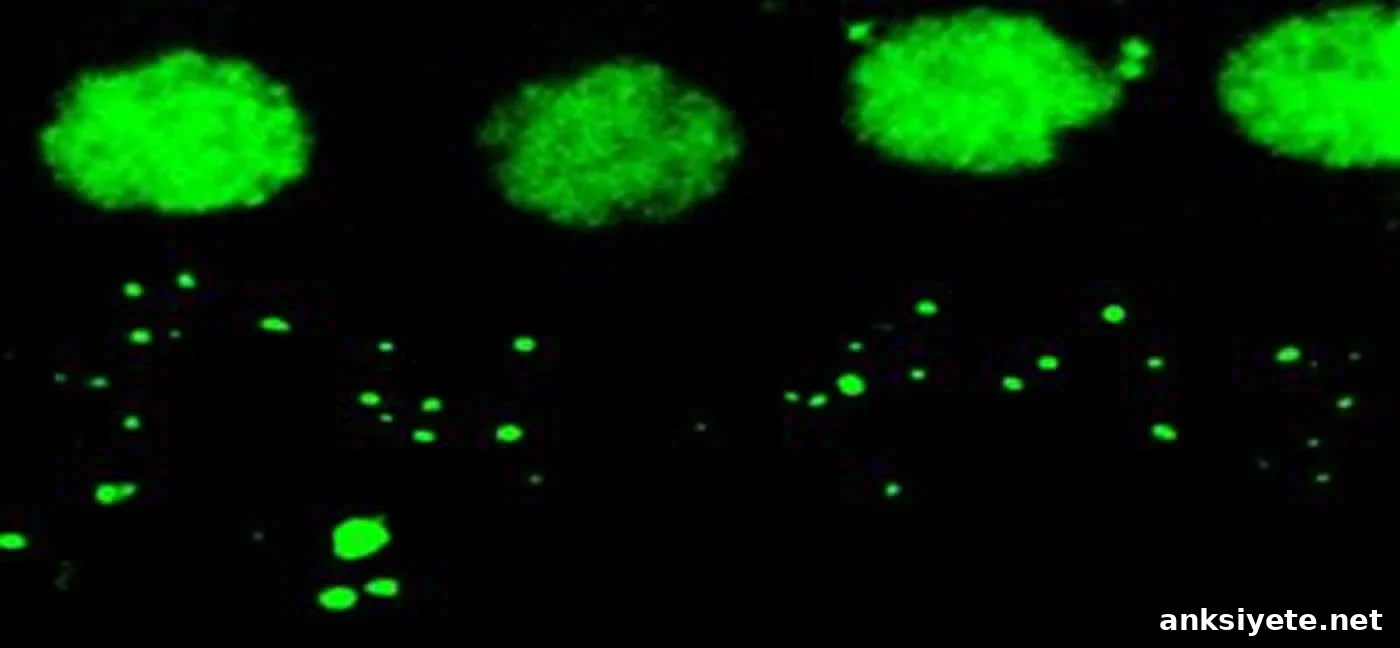
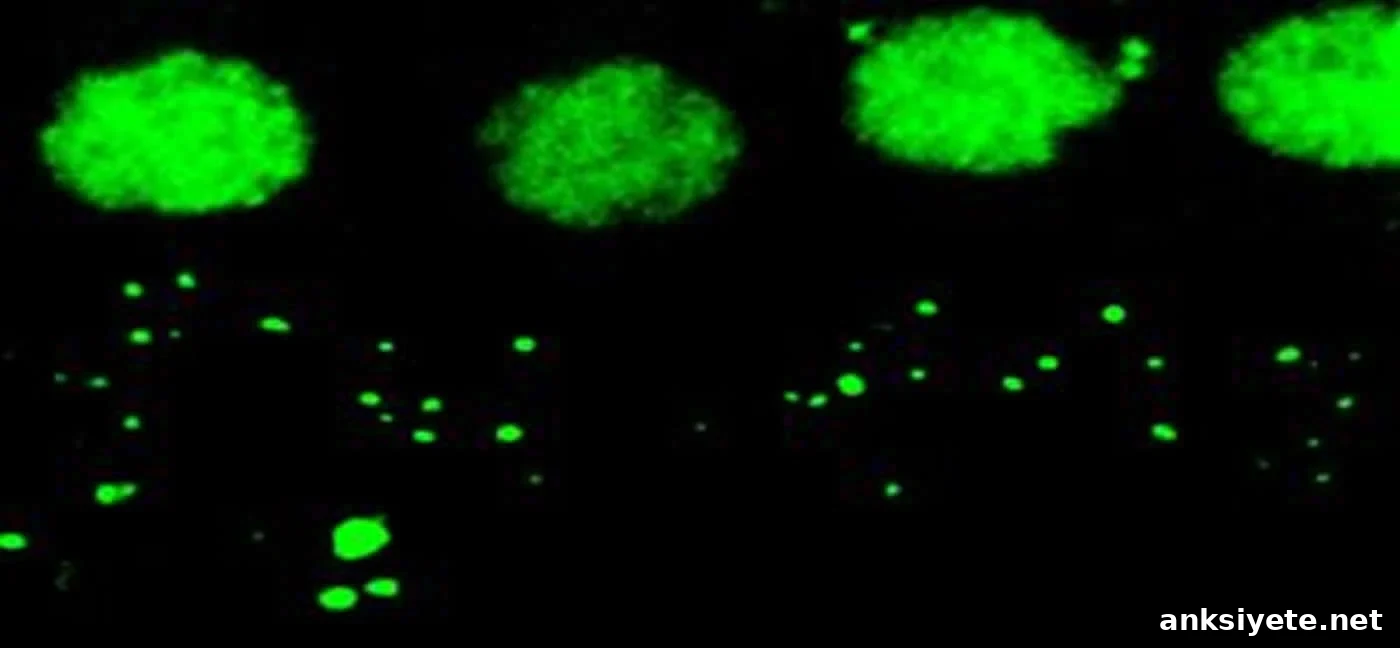
The GWAS peak of interest was identified on chromosome 17 within a haplotype block that contains Nox3. Follow-up validation experiments compared Nox3 mutant and heterozygous animals with controls. These mutant animals showed increased vulnerability to NIHL at a specific frequency (8 kHz), demonstrated by both distortion product otoacoustic emissions (DPOAE) and auditory brainstem response (ABR) measurements. The investigators localized the deficit to synaptic ribbons in the cochlea at the affected frequency, linking the genetic finding to a clear cellular change.
Because the work used carefully controlled mouse models and frequency-specific measurements, it revealed a tonotopic—frequency-dependent—genetic susceptibility to noise damage. The study highlights how genetic variation can influence not only whether hearing loss occurs after noise exposure but also which frequencies are most affected.
The research was carried out in collaboration with scientists from the Federal University of Rio Grande do Sul in Brazil and the University of California, Los Angeles. Co-authors from the Keck School of Medicine of USC include Joel Lavinsky, Amanda L. Crow, Juemei Wang, Ksenia A. Aaron, Maria K. Ho, Qingzhong Li, Pehzman Salehide, Anthon Myint and Maya Monges-Hernadez, among others.
Funding: The study received partial support from various grants from the National Institutes of Health, the California Institute for Regenerative Medicine and Coordenação de Aperfeiçoamento de Pessoal de Nível Superior.
Reported by Alison Trinidad
Source: Keck Medicine of USC
Image Source: Rick A. Friedman Lab
Original research: Genome-Wide Association Study Identifies Nox3 as a Critical Gene for Susceptibility to Noise-Induced Hearing Loss, published in PLOS Genetics, April 16, 2015. The study describes experimental exposure of mice to a 10 kHz octave-band noise at 108 dB for two hours, assessment of permanent threshold shifts two weeks after exposure, and GWAS analysis using Efficient Mixed Model Analysis (EMMA) to control for population structure.
Abstract (summary)
Approximately one in ten people in the United States faces daily occupational exposure to hazardous noise. Twin studies estimate that about 36% of the variation in NIHL risk is heritable, and previous work has shown strain-dependent differences in mice. To investigate genetic susceptibility in a controlled setting, researchers exposed 5-week-old mice from the Hybrid Mouse Diversity Panel to a defined noise trauma and measured permanent hearing threshold shifts two weeks later with frequency-specific stimuli. GWAS using EMMA revealed a prominent association on chromosome 17 that implicates NADPH oxidase-3 (Nox3) as a critical gene for NIHL susceptibility. Experimental validation showed that Nox3 mutants and heterozygotes had greater hearing loss at 8 kHz, with deficits evident in both DPOAE and ABR measures and localized to cochlear synaptic ribbons. This work demonstrates the utility of mouse GWAS to pinpoint tonotopic genetic factors that influence vulnerability to noise-induced hearing loss.