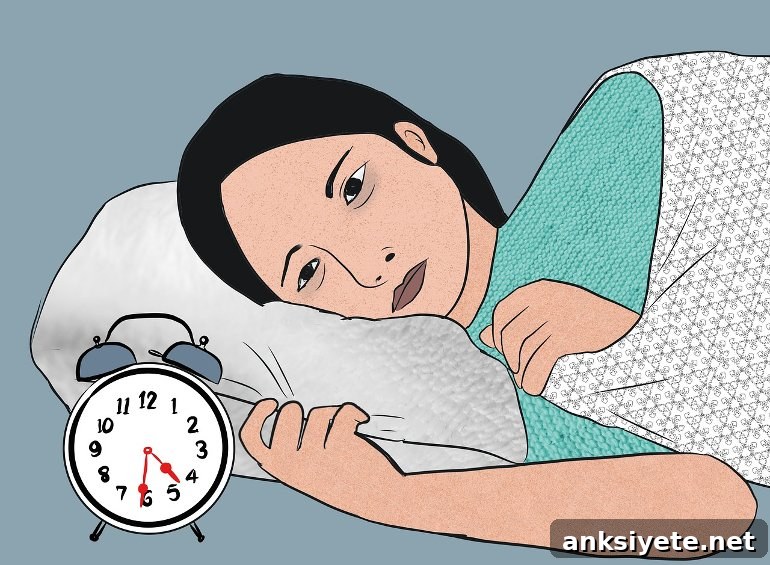
Summary: People who report trouble sleeping appear to have higher risk markers for poor cardiometabolic health, which can contribute to the development of type 2 diabetes.
Source: University of South Australia
As the holiday season approaches, researchers from the University of South Australia urge people to prioritise sleep. New research indicates that troubled sleep is linked to a range of cardiometabolic risk factors that are known contributors to type 2 diabetes.
This is the first study to examine multiple dimensions of sleep—both objective measurements and people’s own reports—and their relationship with markers of cardiometabolic health. Individuals who reported trouble sleeping were more likely, on average, to show indicators of poor cardiometabolic health such as elevated inflammatory markers, adverse cholesterol profiles and increased body weight.
In Australia, nearly one million adults live with type 2 diabetes. Worldwide, type 2 diabetes affects more than 422 million people, making prevention and early risk identification a public health priority.
UniSA researcher Dr Lisa Matricciani explains that different aspects of sleep relate to diabetes risk in different ways.
“Most people focus on how many hours they sleep, but sleep is multidimensional,” Dr Matricciani says. “How deeply we sleep, when we go to bed and wake up, how consistent our sleep schedule is, and whether we experience trouble sleeping all matter for metabolic health.”
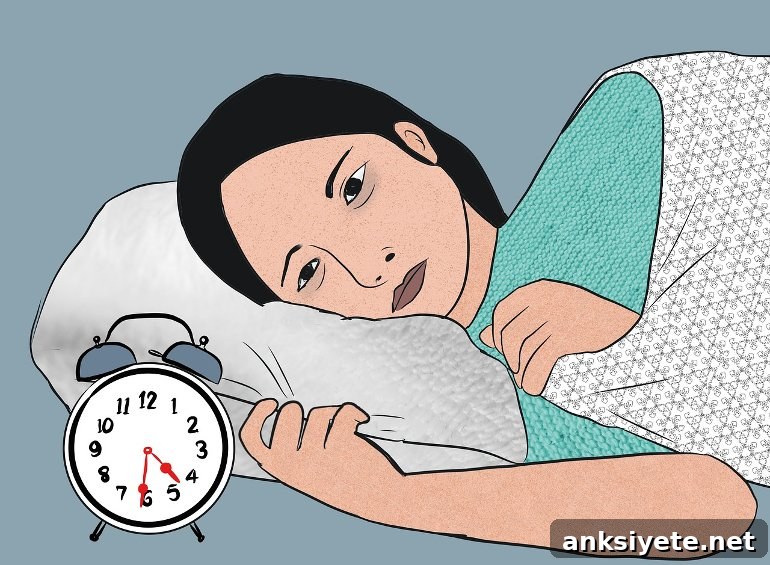
The research team looked beyond simple sleep duration. They assessed how soundly people slept, the timing of their sleep, and day-to-day variability in sleep length. Their findings suggest that sleep quality and regularity are as important as total hours slept when it comes to cardiometabolic risk.
“When people report troubled sleep, we found this was associated with higher body mass index and blood markers indicating inflammation and dyslipidemia,” Dr Matricciani notes. “These factors are known to increase the risk of developing type 2 diabetes, so sleep problems should not be dismissed.”
The study evaluated more than 1,000 Australian adults, with a median age of 44.8 years. Researchers combined objective actigraphy measurements—tracking sleep duration, timing, efficiency and variability—with self-reported trouble sleeping to understand how different sleep dimensions relate to cardiometabolic health.
“This research makes it clear that prioritising healthy sleep habits is an important part of maintaining metabolic health,” Dr Matricciani adds. “More research will help clarify mechanisms and guide interventions, but for now it’s sensible to regard sleep as a key component of chronic disease prevention strategies.”
About this sleep and diabetes research news
Author: Annabel Mansfield
Source: University of South Australia
Contact: Annabel Mansfield – University of South Australia
Image: The image is in the public domain
Original Research: Closed access. “Multidimensional Sleep and Cardiometabolic Risk Factors for Type 2 Diabetes: Examining Self-Report and Objective Dimensions of Sleep” by Lisa Matricciani et al. Science of Diabetes Self-Management and Care
Abstract
Multidimensional Sleep and Cardiometabolic Risk Factors for Type 2 Diabetes: Examining Self-Report and Objective Dimensions of Sleep
Purpose:
The study aimed to determine how objective and self-reported measures of sleep relate to cardiometabolic risk factors associated with type 2 diabetes. By considering multiple sleep dimensions together, the researchers sought a more complete picture of sleep-related metabolic risk.
Methods:
Researchers analysed data from Australian adults collected as part of the Child Health CheckPoint study. Objective sleep measures were derived from actigraphy and included sleep duration, timing, efficiency and variability. Self-reported trouble sleeping was also recorded. Cardiometabolic risks were assessed using body mass index and blood biomarkers reflecting inflammation and dyslipidemia. Generalized estimating equations, adjusted for geographic clustering, tested associations between sleep measures and cardiometabolic markers.
Results:
Complete-case analysis included 1,017 parents, 87% of whom were mothers. Both objective and self-report sleep measures showed statistically significant but modest associations with cardiometabolic risk factors. Importantly, self-reported troubled sleep remained associated with poorer cardiometabolic profiles even after accounting for objectively measured sleep parameters.
Conclusion:
The findings indicate that both objective and subjective dimensions of sleep are linked to cardiometabolic risk markers relevant to type 2 diabetes. Self-reported trouble sleeping is associated with poorer cardiometabolic health independent of actigraphy-derived sleep measures, highlighting the value of considering a multidimensional approach to sleep assessment in efforts to prevent metabolic disease.