EEG Detects Hidden Consciousness Days After Brain Injury
featured 57516

Summary: Researchers detected brain-wave patterns consistent with “hidden” consciousness in about 15% of patients with acute traumatic brain injury within days of the event. Patients showing these EEG patterns were more likely to regain the ability to follow verbal commands before hospital discharge and had better functional outcomes at one year compared with patients without … Read more
How Neurons Predict Your Body’s Response to Food and Water

featured 37469

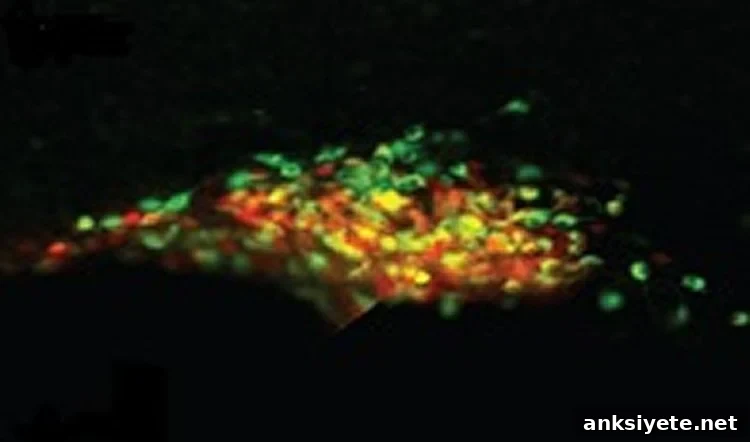
Summary: New findings reveal how specific brain circuits anticipate and regulate food and water intake. Source: BIDMC. Neuroscientists at Beth Israel Deaconess Medical Center (BIDMC) used advanced recording techniques to map how the brain prepares for and responds to drinking and eating. In a study published online in Neuron, the team tracked activity in neurons … Read more

Left-Right Brain Communication Drives Language Development

featured 30710

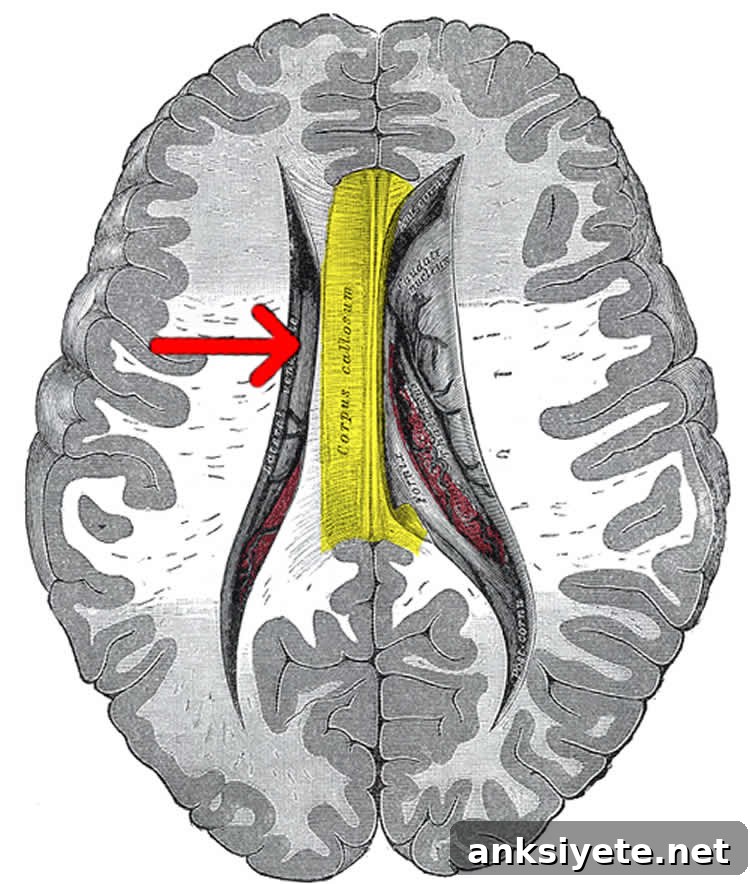
Weak Connection Between Brain Hemispheres Redirects Language to the Wrong Side and Lowers Verbal IQ, Researchers Say New research from the University of California, San Francisco (UCSF) shows that proper communication between the left and right hemispheres of the brain is essential for the development of advanced language skills. In most people, language processing is … Read more

Mapping the Brain Connectome: How Neural Branches Connect

featured 5433

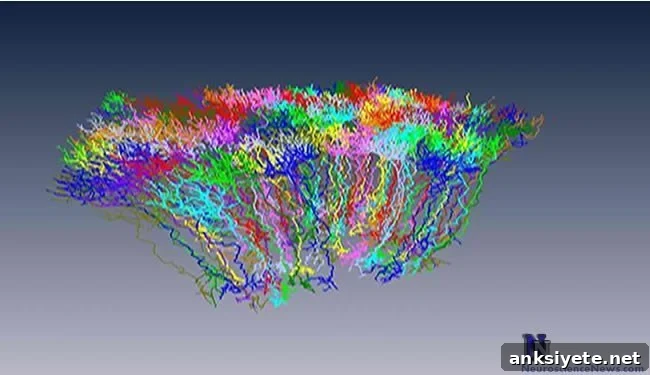
Max Planck researchers create new analytical tools for rapid, accurate neural network reconstruction The human brain remains the most intricate organ known, composed of billions of neurons interconnected by a dense three-dimensional web of dendrites and axons. Mapping this vast network—the connectome—has long posed a formidable challenge. Researchers at the Max Planck Institute for Medical … Read more

Alzheimer’s Vaccine Targeting Key Protein Enters Clinical Trial

featured 26634

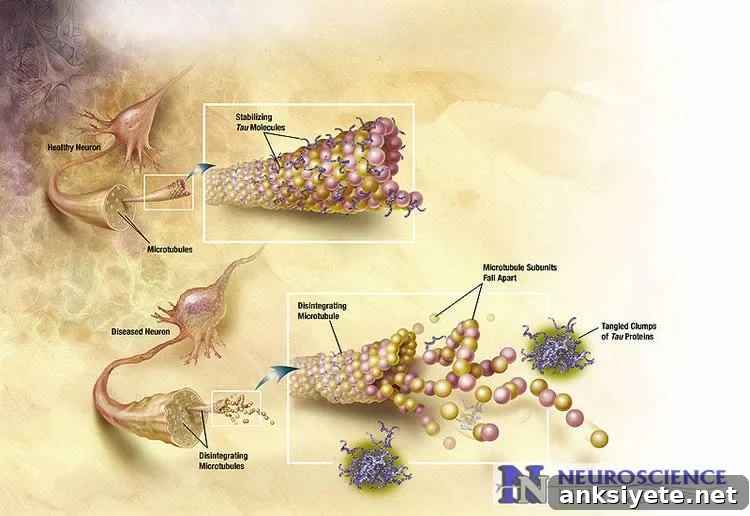
A new Alzheimer’s treatment designed to help the brain clear abnormal clumps of the tau protein — known as tau tangles — has entered an early-stage clinical trial in the UK. The candidate, called ACI-35, is being developed by Swiss biotechnology company AC Immune and will be evaluated in a first-in-human study coordinated by Professor … Read more

Rare Neurological Disorder Reported After COVID-19 Vaccination

featured 75036

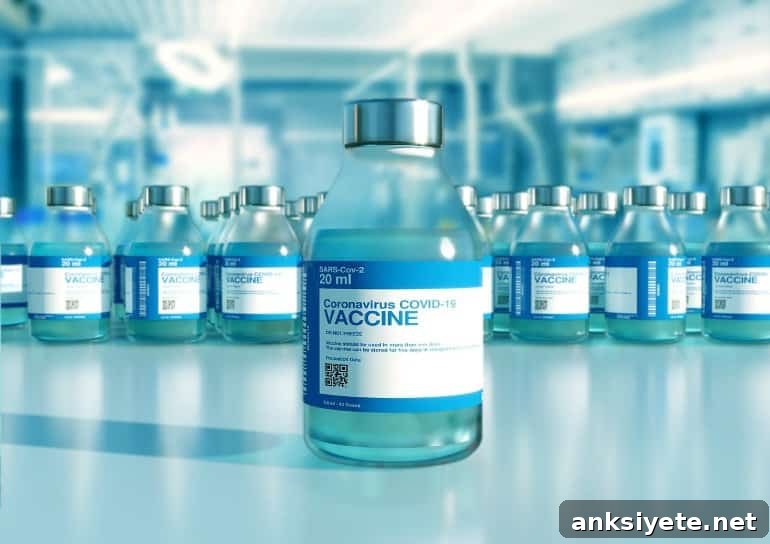
Summary: Recent reports identify a small number of cases of Guillain-Barré syndrome (GBS) that occurred after administration of the AstraZeneca (ChAdOx1‑S) COVID-19 vaccine. Although these events appear to be very rare, clinicians and public-health surveillance systems should remain alert. The benefits of COVID-19 vaccination continue to outweigh the small potential risk of serious but uncommon … Read more

How Children Inherit Anxiety from Their Parents

featured 21471

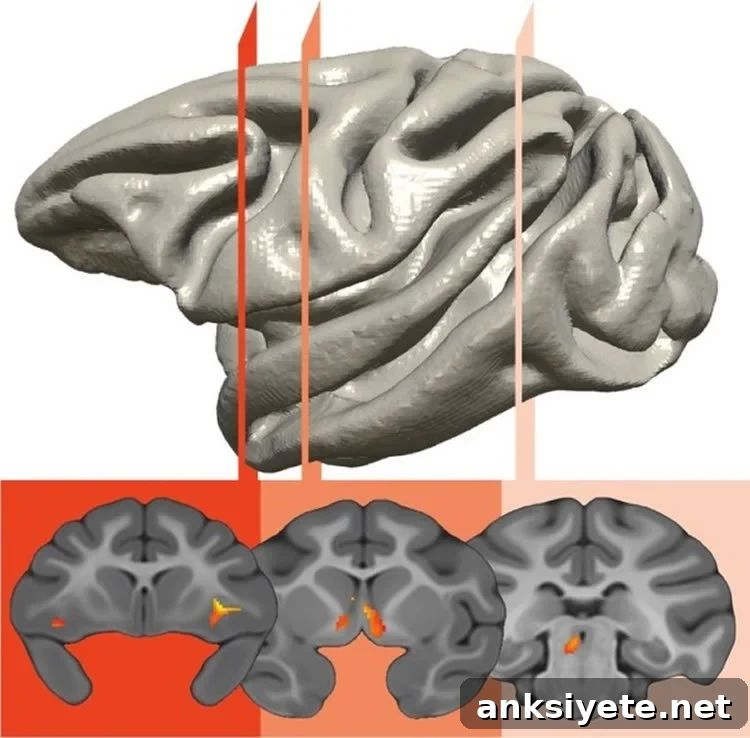
In rhesus monkey families — just as in human families — anxious parents are more likely to have anxious offspring. A new study of an extended rhesus monkey pedigree offers important insights into how the risk for anxiety and depression can be transmitted from one generation to the next. Researchers at the University of Wisconsin–Madison … Read more

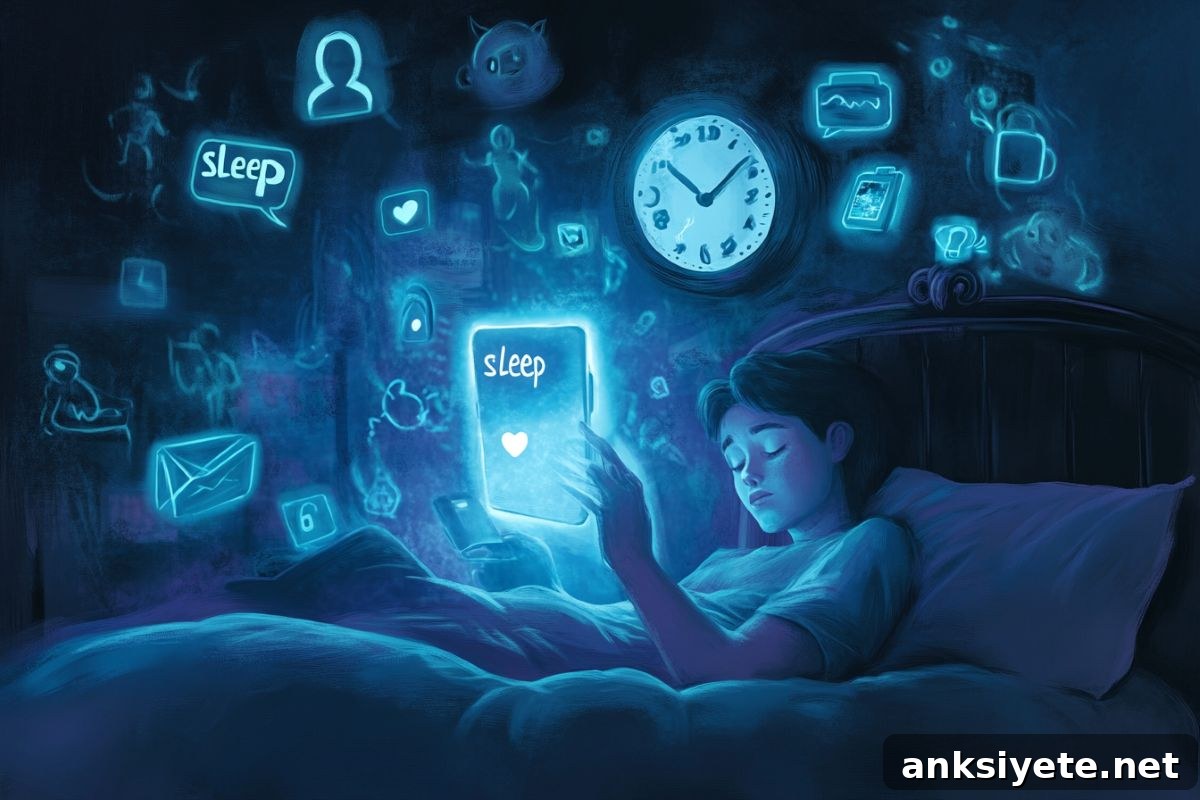
Study Links Bedtime Screens to Less Sleep and Increased Insomnia

featured 108347

Summary: A large Norwegian study of 45,202 university students found that using screens in bed raises the odds of insomnia symptoms by 59% for each additional hour of use and shortens nightly sleep by an average of 24 minutes. The surprising finding: it was the amount of screen time, not the specific activity—social media, streaming, … Read more

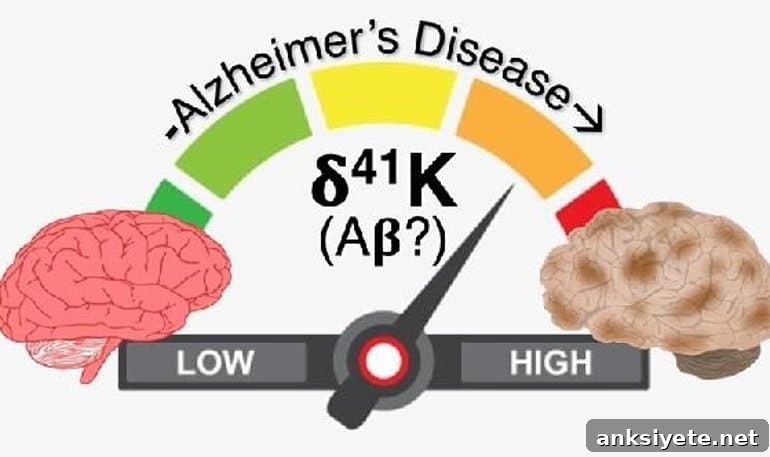
Amyloid Beta Accumulates in Brain Regions with Low Potassium

featured 89615

Summary: Analysis of brain tissue from subjects with Alzheimer’s disease revealed notable shifts in potassium isotope composition that align with the buildup of amyloid‑beta protein. Source: University of Bristol New research led by James Cook University suggests that changes in specific potassium isotopes circulating in the blood could provide an earlier, non‑invasive indicator of Alzheimer’s … Read more

How One Brain Chemical Impacts Visual Processing in Autism

featured 79745

Summary: Activation of GABA targets makes visual processing in autistic adults more similar to that of non-autistic adults. Source: King’s College London Researchers at King’s College London report measurable differences in how the brain chemical GABA regulates visual processing, and show these differences can be modified pharmacologically. The study found that when autistic adults received … Read more