Why Some Neurons Die in Alzheimer’s While Others Survive
featured 73798

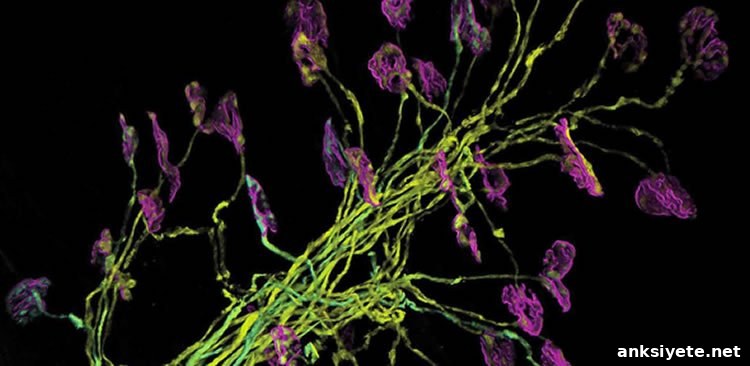
Summary: New research identifies molecular signals that explain why some neurons are vulnerable to death in Alzheimer’s disease while neighboring neurons remain intact. Source: Gladstone Institute In Alzheimer’s disease, certain neurons progressively degenerate and die, causing the gradual loss of memory and cognitive abilities. Yet this degeneration is not uniform: some neuronal subtypes and even … Read more
Why Innuendo Alone Fuels Conspiracy Theories

featured 51901

Summary: A new study finds that innuendo and implicit cues in news coverage can increase belief in conspiracy theories. Researchers report that suggesting correlations or including misleading details—even without explicit claims—can lead readers to accept false conclusions. Source: University of Exeter Innuendo in news coverage can fuel belief in conspiracy theories, new research shows News … Read more

Stem Cell Therapy Restores Function After Spinal Cord Injury

featured 101046

Summary: A phase 1 clinical trial from the Mayo Clinic reports that stem cells taken from patients’ own fat tissue were safely administered and were associated with measurable improvements in sensation and movement for people with traumatic spinal cord injuries. Of the 10 adults treated, seven improved by at least one level on the ASIA … Read more

How Neurons Adapt Their Motion Processing

featured 65878

Summary: Neurons in the ventral intraparietal (VIP) area of the brain can flexibly switch the coordinate system they use to represent object motion. This adaptive coding allows the same neural population to represent motion relative to the head or relative to the world depending on the task, a finding that may inform future neural prosthetics … Read more

Brain Processes Sounds and Words Separately but Simultaneously

featured 76725

Summary: New research shows auditory and speech processing happen in parallel across the human auditory cortex, challenging the long-standing idea that sound is processed first and then converted into linguistic representations in a strictly serial fashion. Source: Cell Press Neuroscientists have identified a parallel processing pathway in the human brain that handles the sounds of … Read more

Brief Vigorous Activity Boosts Longevity, Study Finds

featured 87588

Summary: Brief, vigorous activity bouts as short as two minutes—accumulating about 15–16 minutes per week—were linked to meaningful reductions in risk: roughly an 18% lower risk of death and a 15% lower risk of cardiovascular disease. Increasing vigorous activity to about 53 minutes per week corresponded to a roughly 36% lower risk of death from … Read more

Modeling Neuronal Network Interactions

featured 15118

A highly accurate model of how neurons behave during complex movements could improve our understanding of motor control and help build robotic limbs that move more naturally. Researchers at the University of Cambridge, together with colleagues from the University of Oxford and the Ecole Polytechnique Fédérale de Lausanne (EPFL), have developed a new neural network … Read more

Skin-Plumping Hyaluronic Acid Linked to Neuroinflammation

featured 57940

Summary: Hyaluronic acid — a naturally occurring molecule best known for its use in cosmetics and joint therapies — may act as a critical messenger that transfers immune signals from the bloodstream into the brain, triggering microglia and driving neuroinflammation. New research from Florida Atlantic University identifies this unexpected role and points to potential ways … Read more

Study Links Autism to Mutations in Noncoding DNA

featured 56596

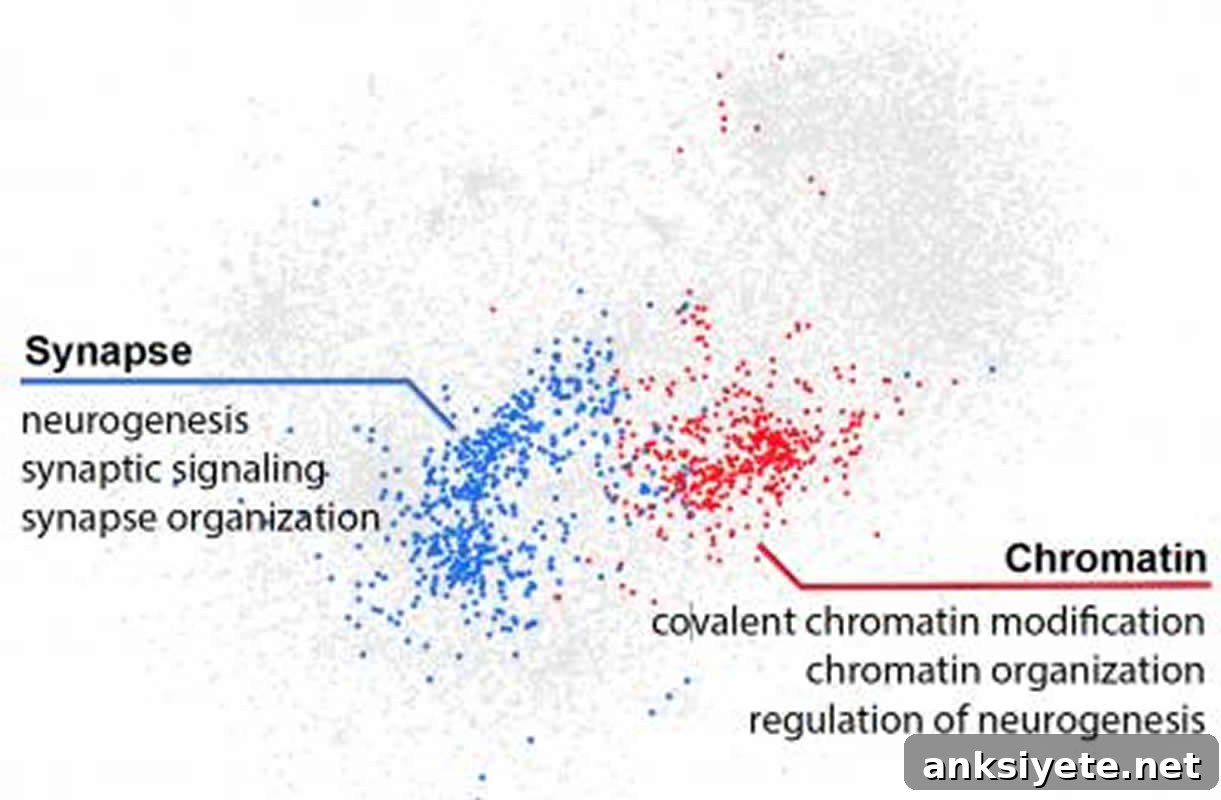
Summary: Using artificial intelligence, researchers have identified spontaneous mutations in noncoding regions of the human genome that may contribute to autism. These regulatory mutations are associated with altered gene expression in the brains of children with autism spectrum disorder (ASD) and overlap genes already linked to neuronal development, migration and synaptic function. Source: Simons Foundation … Read more

How the Brain Recognizes Real vs Fake Faces: New Study

featured 15005

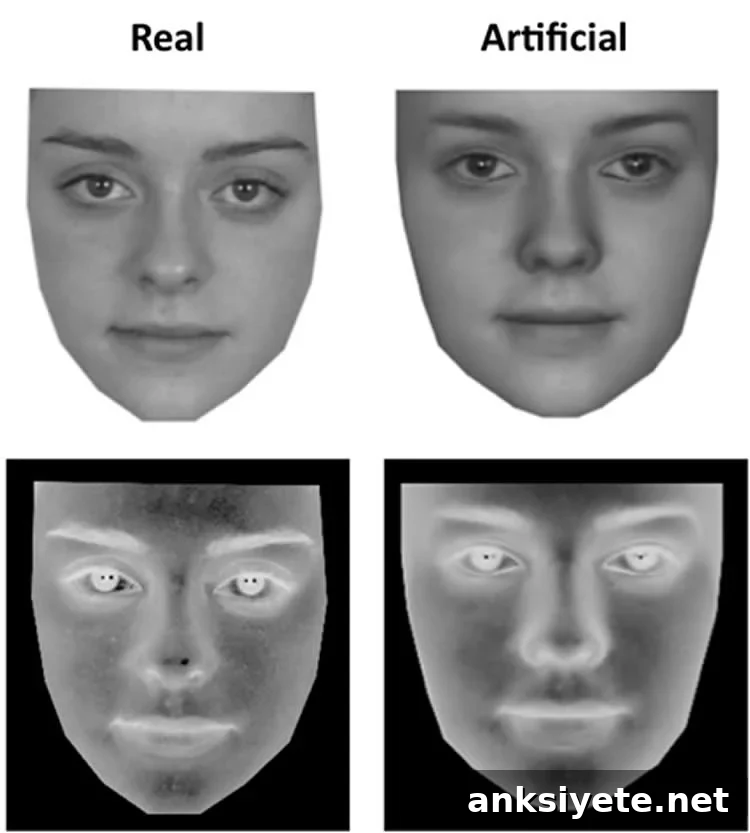
Faces fascinate us from infancy. We seek out familiar or friendly faces in a crowd, and creators in fields such as video games and film work to make faces appear convincingly human. Dr. Benjamin Balas of North Dakota State University (NDSU) and the Center for Visual and Cognitive Neuroscience studies how the brain decides whether … Read more