Laugh Off Mistakes to Overcome Embarrassment

featured 115087

Summary: We often assume that showing embarrassment after a small social stumble—like tripping, waving at the wrong person, or forgetting a name—demonstrates humility and respect for social norms. New research indicates that when the error is minor and harmless, laughing at yourself is usually a better way to recover your reputation. Self-amusement signals confidence, reduces … Read more

Do I Like You? How Group Impressions Form in Milliseconds

featured 28363

Freiburg scientist decodes brain processes behind subconscious social evaluation People form quick social judgments—often within milliseconds—about whether someone seems likeable or not. Dr. Bastian Schiller, a psychologist and neuroscientist affiliated with the University of Freiburg, together with a research team at the University of Basel, has identified the subconscious brain processes and their precise timing … Read more

How Hand Amputation and Reattachment Rewire the Brain

featured 41090

Summary: Researchers identified specific neurochemical changes in brain regions that reorganize after hand amputation, and found that some of these changes may remain even after surgical reattachment or transplantation of the hand. How Hand Amputation and Reattachment Affect the Brain Source: University of Missouri Columbia. When a hand is lost through amputation, the nerves that … Read more

Skin-Like Electronic Skin That Senses Touch

featured 69483

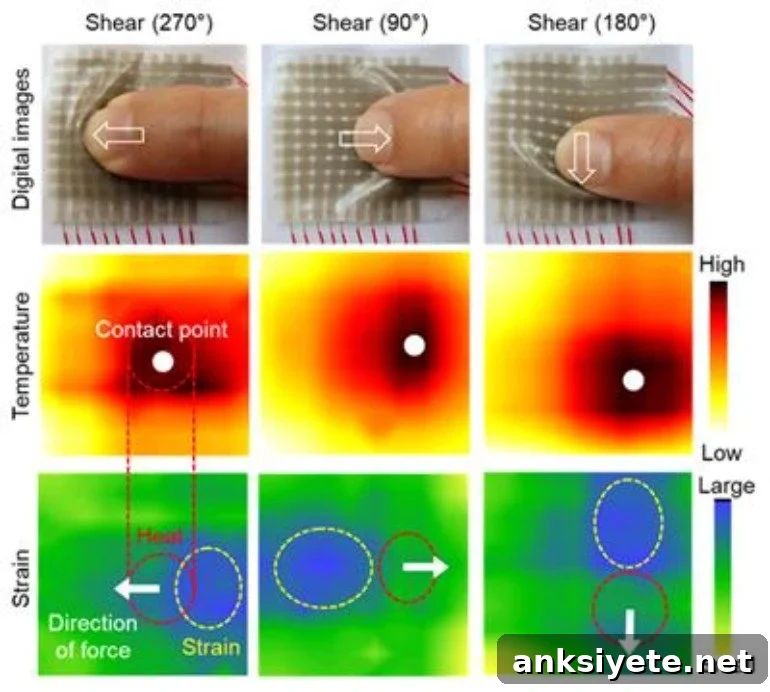
Summary: Researchers have created a multimodal ion-electronic skin capable of simultaneously detecting temperature and mechanical stimuli with high fidelity. Source: POSTECH Human skin is far more than a passive barrier: it is a finely tuned sensory organ that detects temperature, pressure, stretching and pain, and converts those inputs into electrical signals that the nervous system … Read more

Early Alzheimer’s Symptoms: What to Watch For

featured 37028

Summary: Researchers confirm that both amyloid beta and tau proteins are present together in brain regions tied to memory and information processing during the very early stages of Alzheimer’s disease. Source: University of Aberdeen. University of Aberdeen researchers identify early co-occurrence of amyloid beta and tau in memory-related brain regions Researchers at the University of … Read more

Study Reveals Subtle Behaviors That Signal Romantic Interest

featured 19312

Flirting Styles Reveal Attraction: What a Short Conversation Can Show If you want to know whether someone is flirting with you, pay attention to both what they say and how they act. People communicate attraction in different ways, and new research suggests that a brief get-to-know-you conversation reveals the approach each person naturally uses to … Read more

How Poor Social Skills Can Harm Your Health

featured 44712

Summary: People who struggle in social settings may face higher risks of both physical and mental health problems, according to researchers. Source: University of Arizona New research from the University of Arizona suggests that difficulty with social interactions can increase the likelihood of both mental and physical health problems. Researchers found that individuals with weaker … Read more

Gut Microbiome Linked to Autism Symptoms

featured 102071

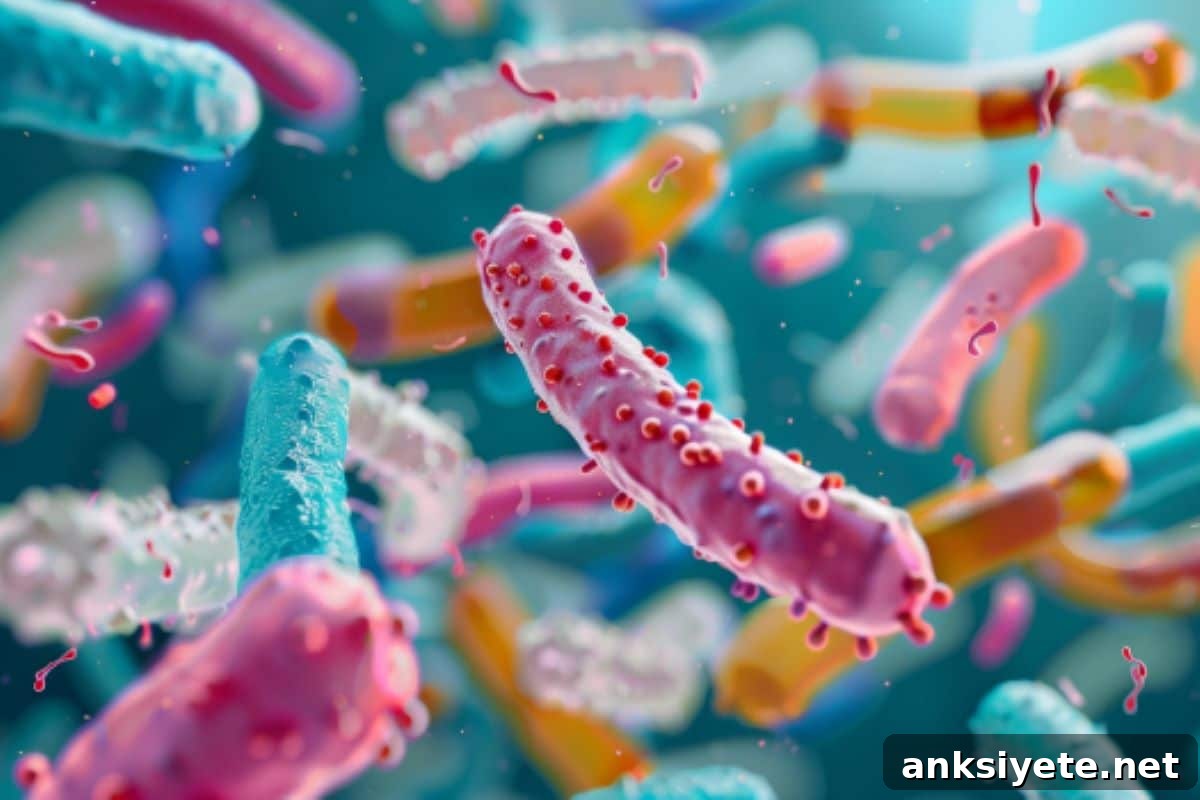
Summary: A new study from the University of Utah Health reveals a strong influence of gut microbes on behavior. In mice, recurring gastrointestinal (GI) distress reduced social engagement—an effect that persisted after GI symptoms resolved—and introducing specific bacterial strains reversed both intestinal injury and the associated social changes. This research highlights the gut microbiome as … Read more

Toxic Brain Cells Could Underlie Neurodegenerative Diseases

featured 38494

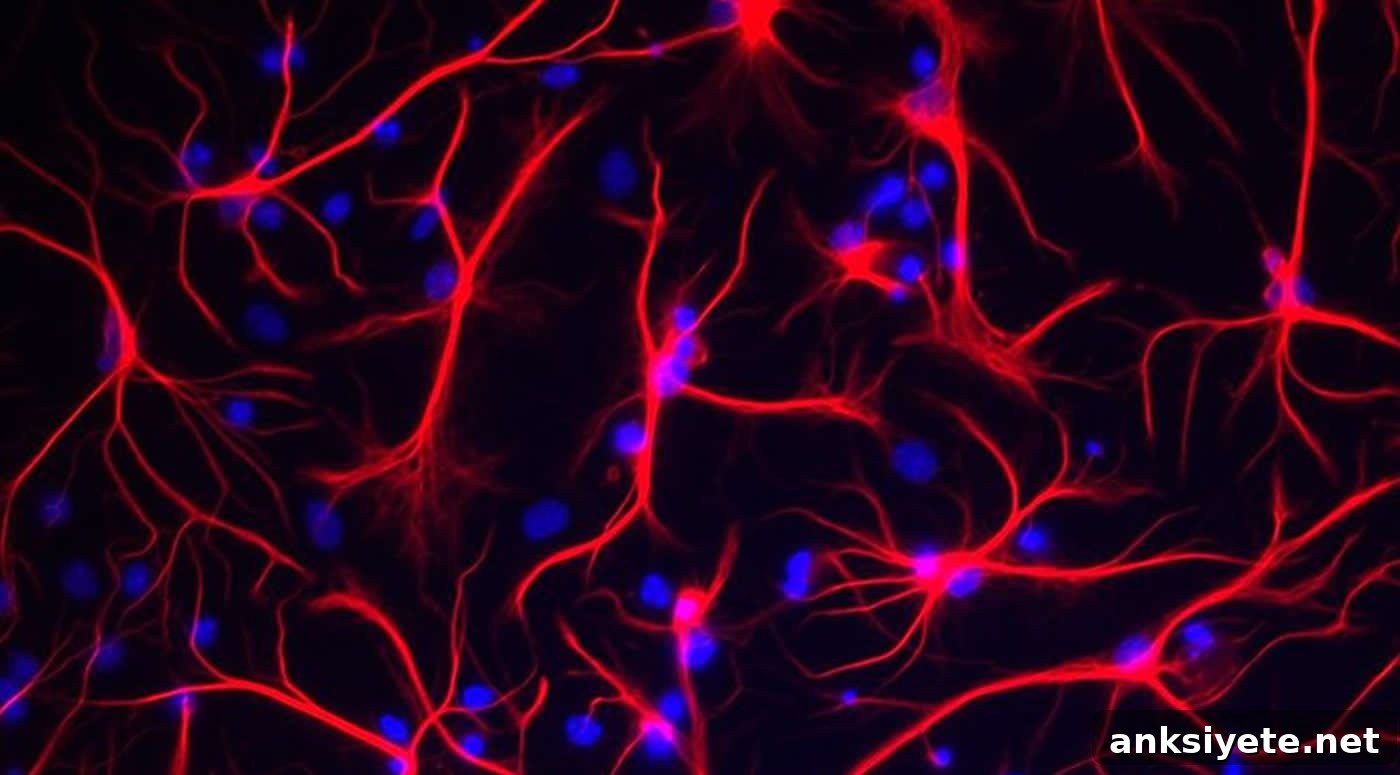
Summary: New research indicates that astrocytes can become toxic and may drive many neurodegenerative diseases. Source: Stanford. Astrocytes — brain cells roughly four times more abundant than neurons — perform many essential support functions in the central nervous system. Researchers at Stanford University School of Medicine now report that under certain conditions these cells can … Read more

New Engineered Protein Prevents Alzheimer’s in Mice, Study Finds

featured 57129

Summary: Researchers injected a modified segment of the amyloid precursor protein into mouse models of Alzheimer’s disease. The treatment appeared to reverse several cognitive and memory deficits associated with the neurodegenerative condition. Source: University of Chicago The amyloid precursor protein (APP) has long been implicated in Alzheimer’s disease, mostly because one of its fragments—amyloid-beta (Aβ)—can … Read more