
Summary: Researchers injected a modified segment of the amyloid precursor protein into mouse models of Alzheimer’s disease. The treatment appeared to reverse several cognitive and memory deficits associated with the neurodegenerative condition.
Source: University of Chicago
The amyloid precursor protein (APP) has long been implicated in Alzheimer’s disease, mostly because one of its fragments—amyloid-beta (Aβ)—can detach, accumulate in the brain, and form the familiar senile plaques linked to the disorder.
In a recent study published in Cell Reports, scientists at the University of Chicago report a different side of APP: a portion of the protein that, when modified and retained at the cell membrane, supports signaling pathways that protect against memory decline in mice genetically programmed to develop Alzheimer’s-like pathology.
When does APP act as a villain, and when can it act to defend memory?
A long-neglected segment
Most work on APP has focused on the short Aβ fragment embedded in its sequence, viewed as the primary pathogenic element. But Angèle Parent, associate professor of neurobiology, and her team examined other regions of APP and found that a less-studied intracellular segment plays an important role in forming and consolidating spatiotemporal memories.
This neglected segment, when anchored to the cell membrane, participates in signaling that promotes memory formation. To test this, the researchers engineered a lipid-anchored version of APP’s intracellular domain—called mAICD—and delivered it into the brains of newborn mice using a viral vector that drives strong expression of the modified segment. Six months after the injection, the outcomes were notable.
The mice used in the study were engineered to develop a severe, early-onset form of Alzheimer’s-like disease. Under normal circumstances, these mice would display significant memory and cognitive impairments by six months of age—comparable to young adulthood in humans. However, mice that expressed high levels of mAICD showed markedly improved memory performance compared with affected control animals.
To assess spatiotemporal memory, the team used behavioral tests that rely on rodents’ natural curiosity and their tendency to ignore familiar objects or locations. Mice expressing mAICD were able to recognize and appropriately respond to familiar objects and environments, while control mice carrying the Alzheimer’s-linked genes but expressing a less effective version of the segment failed to recognize previously explored items and places.
“When we looked at the mice with the mAICD, they became almost normal,” Parent said. It was as if these animals had not developed the expected memory deficits.
The multifunctional protective role of APP
The lipid-anchored mAICD was effective at preventing memory decline when it was expressed during brain development. The team is now testing whether boosting mAICD expression later in life can improve cognition in adult mice that already show Alzheimer’s-like symptoms.
Parent and colleagues emphasize that APP is a multifunctional protein. Beyond its role as a precursor to Aβ, APP contributes to neuronal development and synaptic function. Its intracellular domain appears to interact with intracellular signaling partners, such as the GαS subunit of heterotrimeric G-proteins, to promote APP retention at the cell surface, reduce production of amyloidogenic fragments, support axodendritic growth, and preserve cellular substrates required for memory.
These diverse actions mean APP can play contradictory roles—contributing to pathology through Aβ generation in some contexts, while supporting memory and neuronal health through other domains and mechanisms. The University of Chicago team describes this duality as both a challenge and an opportunity: by directing APP signaling toward protective pathways, it may be possible to prevent or slow memory decline, at least in experimental models.
Source:
University of Chicago
Media Contacts:
Shi En Kim – University of Chicago
Image Source:
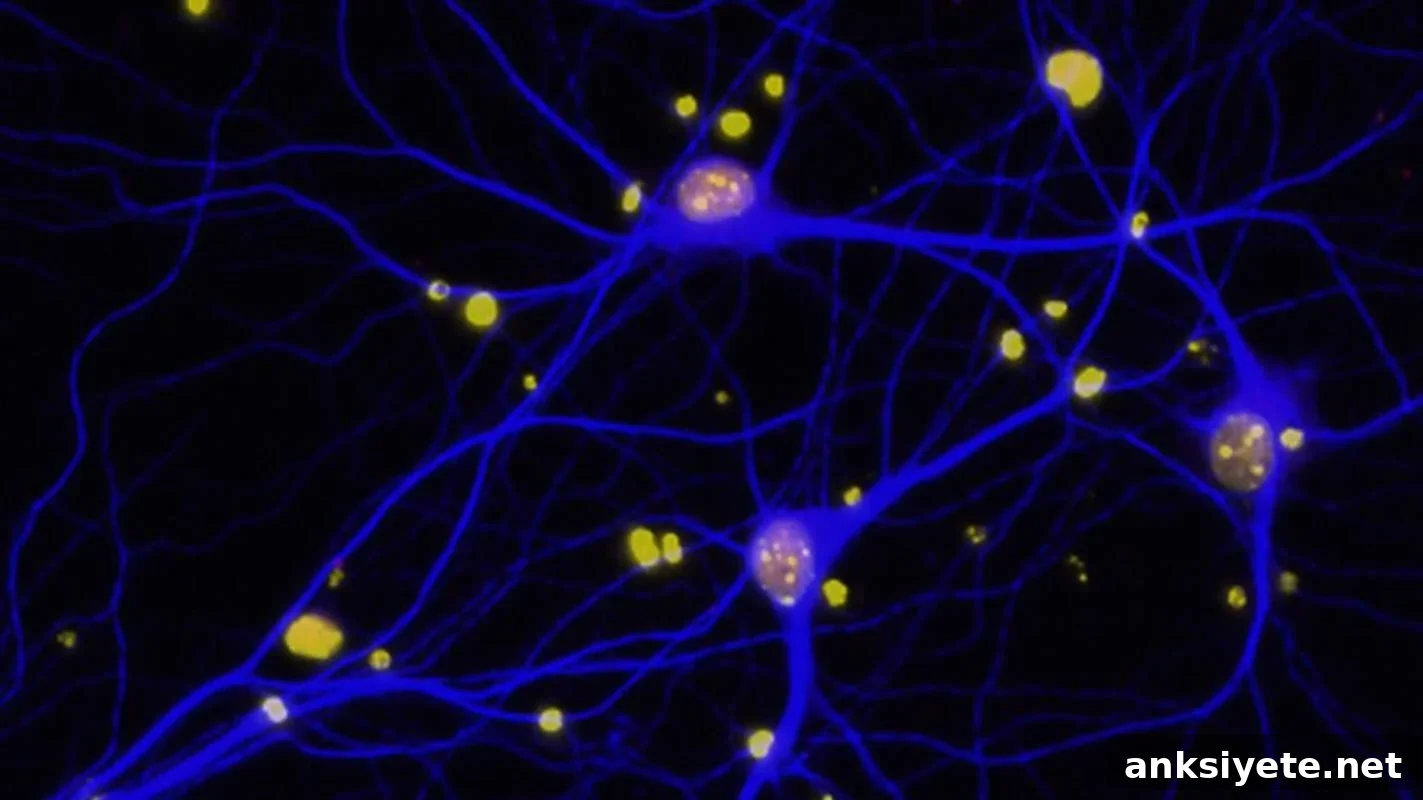
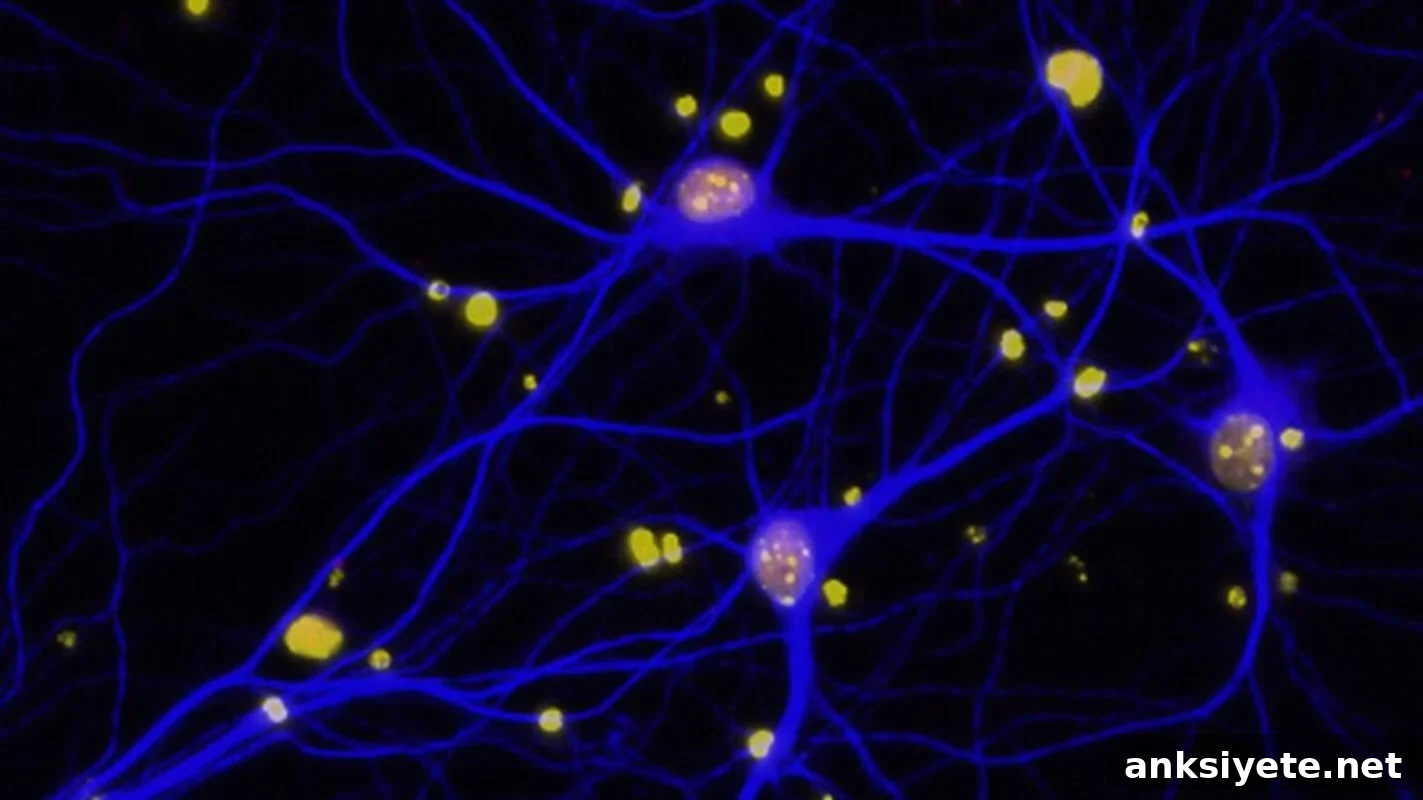
Image credited to NIH, Lennart Mucke, University of California, San Francisco.
Original Research: Open access
“APP-Mediated Signaling Prevents Memory Decline in Alzheimer’s Disease Mouse Model.” Angèle Parent et al. Cell Reports. DOI: 10.1016/j.celrep.2019.03.087
Abstract
APP-Mediated Signaling Prevents Memory Decline in Alzheimer’s Disease Mouse Model
Highlights
• Membrane retention of the APP C-terminal tail preserves spatial memory in an Alzheimer’s disease model.
• Interaction between APP and GαS reduces amyloidogenic processing of APP.
• An APP self-regulatory component promotes APP processing at the cell surface.
• Sustained APP signaling can alter the progression of Alzheimer’s pathology.
Summary
Amyloid precursor protein (APP) and its metabolites are central to Alzheimer’s disease biology. While short Aβ peptides derived from APP are pathogenic, the full-length APP holoprotein has important functions in the nervous system through cell-adhesion and receptor-like properties. This study focused on signaling mediated by APP’s cytoplasmic tail and tested whether sustained APP signaling during brain development enhances neuronal plasticity and memory by interacting with the stimulatory G-protein subunit GαS. The results indicate that APP’s intracellular domain autonomously regulates APP surface residence, limits Aβ production, supports axodendritic development, and preserves cellular components of memory. Together, these effects strengthen cognitive function and can modify the course of Alzheimer’s-like pathology in the mouse model.