Unexpected Spinal Cord Signals Reveal New Brain-Body Link

featured 59615

Summary: A new study from the University of Copenhagen challenges long-standing ideas about how spinal cord neurons generate rhythmic movement. The findings indicate that motor activity arises from a widely distributed, sparse network of spinal neurons in which each cell connects to only a few others, rather than from a compact, metronome-like command center. Source: … Read more


How Social Isolation Impairs Memory and Information Processing

featured 76556

Summary: Around 30% of people reported changes in cognition, memory lapses, and difficulties processing information linked to the social isolation imposed by pandemic lockdowns. Source: University of New South Wales Researchers have identified a “Groundhog Day” effect from lockdowns that can impair everyday memory and cognitive function. Although detailed Australian data are still limited, a … Read more

Why Babies Prefer Listening to Other Babies

featured 48621

Summary: New research from the Acoustical Society of America shows that infants prefer the vocal sounds of other babies over adult voices. In laboratory tests, five-month-old infants listened about 40% longer to vowel-like sounds produced with infant vocal characteristics than to the same sounds produced with adult vocal characteristics. Source: Acoustical Society of America. Infants … Read more

How Brain Self-Organization Shapes Development

featured 102381

Summary: Researchers report that the cerebral cortex can self-organize during early development, converting disordered inputs into regular, large-scale activity patterns. This process follows mathematical principles seen in other natural systems, and disturbances to these patterns could alter sensory processing and contribute to neurodevelopmental conditions such as autism. Key Facts: The developing cortex can generate organized … Read more

EEG Neurofeedback: Real Benefits or Placebo?

featured 31851

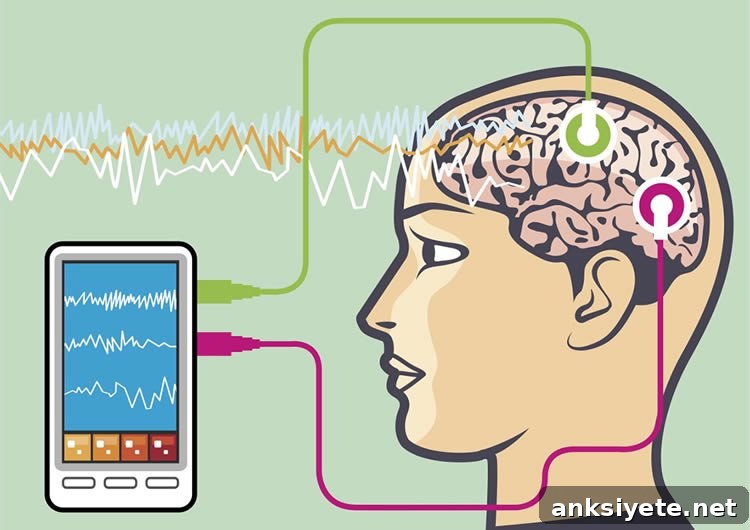
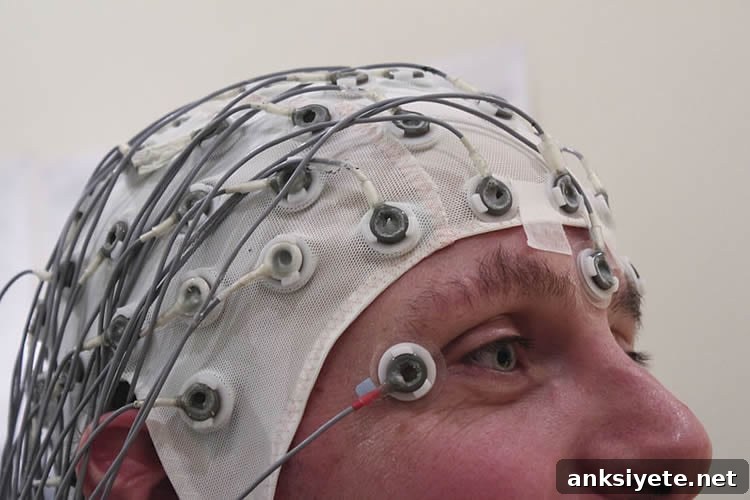
Summary: A new analysis argues that many clinical improvements attributed to EEG neurofeedback are more likely the result of placebo effects rather than specific brain-based changes. Source: McGill University Overview: Neurofeedback using electroencephalography (EEG) has grown into a widespread alternative therapy, with thousands of practitioners worldwide and claims that it can enhance normal brain function … Read more

Scientists Find Brain Neurons That Light Up at Food Images

featured 85758

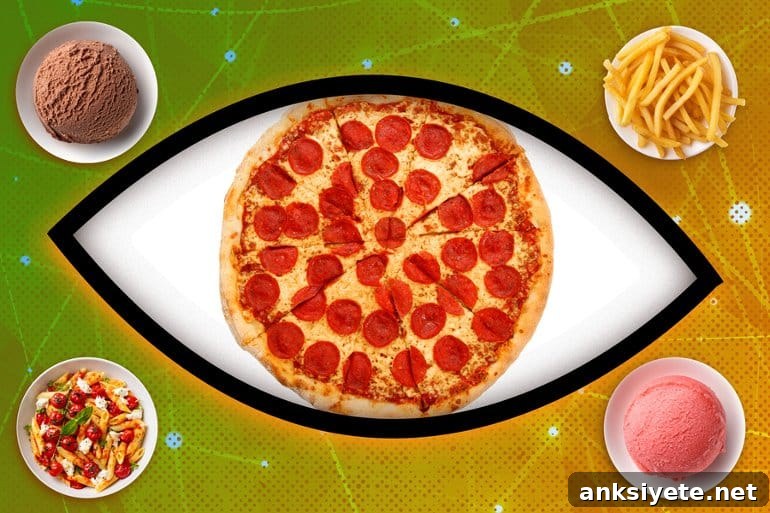
Summary: Images of food reliably activate a newly identified population of food-responsive neurons in the ventral visual stream. Researchers suggest this neural tuning could reflect the cultural and behavioral importance of food for humans. Source: MIT A gooey slice of pizza. A pile of crispy French fries. Ice cream melting down a cone on a … Read more

How Distinct Brain Circuits Track Decision Outcomes

featured 23317

To avoid repeating mistakes and to learn to make better choices, the brain must accurately evaluate the consequences of our decisions. Exactly how the brain carries out this learning during value-based decision making has remained unclear—until now. A team of neuroscientists from the Institute of Neuroscience and Psychology at the University of Glasgow has provided … Read more

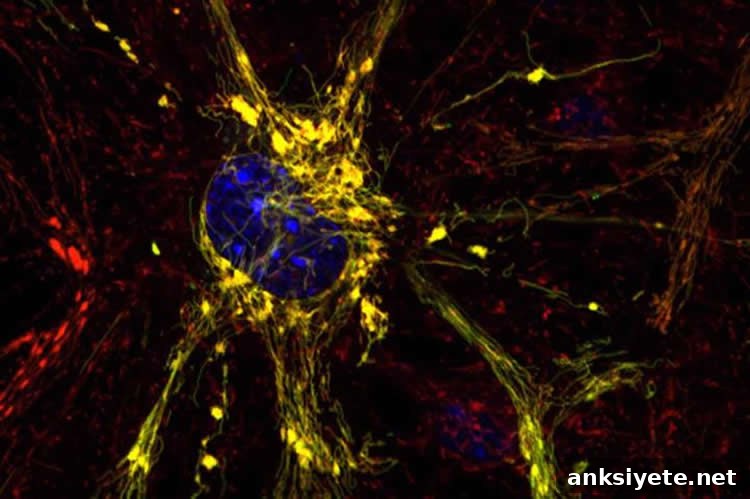
New Treatment Strategy for Charcot-Marie-Tooth Disease

featured 35297

Summary: New research points to peptide compounds that may correct mitochondrial dysfunction underlying Charcot-Marie-Tooth disease and related conditions. Source: WUSTL. Research leads to development of compounds to correct mitochondrial dysfunction Charcot-Marie-Tooth disease (CMT) is an inherited neurodegenerative disorder that progressively damages motor neurons and often leads to loss of mobility. The condition arises from genetic … Read more

How a Signaling Pathway Suppresses Brain Tumor Growth

featured 26082

Researchers at the University of Basel examined a conserved cellular signaling pathway and discovered it can suppress the development of particular brain tumor subtypes. Their findings were published in the journal Cancer Cell. Gliomas are the most common primary brain tumors in adults, and many patients face a poor prognosis. Developing new and effective treatments … Read more

How Daytime Naps Affect Learning in Children with Down Syndrome

featured 52154

Summary: A University of Arizona study reports that while afternoon naps support memory and learning in typically developing preschoolers, naps may worsen memory retention in children with Down syndrome. Researchers at the University of Arizona have found that naps do not benefit all children equally. For typically developing preschoolers, a nap shortly after learning boosts … Read more