
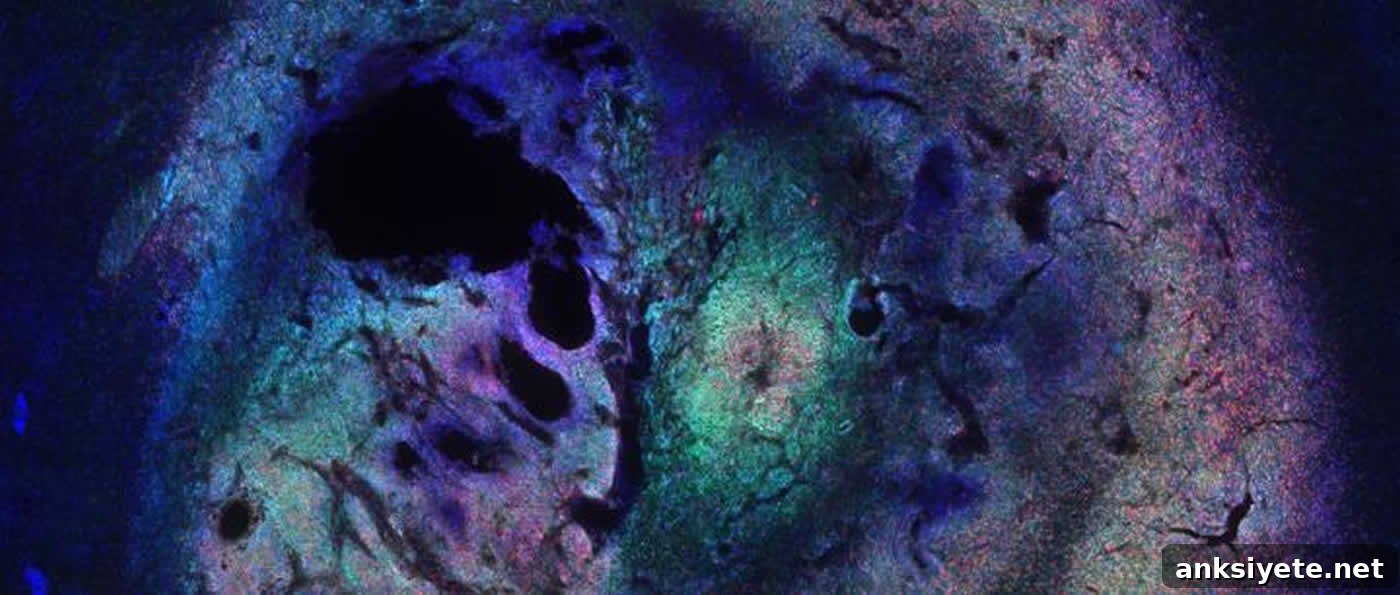
Researchers at the University of Basel examined a conserved cellular signaling pathway and discovered it can suppress the development of particular brain tumor subtypes. Their findings were published in the journal Cancer Cell.
Gliomas are the most common primary brain tumors in adults, and many patients face a poor prognosis. Developing new and effective treatments for glioma depends on a clearer understanding of the cellular and molecular processes that drive these tumors. The University of Basel team focused on the biology underlying glioma formation to identify potential therapeutic and diagnostic targets.
Stem cells as a potential source of glioma
It remains debated which brain cell types can give rise to gliomas after acquiring cancer-driving mutations. One prominent hypothesis is that neural stem cells are a likely cell of origin. In the healthy brain, stem cells produce new neurons and glial cells through tightly regulated proliferation and differentiation. If those controls are disrupted—through excessive cell division or failed differentiation—stem cells may form tumors.
Led by Professor Verdon Taylor from the Department of Biomedicine, the research team investigated whether a molecular mechanism that normally governs neural stem cell maintenance is co-opted by cancer cells during glioma development. Their goal was to determine whether manipulating that mechanism could influence tumor growth and clinical outcome.
Active Notch signaling suppresses certain gliomas
The investigators focused on the Notch signaling pathway, a highly conserved mechanism that regulates neural stem cell behavior. Notch signaling has been implicated in both normal neural stem cell maintenance and in cancer stem cell activity. Prior work suggested that abnormal Notch activation might promote glioma growth. Surprisingly, the Basel group found the opposite in particular tumor subtypes: active Notch signaling reduced tumor formation. Claudio Giachino, first author of the study, explains that when the Notch pathway is activated in these models it suppresses the emergence and progression of some glioma forms. Conversely, loss of Notch activity in other glioma contexts accelerated tumor growth and produced more aggressive disease.
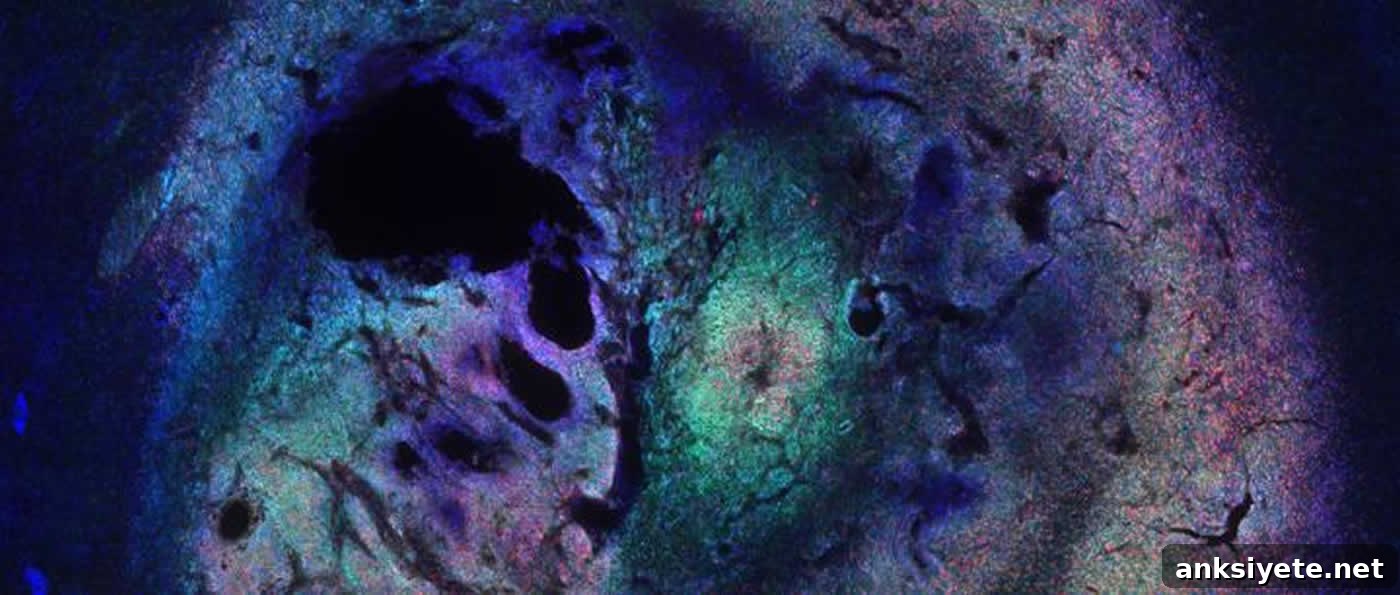
Because Notch activity can have divergent effects depending on glioma subtype, the pathway may have dual utility: as a therapeutic target in tumors where Notch activation limits growth, and as a diagnostic or prognostic marker where Notch status correlates with patient outcome. Professor Taylor emphasizes that gliomas that appear similar under the microscope can differ substantially at the molecular level, and that careful molecular characterization will be essential when selecting targeted therapies in the future.
Source: Yannik Sprecher – University of Basel
Image credit: University of Basel, Claudio Giachino / Verdon Taylor
Original research: The study is reported in the open-access article “A Tumor Suppressor Function for Notch Signaling in Forebrain Tumor Subtypes” by Claudio Giachino, Jean-Louis Boulay, Robert Ivanek, Stefan Pfister, Marcel Kool, and Verdon Taylor in Cancer Cell, published online December 4, 2015. doi:10.1016/j.ccell.2015.10.008
Abstract summary
The Notch signaling pathway, while known to maintain normal neural stem cells and cancer stem cells, was found to have an unexpected tumor-suppressing role in certain forebrain tumor subtypes. In mouse models driven by PDGF signaling, genetic inactivation of key Notch components such as RBP-Jk or the Notch1 and Notch2 receptors accelerated glioma growth. By contrast, genetic activation of Notch reduced glioma growth and improved survival in these models. In human tumor samples, higher Notch activity strongly correlates with specific glioma subtypes, lower tumor grade, and better patient survival. The study also shows that combined loss of RBP-Jk and p53 in mice can give rise to primitive neuroectodermal-like tumors, indicating interaction between Notch signaling and p53-dependent pathways. Overall, these results suggest that Notch signaling, in cooperation with p53, can limit cell proliferation and restrict tumor growth in models that reflect human brain tumor biology.