
Summary: A new analysis argues that many clinical improvements attributed to EEG neurofeedback are more likely the result of placebo effects rather than specific brain-based changes.
Source: McGill University
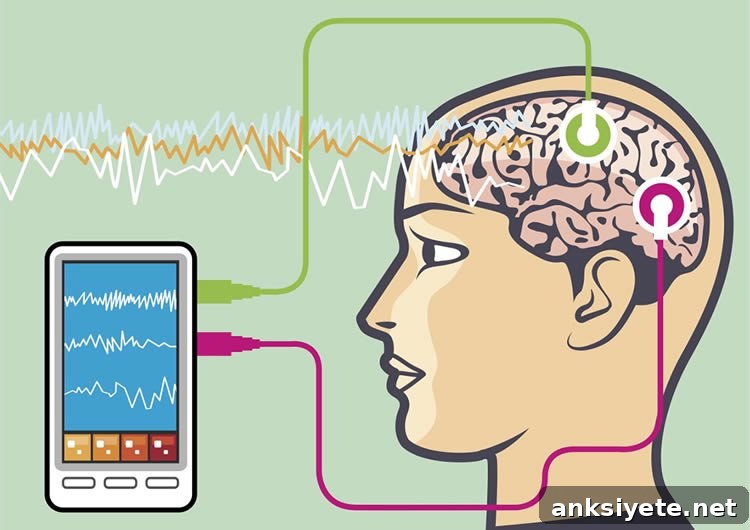
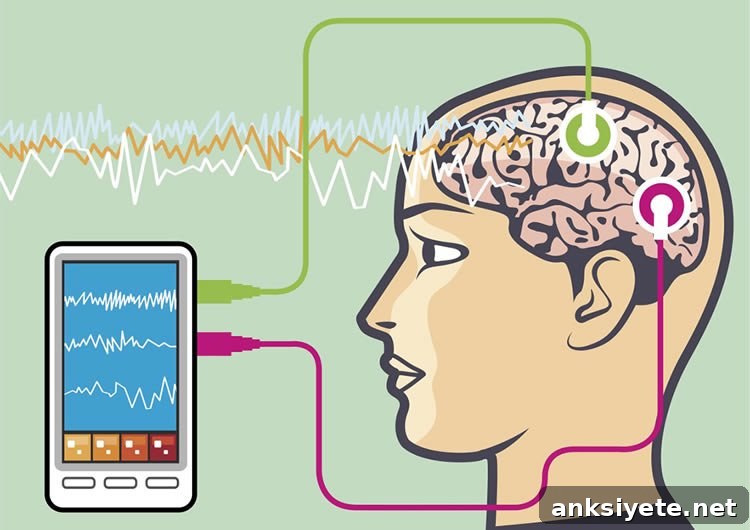
Overview: Neurofeedback using electroencephalography (EEG) has grown into a widespread alternative therapy, with thousands of practitioners worldwide and claims that it can enhance normal brain function and treat a wide range of mental health disorders—from attention deficit hyperactivity disorder (ADHD) and anxiety to addiction and insomnia. After a detailed review of the scientific literature and consultations with experts in Europe and North America, McGill University researchers Robert Thibault and Amir Raz conclude that the clinical benefits reported for EEG neurofeedback are often indistinguishable from placebo effects.
Published in Lancet Psychiatry, the paper reviews evidence from randomized controlled trials and controlled comparisons that include sham neurofeedback conditions. The authors report that sham neurofeedback—procedures that mimic real neurofeedback but do not provide genuine brain-derived feedback—produces clinical improvements comparable to those seen with authentic EEG-based neurofeedback. The finding raises questions about whether commonly reported treatment gains reflect direct modulation of brain activity or instead arise from non-specific factors such as expectancy, therapeutic contact, attention, and other psychological or social influences.
Thibault and Raz emphasize that patients often invest substantial time and money in neurofeedback, sometimes committing to many sessions over months. Yet the current evidence base does not consistently demonstrate that EEG neurofeedback produces specific, reliable changes in clinical outcomes beyond what is achieved by well-controlled sham conditions. As the authors put it, many patients may be “chasing elusive brain-based processes” when, according to available trials, improvements can be explained by non-specific therapeutic factors.
Recommendations and implications for future research are a central part of the authors’ message. They argue that if neurofeedback is to join mainstream clinical practice as an evidence-based intervention, it must satisfy three core requirements: (1) demonstrate effectiveness at least equivalent to standard-of-care treatments in randomized controlled trials for each condition it claims to treat; (2) consistently outperform rigorous, closely matched control conditions such as sham neurofeedback; and (3) provide plausible, reproducible mechanisms that explain how training alters brain function in ways that produce clinical benefit.
Given the present findings, the authors call for a shift in scientific focus. Instead of only refining neurofeedback protocols or searching for subtle EEG markers, researchers should investigate the psychological and social processes that produce measurable clinical improvement in neurofeedback settings. This includes studying participant expectations, therapist–patient interactions, and other contextual variables, and then exploring how those factors might be harnessed in ways that are both scientifically rigorous and ethically acceptable.
One qualified note of optimism in the review concerns nascent work on neurofeedback that uses real-time functional magnetic resonance imaging (fMRI) rather than EEG. Early data from fMRI-based neurofeedback appear to offer a more promising, though still tentative, path toward enabling participants to self-regulate specific brain regions. However, the authors stress that fMRI approaches also require careful controlled trials, mechanistic validation, and ethical scrutiny before they can be endorsed as clinically effective.
Source: Cynthia Lee, McGill University
Original research: Thibault, R. T., & Raz, A. (2016). “When Can Neurofeedback Join the Clinical Armamentarium?” Lancet Psychiatry. Published online June 1, 2016. doi:10.1016/S2215-0366(16)30040-2
- Current randomized controlled evidence suggests that sham EEG neurofeedback often produces clinical benefits comparable to real EEG neurofeedback.
- To be accepted as evidence-based, neurofeedback must match or exceed standard treatments in trials, beat well-matched placebo controls, and demonstrate clear mechanisms of action.
- Researchers should investigate psychological and social contributors to improvement and design ethically sound ways to apply those elements.
- Early fMRI-based neurofeedback studies show potential but require further rigorous evaluation.
Abstract excerpt
When Can Neurofeedback Join the Clinical Armamentarium?
Neurofeedback is reported to enhance normal brain function and to treat diverse disorders, including ADHD, epilepsy, depression, anxiety, insomnia, autism spectrum disorder, and alcoholism. Despite a long clinical history, skepticism remains about its clinical utility. The authors argue that for neurofeedback to earn widespread recognition as evidence-based medicine it must (1) perform at least on par with standard-of-care treatments in randomized controlled trials for each target condition; (2) consistently outperform highly comparable placebo conditions such as sham neurofeedback; and (3) establish a clear, reproducible mechanism for the claimed therapeutic benefits.