How MRI Evokes Emotional Responses to Faces

featured 34099

Summary: An MRI feedback method induced specific feelings about people’s faces, new research reports. Source: Brown University. Volunteers who began the experiment feeling neutral about certain faces later adopted feelings that researchers induced using an MRI feedback technique, without their awareness, according to a newly published study. The research, published in PLOS Biology, indicates that … Read more


Can Brain Evidence Be Used Against You in Court?

featured 46507

Summary: Researchers raise ethical concerns about applying neuroscientific techniques in legal settings and the potential risks to individual rights. Source: Frontiers. As neuroscientific tools improve, their use in courts and investigations is expanding — from brain scans proposed to detect deception to neural markers claimed to reveal familiarity with a crime. But the technical ability … Read more

How Infants Use Mom’s Scent to Recognize Faces

featured 103760

Summary: A new study shows that infants use their mother’s scent to enhance face recognition, and that this multisensory advantage changes dramatically between four and twelve months of age. Researchers observed that younger infants rely more on maternal odor to recognize faces, while older infants increasingly depend on visual information alone. The results emphasize the … Read more

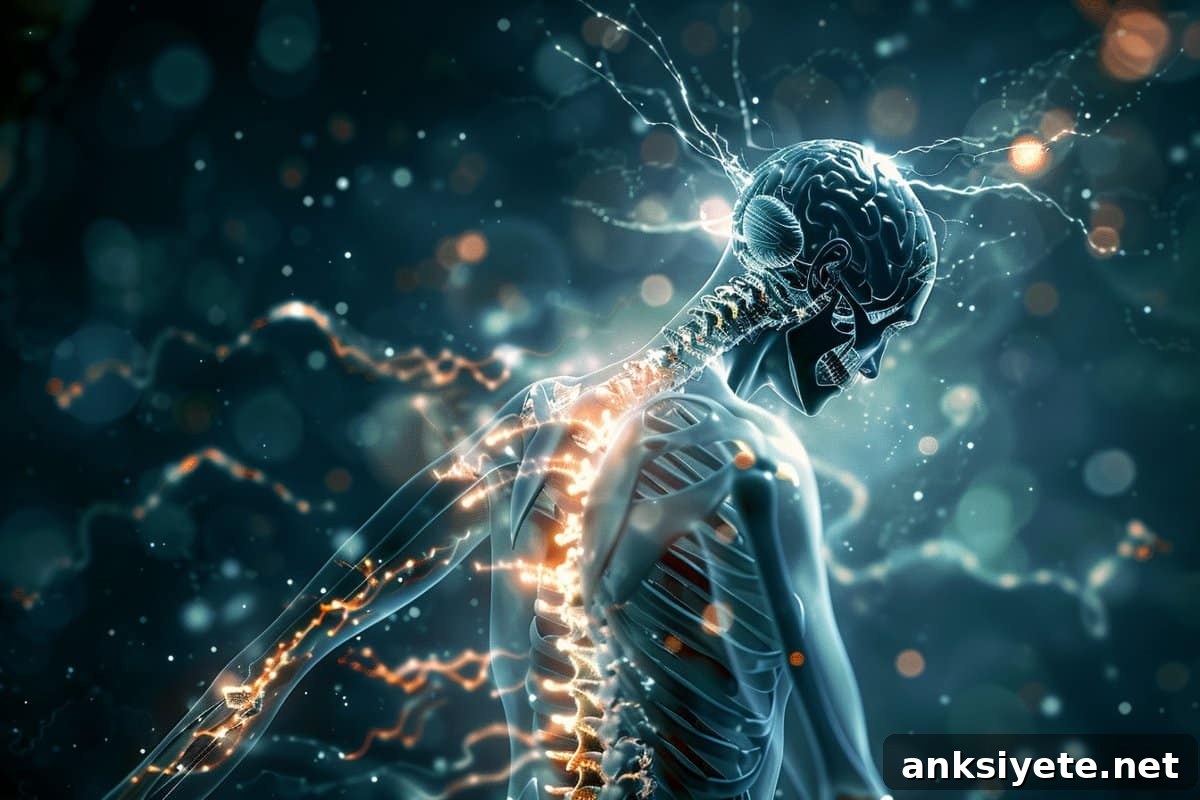
Spinal Cord Builds and Keeps Motor Memories Without the Brain

featured 101293

Summary: New research shows the spinal cord has intrinsic learning and memory capabilities, overturning the notion that it only relays messages between brain and body. Using an innovative behavioral setup, researchers identified two distinct inhibitory neuronal populations in the spinal cord that enable independent acquisition and recall of motor adaptations. These findings refine our understanding … Read more

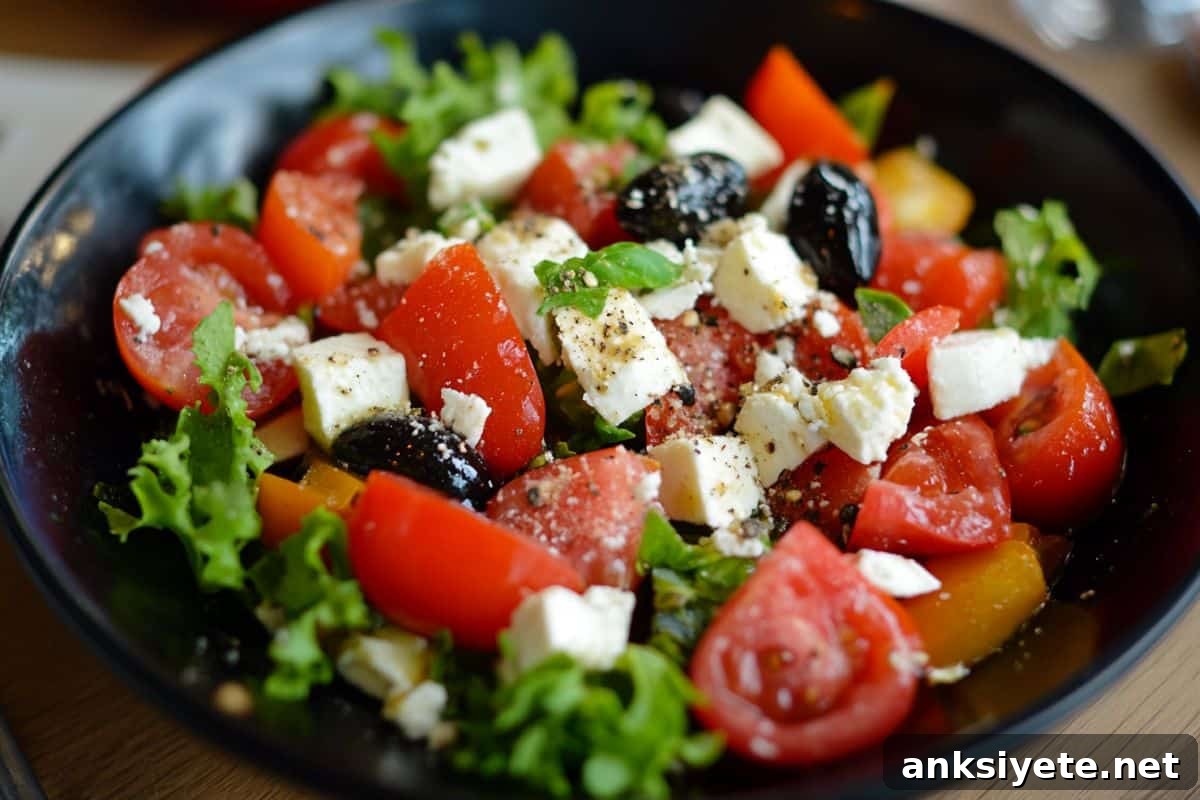
Mediterranean Diet Boosts Memory by Altering Gut Microbiome

featured 107315

Summary: A new Tulane University study finds that a Mediterranean-style diet can improve cognitive performance by reshaping the gut microbiota. In a controlled rodent experiment, rats fed a Mediterranean diet showed distinctive changes in gut bacteria that correlated with better memory, enhanced cognitive flexibility, and stronger working memory compared with rats fed a typical Western … Read more

Pregnant Women with Depression 3x More Likely to Use Cannabis

featured 62875

Depression Is Linked to Higher Cannabis Use During Pregnancy, National Study Finds Summary: Pregnant women who experience depression are significantly more likely to use cannabis than those without depressive symptoms. Among pregnant women with depression who perceived no risk from cannabis, prevalence of past-month use reached about 25 percent. Source: Columbia University Mailman School of … Read more

New Study Debunks Myths About Self-Centered People

featured 114358

Summary: A major international study of more than 45,000 participants shows that narcissism is a widespread personality trait found across cultures rather than a phenomenon unique to any single country. While nations varied in average scores, the highest overall levels were recorded in Germany, Iraq, China, Nepal, and South Korea; the United States ranked 16th. … Read more

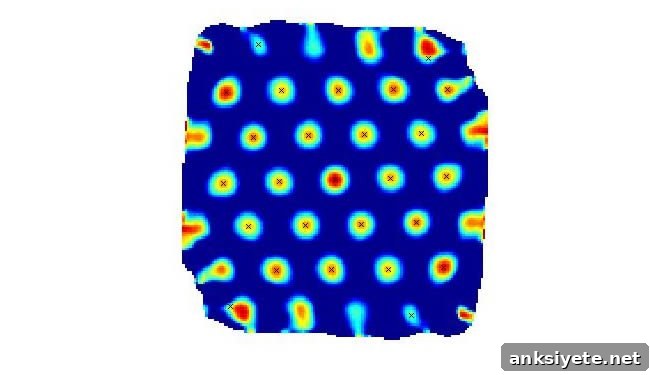
Grid Cells in Presubiculum and Parasubiculum Guide Navigation

featured 2099

Grid cells, a specialized type of neuron that helps the brain form internal maps for spatial navigation, have been identified in two additional brain regions of the rat: the presubiculum and the parasubiculum. Until recently, most research on grid cells focused on the medial entorhinal cortex, where these cells were originally characterized. The new findings … Read more

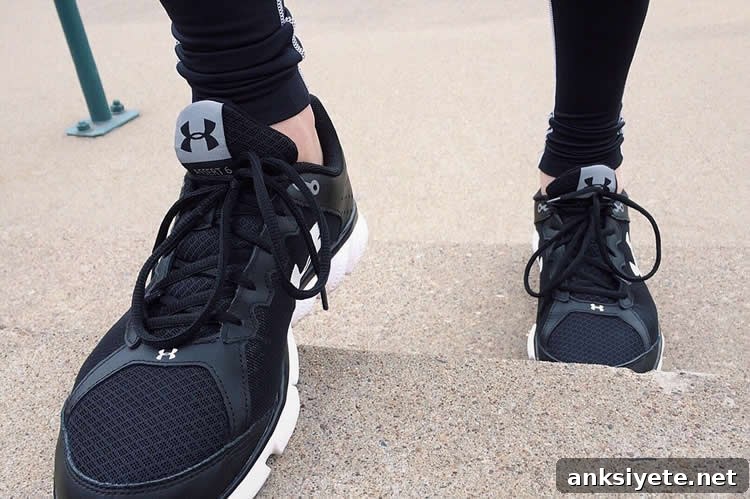
Study: Midlife Physical Activity Not Tied to Later Cognition

featured 43016

Summary: Contrary to some earlier reports, a long-term study led by Johns Hopkins researchers found no association between physical fitness in midlife and cognitive health in later life. The study did find that greater physical activity in later years correlated with modest short-term improvements in cognitive performance. Source: Johns Hopkins University. Johns Hopkins Bloomberg School … Read more

Mild Brain Stimulation Changes Decision Speed and Flexibility

featured 108765

Summary: A new study demonstrates that transcranial direct current stimulation (tDCS), a non-invasive brain stimulation technique, can influence the speed and flexibility of decision-making. Researchers applied stimulation to the dorsolateral prefrontal cortex (dlPFC)—a region central to planning and action selection—while participants performed simultaneous visual and auditory tasks and chose the order in which to complete … Read more