Why Cannabis Use Rose Among Older Americans During COVID-19

featured 98742

Summary: A new national study finds that cannabis use among older Americans rose during the COVID-19 pandemic. About 12% of adults aged 50–80 reported using a THC-containing product in the past year, and 4% reported using cannabis multiple times per week. The research links higher cannabis use to risky alcohol consumption and calls for expanded … Read more

What Biological Mechanisms Drive Depression?

featured 64526

Reduced Tubulin Acetylation in Membrane Lipid Rafts Linked to Depression Summary: Individuals with depression show higher levels of unmodified tubulin in membrane lipid rafts than non-depressed individuals, which may impair Gαs signaling and offer new avenues for diagnostics and treatment. Source: University of Illinois Key Findings Researchers at the University of Illinois at Chicago report … Read more

Brain Network Activity Predicts Risk of Depression

featured 47078

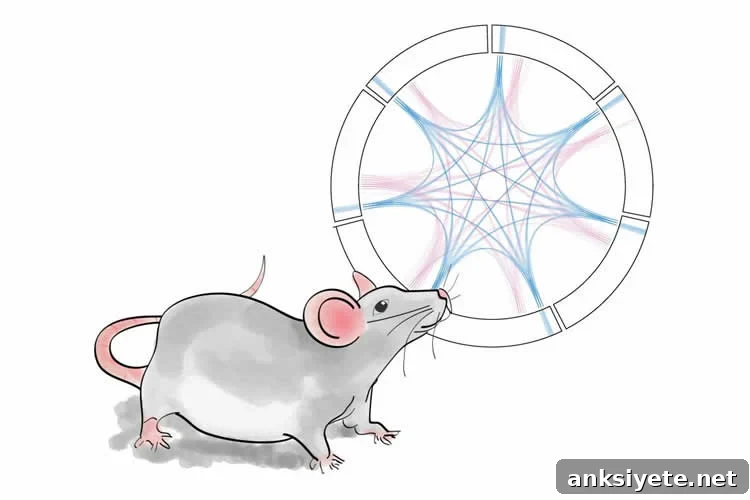
Summary: A new mouse study identifies distinct networks of brain electrical activity that predict which animals are more likely to develop depression-like responses after exposure to stress. Source: Duke University New research from Duke University suggests that patterns of electrical activity across multiple brain regions could reveal who is vulnerable to depression and, in the … Read more

How Tickling Reveals the Playful Secrets of Rats

featured 95898

Summary: Researchers have replicated playful, low-stress environments in the laboratory to study play and laughter in rats, measuring their vocalizations and brain activity. The study identifies the lateral column of the periaqueductal gray (PAG) as a key midbrain structure necessary for playful behavior and ticklish vocalizations. Suppressing that region reduced play and “laughter,” while anxiogenic … Read more

Restoring Sleep Cuts Amyloid-Beta in Alzheimer’s Mouse Model

featured 78646

Summary: Restoring normal sleep patterns by activating the thalamic reticular nucleus (TRN) with chemogenetic tools reduced the accumulation of amyloid-beta plaques in the brain in an animal model of Alzheimer’s disease. Source: Baylor College of Medicine Multiple studies in humans and in mouse models indicate that sleep disruption raises the risk of Alzheimer’s disease (AD) … Read more

How Delivery Method Influences Twins’ Psychological Development

featured 58155

Summary: New research suggests that the mode of delivery may influence neuropsychological development in twins. In a study of twin births, children delivered by cesarean section showed a statistically higher risk of lower cognitive and neuropsychological performance compared with twins born by vaginal delivery. Source: University of Malaga Overview of the study A multidisciplinary research … Read more

Specific Gene Variant Amplifies Empathy-Driven Fear in Mice

featured 48114

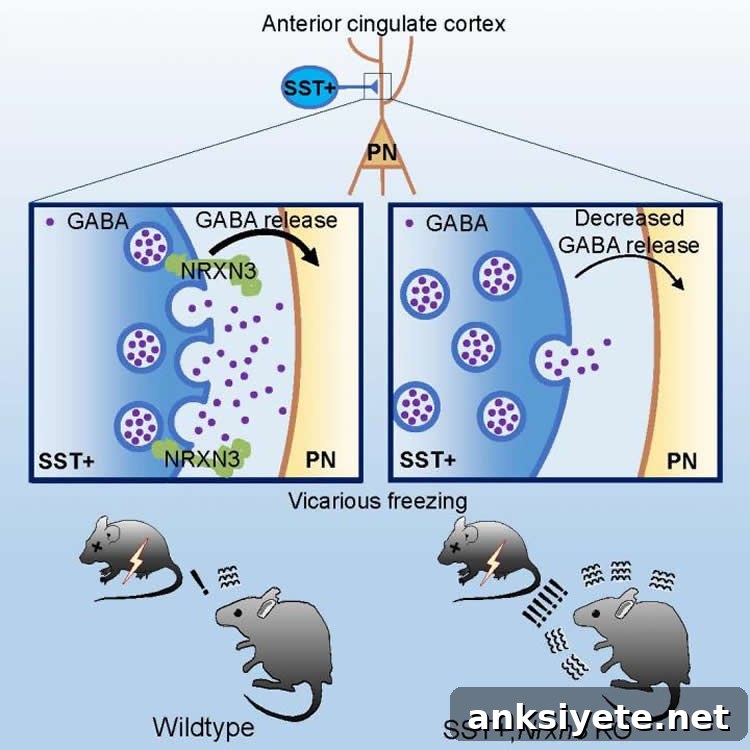
Summary: Researchers have identified a specific genetic variant that appears to increase empathy-driven fear in mice by altering inhibitory circuits in the brain. Source: Institute for Basic Science. Researchers at the Center for Cognition and Sociality, Institute for Basic Science (IBS), report in Neuron that a single genetic variant can amplify empathy-driven fear in mice. … Read more

Study Finds Men and Women Have Different Wisdom Strengths

featured 80357

Summary: In this study, women tended to score higher on compassion and self-reflection, while men scored higher on cognitive reasoning and emotional regulation. Source: UCSD Previous research has established that wisdom is a multifaceted personality trait closely linked to mental health and overall well-being. A team at the University of California San Diego School of … Read more

Brain Stimulation Restores Memory in Older Adults

featured 55558

Summary: Transcranial magnetic stimulation (TMS) applied to a parietal site that is tightly connected to the hippocampus restores activity in memory-related brain networks and improves associative memory in older adults with age-related decline, bringing performance up to the level of younger adults. Source: Northwestern University Targeted electromagnetic pulses to a precise cortical site connected with … Read more

New Antidote for Sarin Nerve Agent Shows Promise

featured 30504

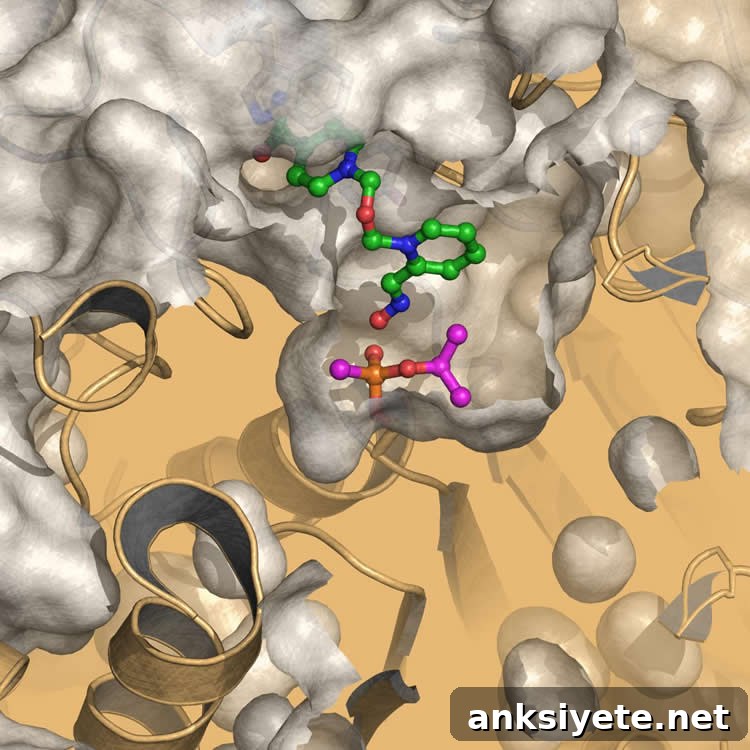
The nerve agent sarin triggers a lethal overstimulation of the nervous system that can be halted if an effective antidote is administered within minutes. A new study published in PNAS details, at atomic resolution, how one such antidote works to free the nervous system’s key enzyme from sarin’s grip. Researchers from the Swedish Defence Research … Read more