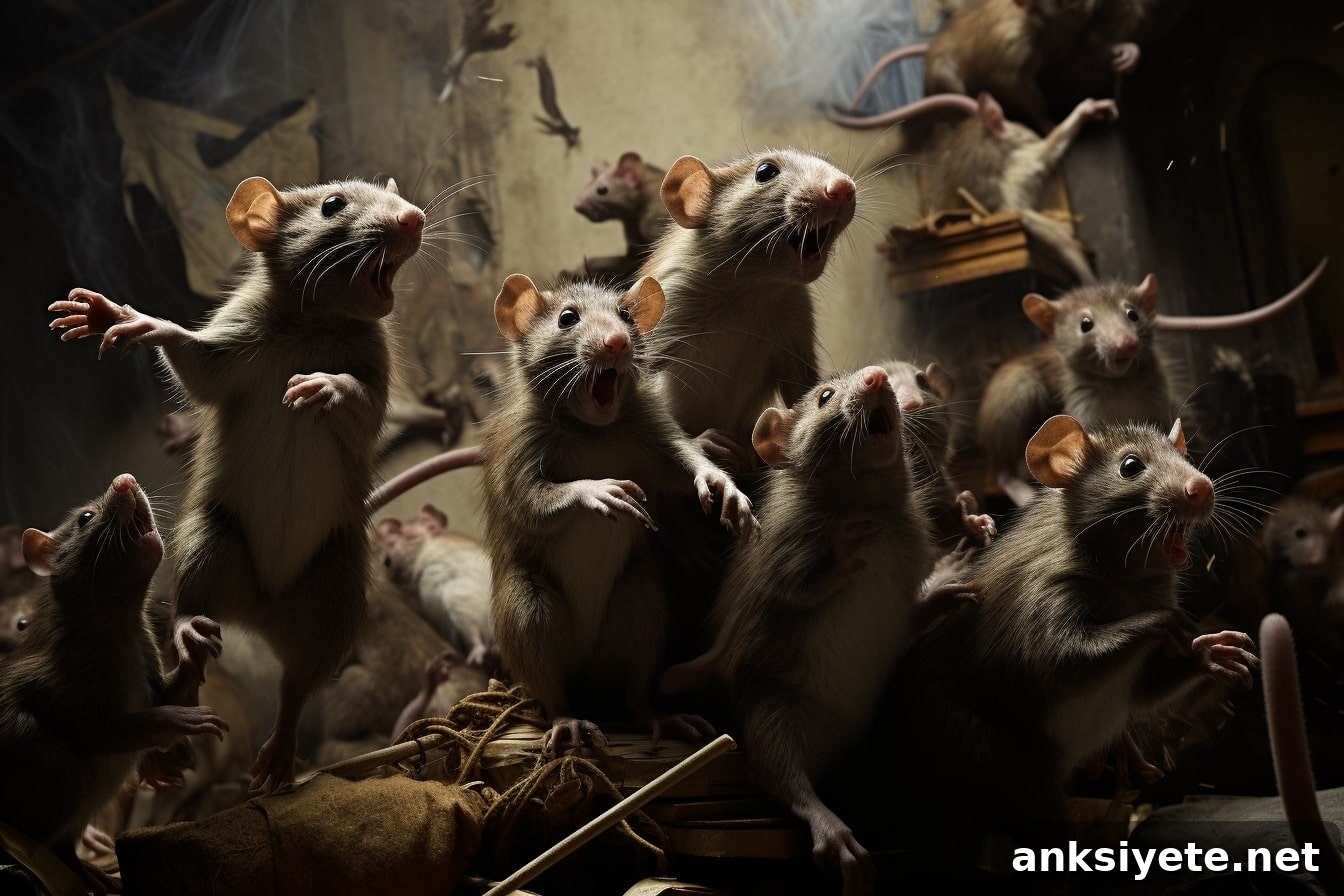
Summary: Researchers have replicated playful, low-stress environments in the laboratory to study play and laughter in rats, measuring their vocalizations and brain activity. The study identifies the lateral column of the periaqueductal gray (PAG) as a key midbrain structure necessary for playful behavior and ticklish vocalizations. Suppressing that region reduced play and “laughter,” while anxiogenic conditions similarly dampened activity in the same PAG column.
This work supports the idea that play is an instinctive, developmentally important behavior rather than a trivial pastime. The team plans follow-up studies to compare PAG activity across species and to test how early play experiences shape PAG development.
Key Facts:
- The lateral column of the periaqueductal gray (PAG) is strongly involved in play and tickling-induced vocalizations in rats.
- Pharmacological or optogenetic inhibition of the PAG reduces play behavior and high-pitched squeaks associated with positive affect.
- Anxiety-inducing environments suppress PAG activity linked to play, suggesting environmental context strongly influences play circuits.
Source: Cell Press
Creating authentic, low-stress play conditions is essential to study play behavior in animals.
To examine how the brain supports play, the researchers first ensured that young rats were comfortable and able to move freely. Animals restrained or stressed by novel surroundings rarely display natural play, so the team allowed several days for acclimation and trained the rats to interact with a human playmate. In controlled sessions the experimenters engaged the rats in gentle chase-like interactions and tickling on the back and belly while recording ultrasonic vocalizations and neural signals.
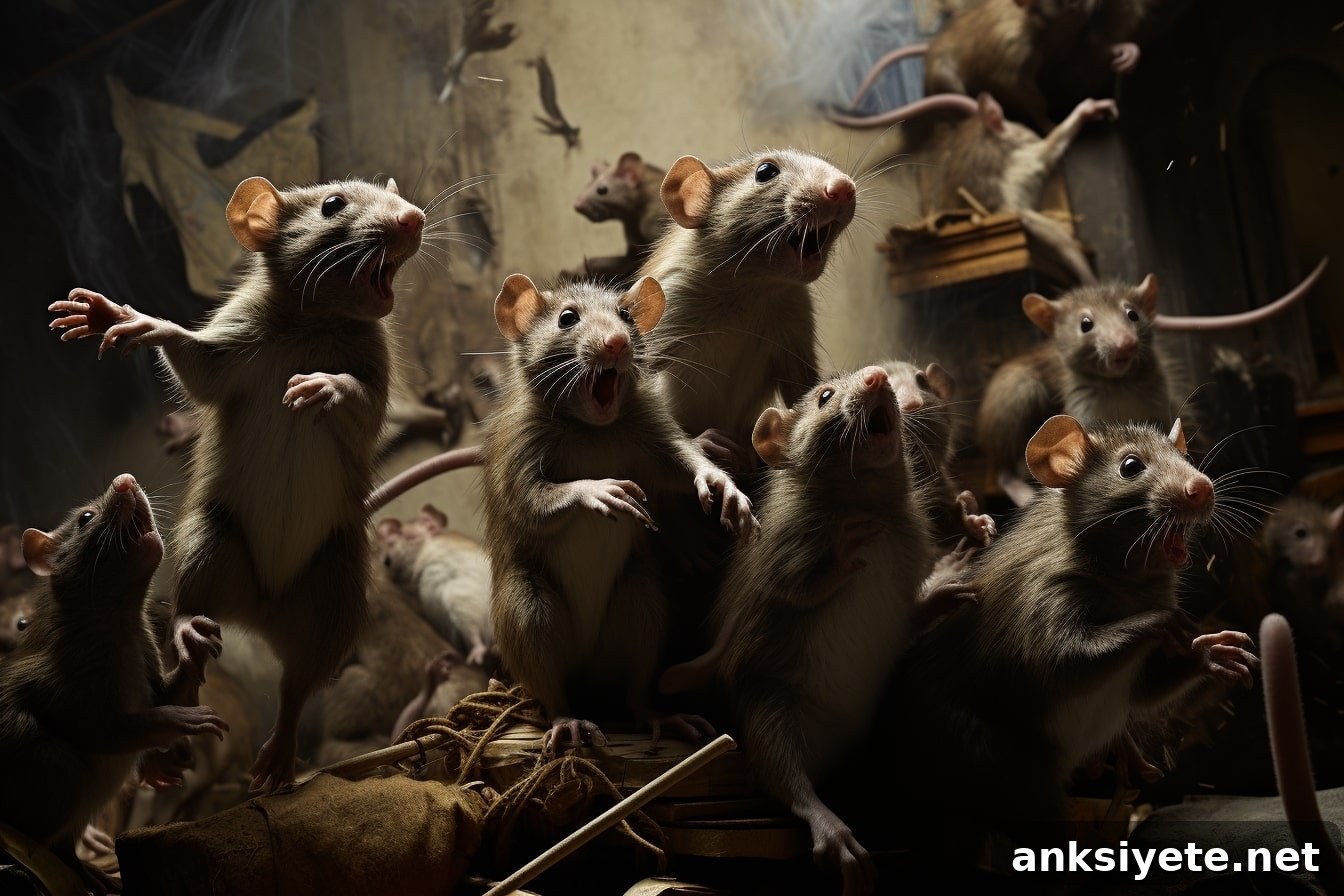
Rats emit high-frequency squeaks when they are positively aroused by social play or tickling; these ultrasonic vocalizations, imperceptible to the human ear without equipment, served as a behavioral readout of amusement. Neural recordings revealed that many PAG neurons responded strongly to tickling and play, with a distinct concentration of play- and tickling-excited units in the lateral PAG column.
Global pharmacological blockade of the PAG using agents such as muscimol or lidocaine disrupted both ticklish vocalizations and play behavior. Likewise, optogenetic silencing targeted to the lateral PAG reduced playful interactions. By contrast, exposure to an unfamiliar, anxiety-provoking setting suppressed both the rats’ squeaks and activity in the lateral PAG, linking emotional state to engagement in play.
The PAG sits in the midbrain and is already known to participate in vocalization control and defensive responses. Play-fighting carries elements that overlap with fight-or-flight circuitry, which may explain the PAG’s involvement in coordinating play-related vocalizations and behaviors. The fact that playfulness persists even after cortical development is compromised points to a subcortical, instinctual mechanism for play, consistent with the PAG-centered findings.
“Vocal signals like laughter are important during play because they organize the interaction; players check each other’s responses and stop when laughter ceases,” says Michael Brecht, senior author and neuroscientist at Humboldt-Universität zu Berlin. He and colleagues describe play as a form of self-training for the developing brain: rather than simply reflecting brain control of behavior, play appears to actively shape neural development.
Future directions include testing whether similar lateral PAG activity occurs in other species during social play, which would permit comparative studies of play circuitry, and examining whether early differences in play experience alter lateral PAG maturation in young animals.
About this behavioral neuroscience research news
Author: Press Team
Source: Cell Press
Contact: Press Team – Cell Press
Image: The image is credited to Neuroscience News
Original Research: Open access. “Play and tickling responses map to the lateral columns of the rat periaqueductal gray” by Michael Brecht et al., Neuron.
Abstract
Play and tickling responses map to the lateral columns of the rat periaqueductal gray
Highlights
- Blocking the PAG interferes with ticklishness and play in rats.
- Unit recordings reveal a columnar organization in the PAG for tickling- and play-responsive neurons.
- The lateral PAG column shows strong activation during play and tickling and is suppressed by anxiogenic conditions.
- Optogenetic inactivation of the lateral PAG disrupts playful behaviors and ticklish vocalizations.
Summary
The persistence of play after decortication suggests a subcortical mechanism for play control. Global blockade of the rat PAG with muscimol or lidocaine reduced ticklishness and play. Recording vocalizations and single-unit activity during interspecific touch, play, and tickling revealed that rats vocalize most strongly during play and tickling. PAG units showed diverse modulation patterns, and clustering of responses revealed functional groups localized to different PAG columns. Play- and tickling-excited units were concentrated in the lateral columns and were suppressed under anxiety-provoking conditions. Optogenetic inactivation of the lateral PAG impaired ticklishness and playful behaviors, supporting the conclusion that the lateral PAG columns are decisive for play-related vocalizations and actions.