
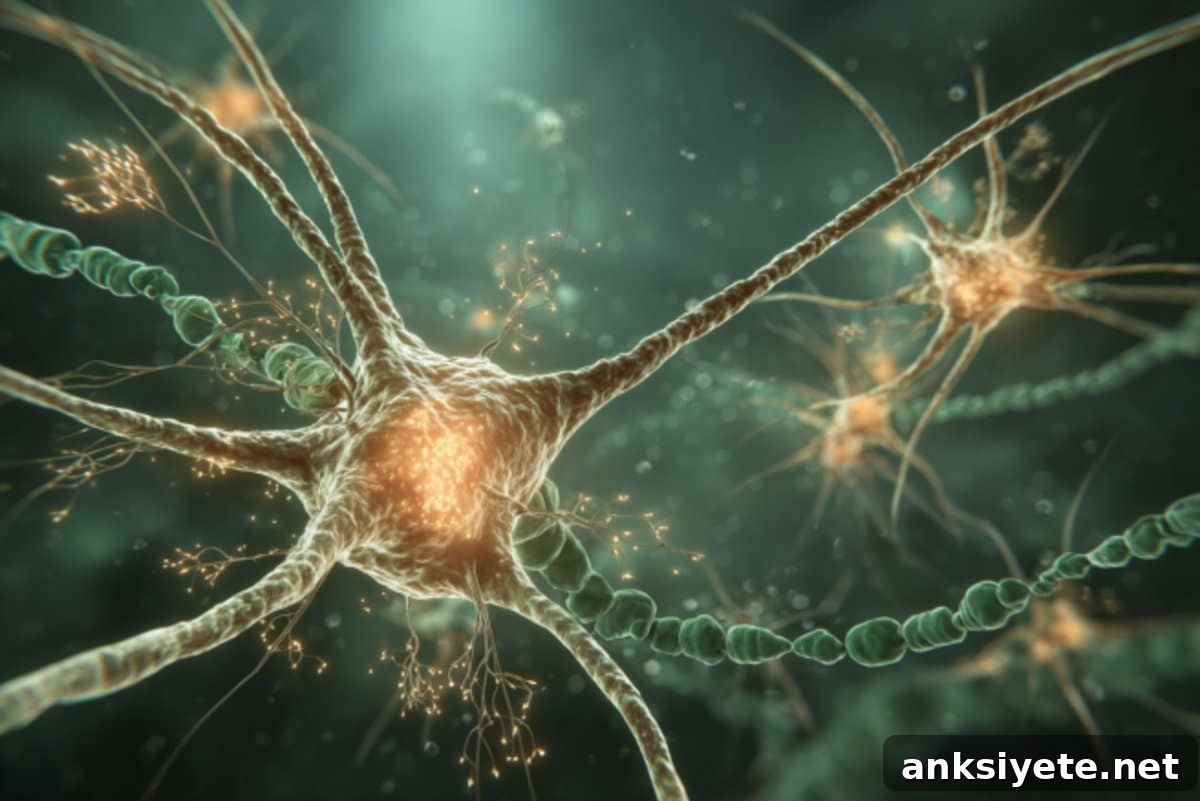
Summary: Researchers have discovered that a combination of natural compounds can reverse age-related declines in neuronal energy and promote removal of toxic proteins linked to Alzheimer’s disease. The treatment—nicotinamide (a form of vitamin B3) together with epigallocatechin gallate (EGCG), a green tea antioxidant—restores guanosine triphosphate (GTP) levels in aged neurons, reactivating key cellular cleanup systems and lowering markers of oxidative damage.
Applied to neurons from an Alzheimer’s model, this nutrient-based approach quickly restored cellular energy balance, enhanced autophagy and endocytosis, and reduced intracellular amyloid beta aggregates. While the results point to a promising non-pharmaceutical strategy for reducing Alzheimer’s risk and progression, additional studies are needed to determine optimal dosing and delivery in humans.
Key Facts
- Energy recovery: Nicotinamide plus EGCG restored GTP concentrations in aged neurons to levels typical of younger cells.
- Improved protein clearance: The combined treatment mobilized vesicular trafficking and lysosomal activity, aiding removal of toxic amyloid beta aggregates.
- Supplement-based potential: These findings support further exploration of dietary supplement strategies to support brain energy metabolism and proteostasis in aging and Alzheimer’s.
Source: UC Irvine
Researchers at the University of California, Irvine report a nonpharmaceutical method that rejuvenates aged brain cells and facilitates clearance of Alzheimer’s-associated proteins.
In a study published in GeroScience, the team used neurons isolated from aged 3xTg-AD Alzheimer’s model mice and a genetically encoded fluorescent GTP sensor (GEVAL) to measure live GTP levels inside cells. They found that free GTP—a pivotal energy currency for processes such as vesicular trafficking and autophagy—declines with age, especially within mitochondria, and that this decline impairs the cell’s ability to remove damaged components and protein aggregates.
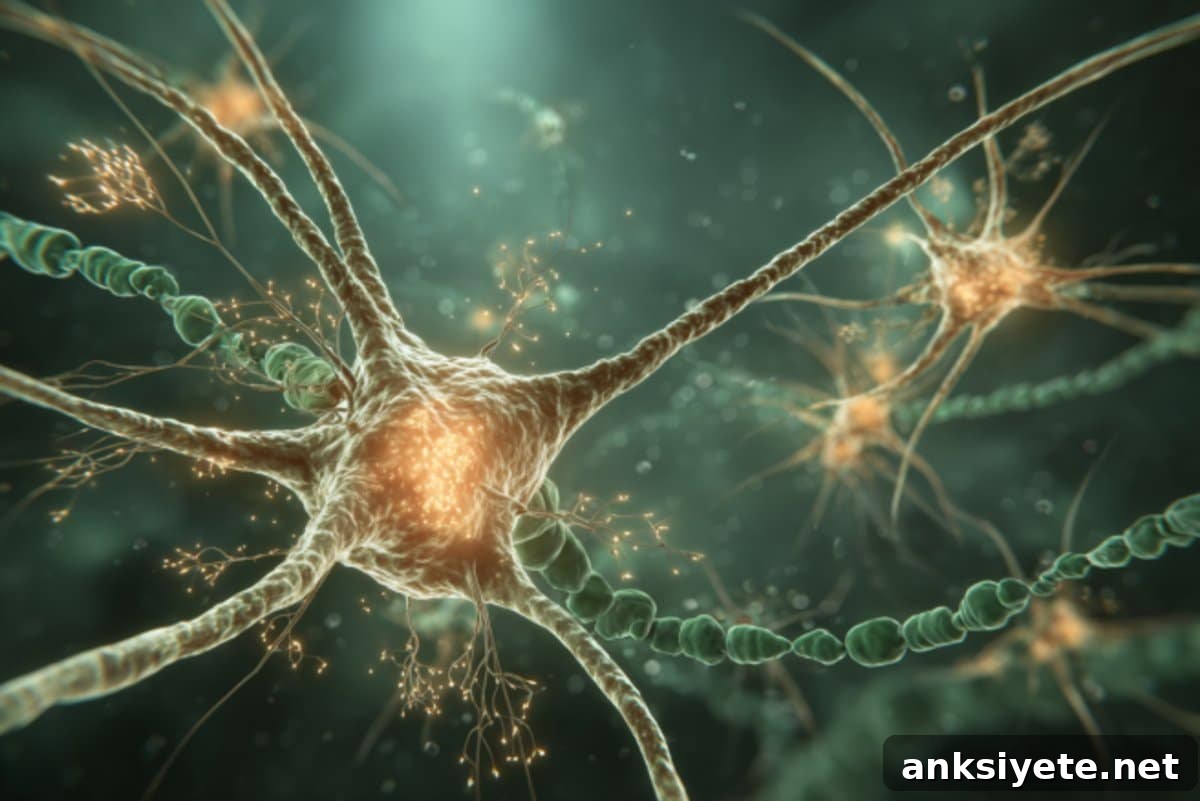
When aged neurons were treated for 24 hours with nicotinamide (an NAD precursor) together with EGCG (a redox modulator that activates Nrf2 pathways), researchers observed a rapid restoration of free GTP to youthful levels. This energy recovery triggered several beneficial effects: improved energy metabolism, activation of essential GTPases involved in intracellular trafficking (including Rab7 and Arl8b), enhanced endocytosis and lysosomal degradation, and reduced oxidative protein damage.
Functionally, the treated neurons cleared intraneuronal amyloid beta aggregates more effectively, showed improved viability, and exhibited lower levels of protein nitration linked to oxidative stress. These changes indicate that restoring GTP-dependent bioenergetics can reinstate proteostatic mechanisms that falter with age and in Alzheimer’s disease models.
“As people age, neuronal energy reserves fall, limiting the brain’s capacity to remove unwanted proteins and damaged organelles,” said Gregory Brewer, adjunct professor of biomedical engineering at UC Irvine and lead author of the study. “By restoring GTP levels, neurons regain critical cleanup pathways that protect against the accumulation of toxic protein aggregates.”
The research team tracked how manipulations of autophagy affected GTP levels: stimulating autophagy with rapamycin decreased available GTP, while blocking autophagy with bafilomycin increased GTP, demonstrating a dynamic relationship between GTP availability and proteostatic activity. Supplementation with nicotinamide and EGCG reversed age-related GTP depletion and mobilized the vesicular machinery needed for efficient autophagy and trafficking.
Brewer emphasized caution: although the compounds tested are available as dietary supplements, delivering effective concentrations to the brain remains a challenge. Previous clinical work has shown that orally administered nicotinamide can be inactivated in the bloodstream, so route of administration and formulation will require further optimization before clinical translation.
Collaborators on the study included Ricardo Santana, UC Irvine associate specialist in biomedical engineering, and Joshua McWhirt, a UC Irvine junior specialist now pursuing a Ph.D. at the Medical University of South Carolina. Funding for the research was provided by the National Institutes of Health and the UC Irvine Foundation.
About this supplements and brain aging research news
Author: Brian Bell
Source: UC Irvine
Contact: Brian Bell – UC Irvine
Image credit: Neuroscience News
Original Research: Open access. Title: “Treatment of age-related decreases in GTP levels restores endocytosis and autophagy” by Gregory Brewer et al., published in GeroScience.
Abstract
Treatment of age-related decreases in GTP levels restores endocytosis and autophagy
Age-associated reductions in neuronal bioenergetic capacity can limit vesicular trafficking and the autophagic clearance of damaged organelles and proteins. While ATP depletion affects ionic homeostasis and cognition, decreases in GTP specifically impact proteostatic processes that depend on GTPases.
Using hippocampal neurons from aged Alzheimer’s model mice and a novel GEVAL sensor, the investigators observed an age-dependent decline in free/bound GTP ratios. Free GTP localized in mitochondria decreased with age, and free GTP-positive vesicular structures accumulated, indicating impaired vesicular mobilization.
Pharmacological manipulation confirmed the energy dependence of autophagy: rapamycin-induced autophagy depleted GTP, whereas bafilomycin inhibition raised GTP levels. A 24-hour supplementation with an NAD precursor (nicotinamide) and the Nrf2-activating EGCG restored GTP to youthful levels, mobilized endocytosis and lysosomal consumption via Rab7 and Arl8b, and promoted clearance of intraneuronal amyloid beta. Treated neurons showed improved viability and reduced oxidative protein nitration.
These findings reveal age- and Alzheimer’s-related deficits in neuronal GTP that impair autophagy and endocytosis. Remediation of GTP deficits with an NAD precursor combined with an Nrf2 redox modulator suggests a translational route for supporting neuronal proteostasis in aging and neurodegenerative disease.