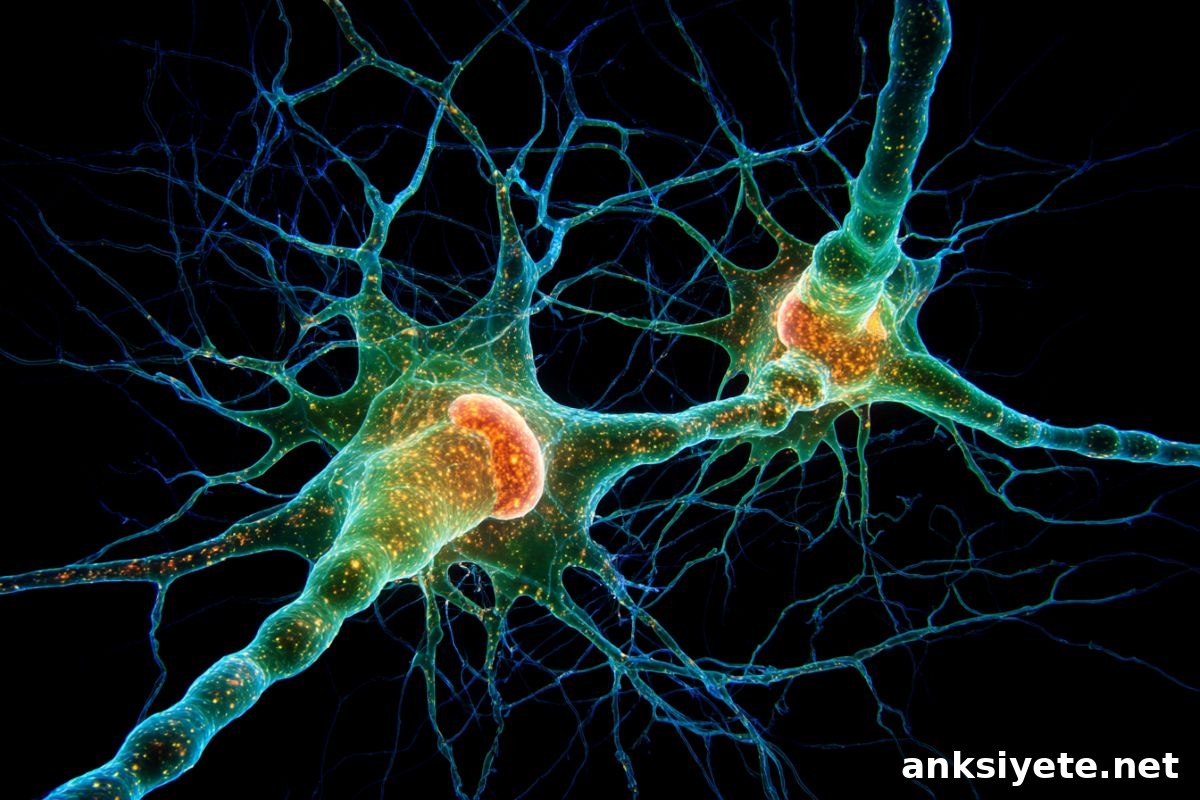
Summary: Is there an optimal interval for learning? New research suggests the timing between study sessions is as important as the content itself. By studying neurons from the sea slug Aplysia, researchers have identified a cellular “sweet spot” for forming long-term memory.
When neurons received a neurotransmitter release exactly 24 hours after an initial exposure, a specific molecular sequence activated that supports long-term memory formation. Shorter or longer intervals failed to engage this cellular learning mechanism.
Key Facts
- The 24-hour rule: The study showed a second stimulus was most effective when applied exactly 24 hours after the first, enhancing cellular markers of learning.
- Controlled cellular model: Researchers used a cell plating technique to mimic learning in isolated neurons, allowing precise observation of molecular changes that accompany memory formation.
- Conserved mechanism: Although experiments used Aplysia, the cellular pathway discovered is conserved across many species, including humans, implying this daily timing may reflect a broad biological principle.
- “Same time next day” strategy: Senior author John Byrne suggests that reviewing new information at the same time the next day may align with the brain’s cellular readiness to consolidate memory.
Source: SfN
What is the best way to learn something new?
A recent Journal of Neuroscience paper from John Byrne and colleagues at the University of Texas Health Science Center at Houston takes an important step toward answering that question. Using Aplysia (sea slugs), the team probed how the timing between learning events affects memory at a cellular level.
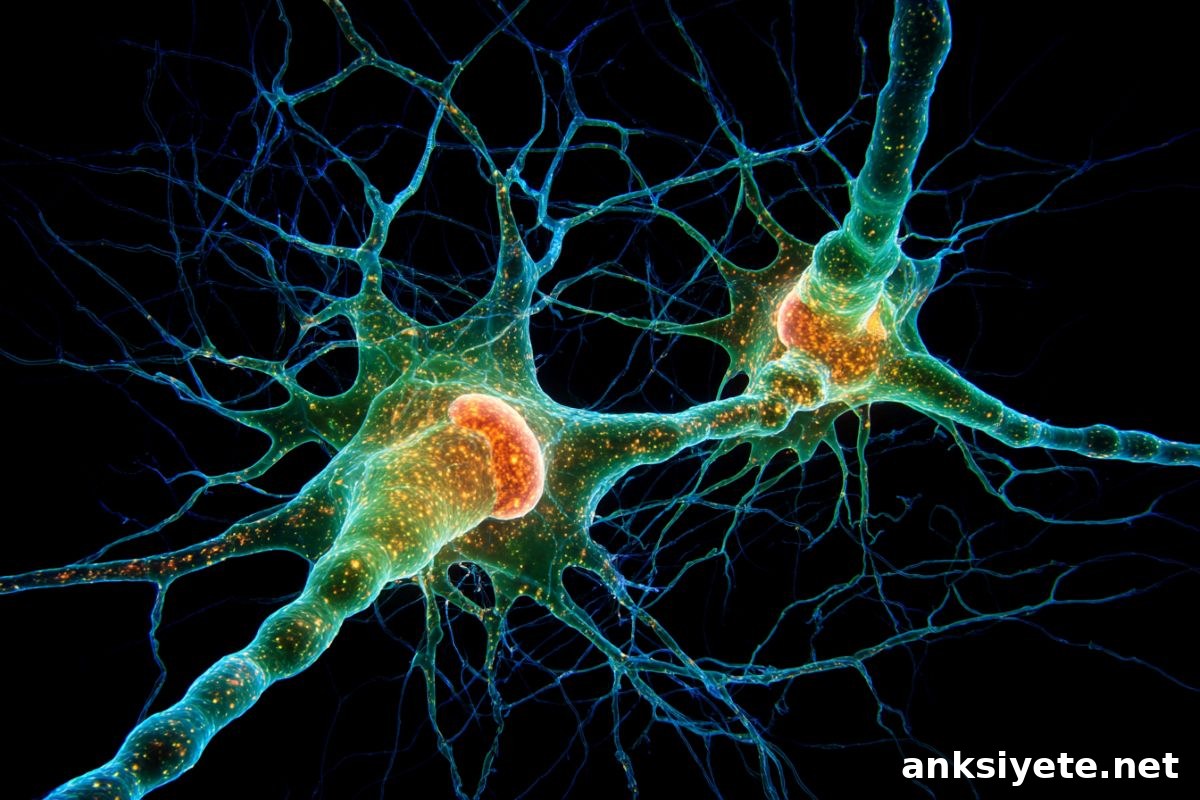
To study timing effects precisely, the team simulated learning by applying a neurotransmitter to neurons at two separate time points in a controlled cell-culture environment. They measured long-term synaptic facilitation (LTF) and long-term enhancement of neuronal excitability (LTEE), two established cellular correlates of learning and memory.
A second stimulus applied 24 hours after the first significantly boosted both LTF and LTEE. In contrast, second stimuli at 18 or 32 hours produced no detectable enhancement. These results indicate a narrow temporal window in which a second learning event can strengthen long-term cellular changes.
Mechanistically, the effect appears to involve the interaction between the transcription activator CREB1 and the repressor CREB2. The dynamics of these transcription factors create a cellular timer that determines when a neuron is primed to consolidate new information.
Byrne notes this timing mechanism is intrinsic to individual neurons: isolated sensory neurons showed the same 24-hour window for increased excitability. He cautions that additional studies in more complex animal models are needed, but emphasizes that the molecular players involved are widely conserved, which supports the idea that similar timing rules could apply across species.
The team plans follow-up experiments to test whether repeated exposures spaced in 24-hour intervals over multiple days further strengthen memory-related neural changes, with the goal of understanding how multiday training enhances learning.
Key Questions Answered:
A: Sea slugs have large, accessible neurons that use the same basic cellular chemistry as human neurons. Their simpler neural circuits let scientists observe the precise molecular events that accompany memory formation—events that are difficult to isolate in the human brain.
A: In this study, the 24-hour interval was crucial: shorter (18 hours) and longer (32 hours) intervals did not produce the same molecular response. The data suggest neurons may have an internal timing mechanism that primes them on a roughly daily cycle.
A: The findings support spaced repetition and argue against cramming. For longer-lasting memory, it may be better to revisit material at consistent intervals—potentially at the same time the following day—to take advantage of the cellular window that favors consolidation.
Editorial Notes:
- This article was edited by a Neuroscience News editor.
- The original journal paper was reviewed in full.
- Additional context was provided by editorial staff.
About this memory and learning research news
Author: SfN Media
Source: SfN
Contact: SfN Media – SfN
Image credit: Neuroscience News
Original Research: Open access. “The Right Time for a Synapse to Change: Windows and Mechanisms of Multiday Training Trials” by Rong-Yu Liu, Yili Zhang, Roberta Calvo, Paul Smolen, and John H. Byrne. Journal of Neuroscience. DOI: 10.1523/JNEUROSCI.1981-25.2026
Abstract
The Right Time for a Synapse to Change: Windows and Mechanisms of Multiday Training Trials
Although training spread over multiple days typically produces stronger learning than a single session, the cellular mechanisms that make repeated training effective remain poorly understood.
Using combined experimental and computational methods, the authors identified a critical time window for a second stimulus block in multiday training to enhance long-term synaptic facilitation (LTF) at the Aplysia sensorimotor synapse and long-term enhancement of neuronal excitability (LTEE). A second stimulus delivered 24 hours after the first notably enhanced LTF and LTEE, whereas stimuli at 18 or 32 hours did not. This spacing effect appears to stem, at least in part, from the competitive dynamics between the transcription activator CREB1 and the repressor CREB2.
Because isolated sensory neurons exhibited the same narrow temporal window, the timer mechanism is intrinsic to individual neurons. These results indicate that the dynamics of transcription factors can function as a cellular timer, creating a window of eligibility during which a second training trial can effectively strengthen memory-related synaptic changes.