Study Finds Brain Link to Mental Symptoms in Multiple Sclerosis
featured 27312

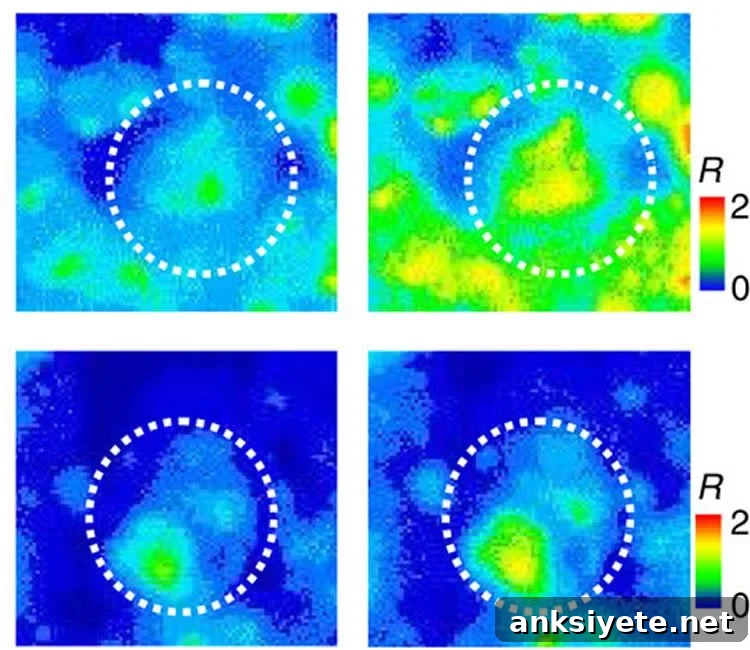
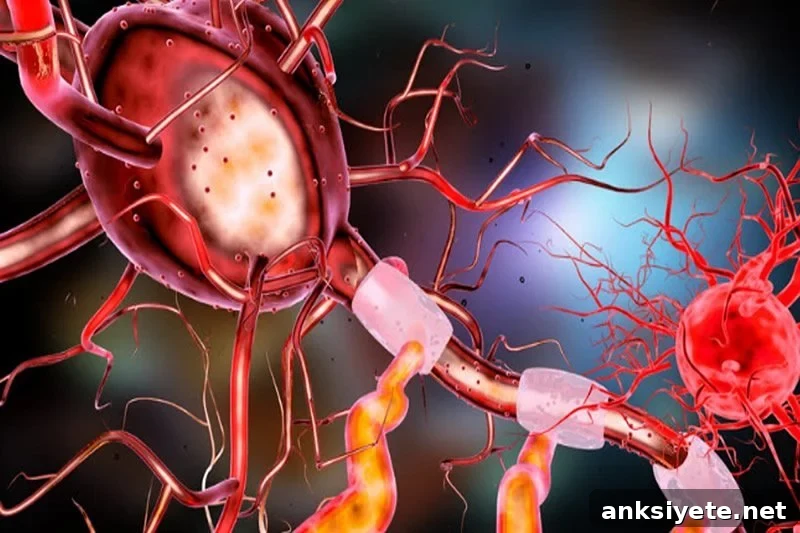
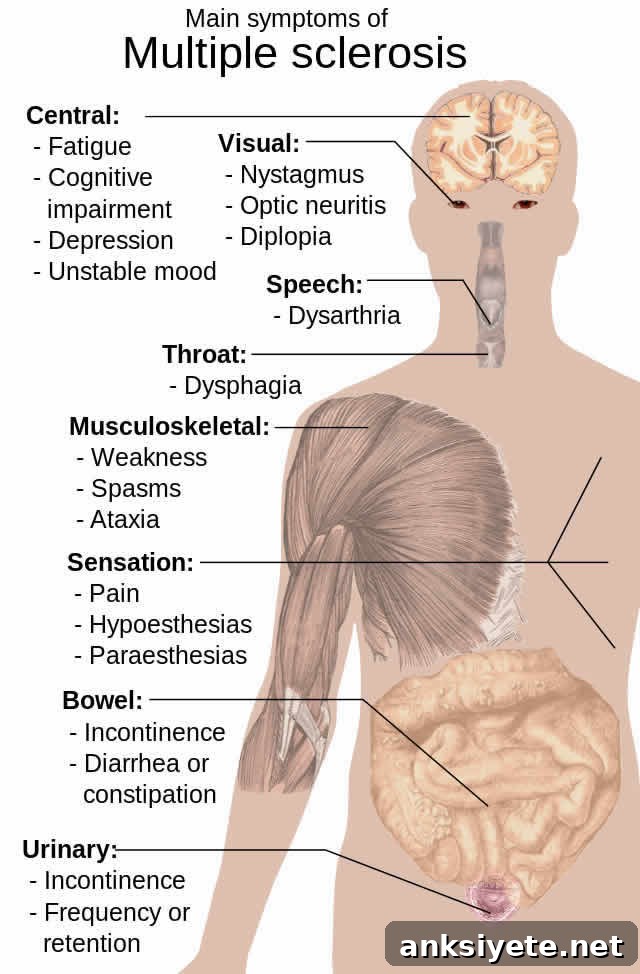
New research published in the Journal of Neuroscience identifies a previously unrecognized mechanism of brain damage in multiple sclerosis (MS) that may help explain the slow, progressive cognitive decline many patients experience. The study shows that the brain’s immune cells can disrupt communication between neurons in regions not typically considered primary targets of the disease, … Read more


Overweight Young Adults More Likely to Binge, Purge, Fast

featured 49615

Summary: A new study finds that young adults who are overweight or obese are nearly twice as likely as their lower-weight peers to engage in bingeing, purging, or other unhealthy weight-control behaviors. Researchers also identified higher risk among Asian/Pacific Islander individuals and sexual minorities. Source: UCSF Young adults who are overweight or obese are more … Read more

Infant Social Cognition: How the Brain Learns to Read People

featured 30015

Neuroscientists and developmental psychologists have teamed up to show, for the first time, that infants’ motor-system brain activity is directly linked to their social behavior. The study, published April 12, 2016 in Psychological Science, tracked brain responses and choices made by infants to identify how observing others’ actions relates to infants’ own interactive behavior. Researchers … Read more

New Gene Drives Amyloid Plaque Formation in Alzheimer’s

featured 24361

A new multi-institutional study led by researchers at the Indiana University School of Medicine has identified an immune-related gene linked to faster accumulation of amyloid plaques in the brains of people with Alzheimer’s disease and older adults at risk for the condition. Published in the journal Brain, the study reports that a variant in the … Read more

Why Men and Women Process Negative Emotions Differently

featured 24005

Researchers at the CIUSSS de l’Est-de-l’Île-de-Montréal (Institut universitaire en santé mentale de Montréal) and the University of Montreal report that women and men respond differently to negative images, a difference that appears linked to subtle variations in brain connectivity and hormonal and psychosocial factors. Their results were published in the journal Psychoneuroendocrinology. “People are not … Read more

Axon Swelling May Drive Alzheimer’s Disease

featured 88872

Summary: Amyloid plaque formation in the brain leads to the development of spheroid-shaped swellings along axons near plaque deposits. These swellings result from accumulating lysosomes—organelles that digest cellular waste. As the spheroids enlarge, they can disrupt electrical signal transmission between brain regions. Source: Yale Amyloid plaque accumulation in the brain is a defining feature of … Read more

Green Apple Vape Flavor Increases Nicotine Reward

featured 66859

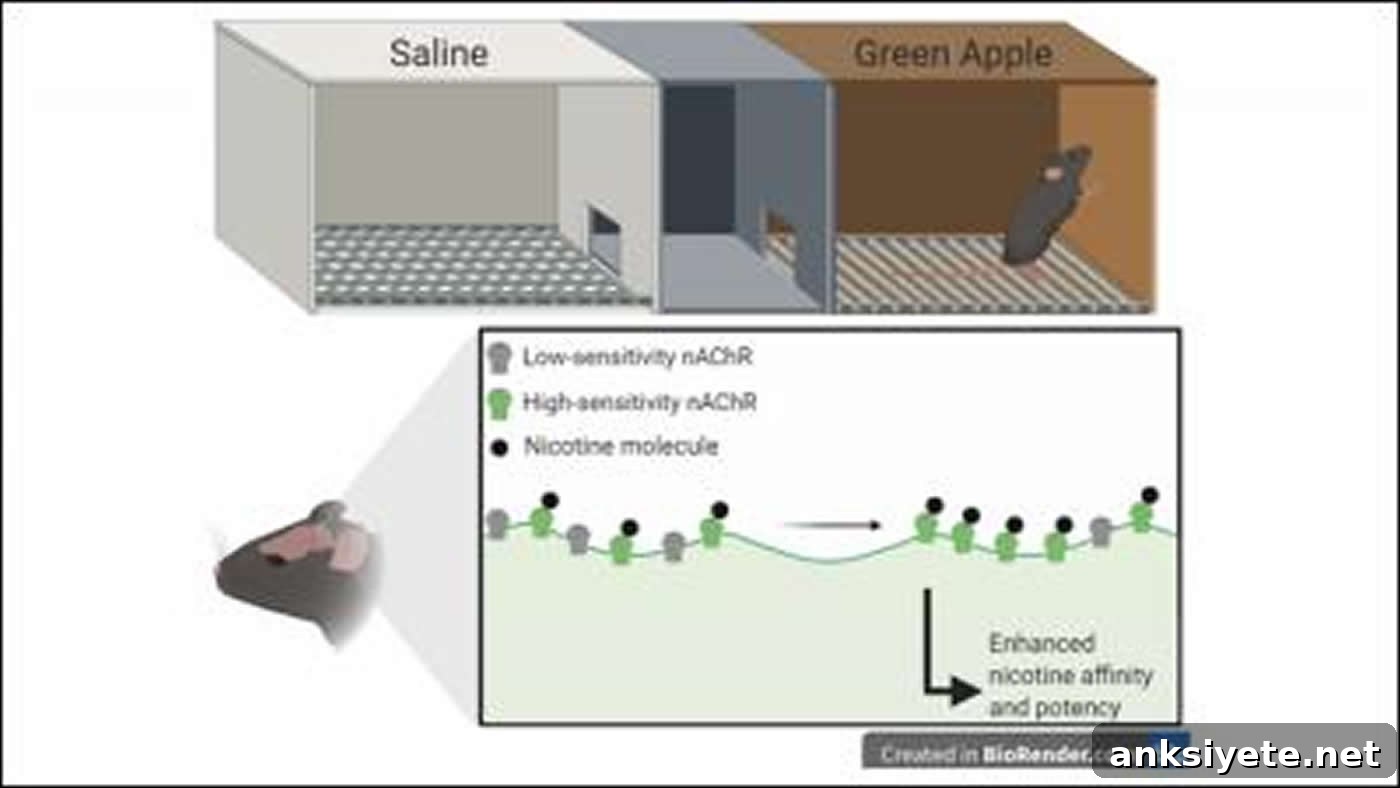
Summary: The green apple flavorant farnesene, commonly used in e-cigarette liquids, increases nicotine reward in mouse models and produces reward-related behavior on its own. Researchers warn that flavored vapes — even those without nicotine — may pose neurological risks, including increased addiction potential. Source: SfN A common green apple e-cigarette flavorant, farnesene, enhances nicotine reward … Read more

How Cocaine Hijacks Your Brain’s Reward System

featured 110575

Summary: Researchers have created the first fruit fly model of cocaine addiction by genetically altering flies so they will voluntarily consume cocaine. Normally, fruit flies avoid cocaine because it triggers bitter taste receptors. By silencing those bitter-sensing pathways, the team produced flies that develop a clear preference for low-concentration cocaine in sugar water within about … Read more

Scientists Identify New Factor Driving Parkinson’s Disease

featured 27002

Discovery may lead to improved understanding, earlier diagnosis and new therapeutic directions for Parkinson’s disease A team of researchers at Boston University School of Medicine (BUSM) has identified a previously unrecognized cellular defect in patients with idiopathic Parkinson’s disease (idPD) and mapped a sequence of pathological events that can precipitate premature loss of specific neurons. … Read more

Antidepressant Damages New Neurons in Lab Mini-Brains

featured 62528

Summary: Using human stem-cell–derived mini-brain models, researchers at Johns Hopkins report that the widely prescribed SSRI paroxetine disrupts key steps of brain cell development in vitro, producing changes that could help explain observed risks when exposure occurs during pregnancy. Source: Johns Hopkins University Overview Scientists at the Johns Hopkins Bloomberg School of Public Health have … Read more