
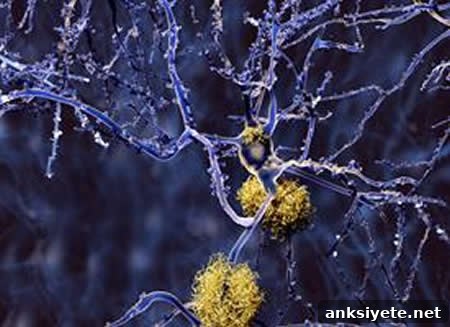
A new study published in the Journal of Neuroinflammation indicates the brain’s immune cells can be directed to help clear the amyloid plaques closely associated with Alzheimer’s disease.
“This work supports earlier observations that, when properly engaged, the brain’s immune system contributes to amyloid beta removal,” said M. Kerry O’Banion, M.D., Ph.D., professor in the University of Rochester Department of Neurobiology and Anatomy and the Del Monte Neuromedicine Institute, and lead author of the study. “We also show that it is possible to manipulate this immune response to accelerate clearance, which may point toward a novel therapeutic strategy for Alzheimer’s disease.”
The project grew from an unexpected observation in Alzheimer’s disease mouse models: animals with chronic brain inflammation showed clearance of amyloid beta plaques. Intrigued, the investigators focused on microglia — the resident immune cells of the central nervous system — to understand whether and how these cells could be responsible for plaque removal.
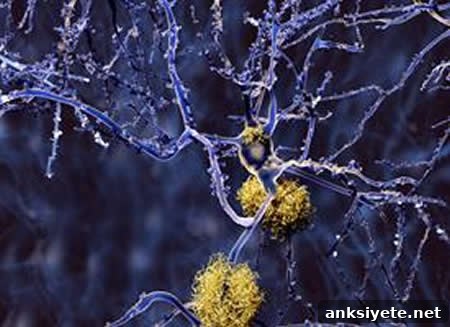
Microglia patrol the brain and spinal cord, remain alert to damage and infection, and can adopt different activation states. Depending on the signals they receive, microglia can drive inflammation, destroy pathogens, clear cellular debris, or promote tissue repair. To test whether microglia alone could mediate plaque clearance, the team used a targeted molecular approach to switch microglia into a specific, anti-inflammatory state without producing widespread damaging inflammation.
Researchers injected a cytokine-encoding vector into one hippocampus of mouse models to mimic a localized immune signal. Cytokines are signaling proteins that instruct immune cells to change behavior; in this study the manipulation produced an environment that favored an anti-inflammatory microglial phenotype. After inducing this state, they observed that amyloid beta levels in the treated hemisphere dropped by more than 60 percent.
“While further study is required to fully understand potential risks and complex downstream effects, these results make it clear that microglia can participate in removing amyloid beta and that shifting microglial activation may be a promising immunomodulatory approach for Alzheimer’s disease,” O’Banion said.
The study’s additional co-authors include Jonathan Cherry, a pathology graduate student now at Boston University, and John Olschowka of the University of Rochester. Funding support came from the National Institute on Aging.
Source: University of Rochester
Image credit: Image adapted from the University of Rochester press release
Original research: Full open access research titled “Arginase 1+ microglia reduce Aβ plaque deposition during IL-1β-dependent neuroinflammation” by Cherry JD, Olschowka JA and O’Banion MK in Journal of Neuroinflammation. Published online November 4. DOI: 10.1186/s12974-015-0411-8
Abstract
Arginase 1+ microglia reduce Aβ plaque deposition during IL-1β-dependent neuroinflammation
Background
Neuroinflammation has often been implicated in the progression of Alzheimer’s disease. Paradoxically, experiments designed to study the interaction between sustained neuroinflammation and Alzheimer’s pathology revealed a significant decrease in amyloid beta (Aβ) plaque burden. The researchers aimed to explain this counterintuitive finding by characterizing microglial phenotypes present during chronic neuroinflammation.
Methods
To create localized, sustained inflammation, the team used an adeno-associated virus vector expressing human IL-1β injected into one hippocampus of 8-month-old APP/PS1 mice for four weeks; the opposite hemisphere received a control injection. Bone marrow chimera experiments and immunostaining identified immune cell origins and types during sustained inflammation. Arginase 1 (Arg1) and inducible nitric oxide synthase (iNOS) served as markers of alternatively activated (anti-inflammatory) and classically activated (pro-inflammatory) cells, respectively. Confocal microscopy demonstrated differential uptake of Aβ by Arg1+ versus iNOS+ microglia. To confirm the anti-inflammatory phenotype, RNA was extracted from flow-sorted microglia and analyzed by rt-PCR. The investigators also induced Arg1+ microglia using interleukin-4 (IL-4) and blocked Arg1 induction with an IL-4Rα antibody delivered via intrahippocampal cannula to test the effects on plaque burden.
Results
The inflamed hemisphere exhibited a robust increase in centrally derived Arg1+ microglia. These Arg1+ cells contained substantially more Aβ than iNOS+ microglia. RNA from flow-sorted microglia in the inflamed hemisphere showed elevated transcripts consistent with alternative activation and upregulation of neuroprotective genes such as BDNF and IGF1. Inducing Arg1+ microglia with IL-4 led to significant plaque clearance. Conversely, blocking Arg1+ induction with an anti-IL-4Rα antibody during sustained IL-1β expression diminished plaque reduction, revealing a correlation between Arg1+ microglial numbers and Aβ clearance.
Conclusions
These findings indicate that Arg1+ microglia contribute to Aβ plaque reduction during sustained IL-1β-dependent neuroinflammation and suggest that selective modulation of microglial activation could open new therapeutic avenues for Alzheimer’s disease.
“Arginase 1+ microglia reduce Aβ plaque deposition during IL-1β-dependent neuroinflammation” by Cherry JD, Olschowka JA and O’Banion MK in Journal of Neuroinflammation. Published online November 4. DOI: 10.1186/s12974-015-0411-8