Depression and Suicide Risk Linked to Specific Genes

featured 53763

Summary: Researchers have identified a notable genetic overlap between suicide attempts and major depressive disorder. Source: Yale. Yale researchers report the discovery of multiple genetic variants associated with serious suicide attempts and show that several of these variants overlap with genes linked to major depressive disorder, according to a study published Jan. 17 in the … Read more


Social Bonds Linked to Richer Chimpanzee Gut Microbiomes

featured 27074

Close social contact often increases the risk of catching pathogens, but new research on wild chimpanzees shows social life can also spread beneficial gut microbes and boost microbial diversity. Scientists from The University of Texas at Austin, Duke University, the University of California, Berkeley and other institutions analyzed gut microbiomes and social behavior in a … Read more

Study: Transgender Teens’ Hormones Match Sex Assigned at Birth

featured 22365

Study reveals baseline characteristics of youth seeking care for gender dysphoria. Researchers at Children’s Hospital Los Angeles, led by Johanna Olson, MD, are caring for one of the largest clinical populations of transgender youth in the United States. They enrolled 101 young people in a prospective study designed to evaluate the safety and effectiveness of … Read more

Novel Strategy Could Prevent Alzheimer’s Disease

featured 35241

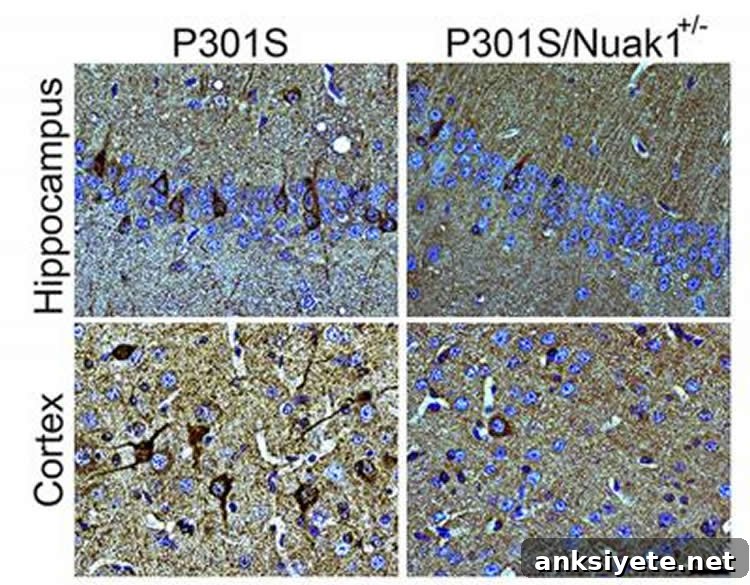
Summary: Researchers have identified and blocked early molecular events in the brain that precede Alzheimer’s symptoms, offering a potential preventive strategy. Source: Baylor College of Medicine. Researchers from Baylor College of Medicine, Texas Children’s Hospital and Johns Hopkins University School of Medicine report that blocking the buildup of a toxic brain protein may one day … Read more

How Brain Gene Activity Drives Sex-Specific Behavior in Mice

featured 80051

Summary: Researchers identified over 1,000 genes that are expressed at markedly different levels in male and female mouse brains. These findings offer insight into how sex influences brain function and behavior in mammals. Source: Stanford New research led by Stanford Medicine investigators shows that male and female mouse brains differ in many significant ways. The … Read more

What Finnish Sisu Teaches the World About Resilience

featured 55253

Summary: The Finnish concept of sisu describes a latent reserve of inner energy that can enable people to persevere and push through seemingly unbearable challenges, according to research from Aalto University. Source: Aalto University When asked what defines Finnish identity, many Finns mention the word sisu—even if it is difficult to fully define. In 1940 … Read more

Rare Neurological Disorder Linked to Autophagy Defect

featured 90610

Summary: Mutations in the ATG4D gene, a key component of the cellular recycling process autophagy, have been linked to a rare neurodevelopmental disorder in children that causes motor coordination difficulties and speech impairment. Source: NIH Researchers at the National Human Genome Research Institute (NHGRI) and the Undiagnosed Diseases Program (UDP) at the NIH identified three … Read more

The Hidden Costs of Loneliness

featured 85153

Summary: Researchers examine the psychological, physical and economic consequences of loneliness and how stronger social connections can reduce its harm. Source: Particle Although friendship feels priceless, loneliness carries a measurable cost. A Bankwest Curtin Economics Centre report estimates loneliness costs Australians about $2.7 billion a year, and the problem has grown during the COVID-19 pandemic. … Read more

How Enteric Nervous System Neurons Keep the Colon Moving

featured 49151

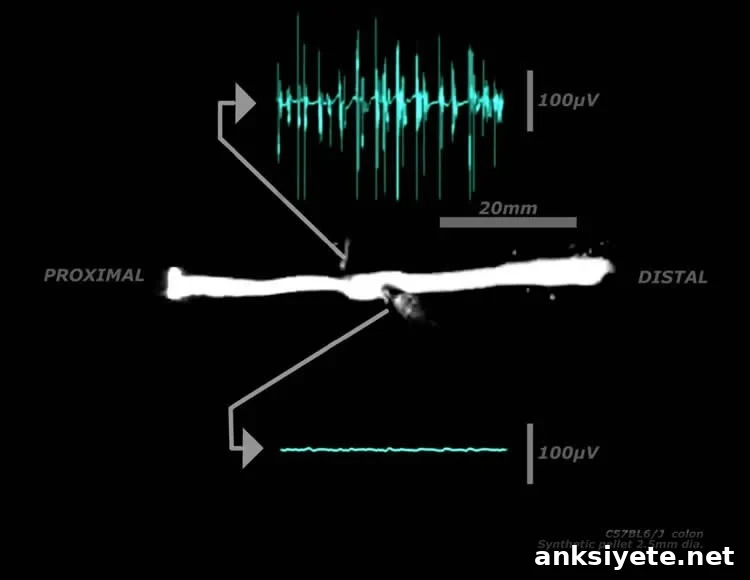
“Second Brain” Neurons Coordinate Rhythmic Activity to Propel Waste Through the Colon Summary: New research uncovers how enteric neurons synchronize their firing to generate the muscle contractions that drive fecal pellets through the colon. Source: SfN A study of isolated mouse colons published in the Journal of Neuroscience shows that millions of neurons in the … Read more

8-Minute MRI Detects Multiple Sclerosis Without Lumbar Puncture

featured 110231

Summary: A major new study shows that multiple sclerosis (MS) can be diagnosed accurately using a specialized MRI scan, avoiding the need for invasive lumbar punctures. The rapid, 8-minute T2*-weighted MRI identifies brain lesions centered on veins—a hallmark of MS—and, when combined with a practical “rule of six,” provides a reliable, non-invasive diagnostic alternative. Researchers … Read more