
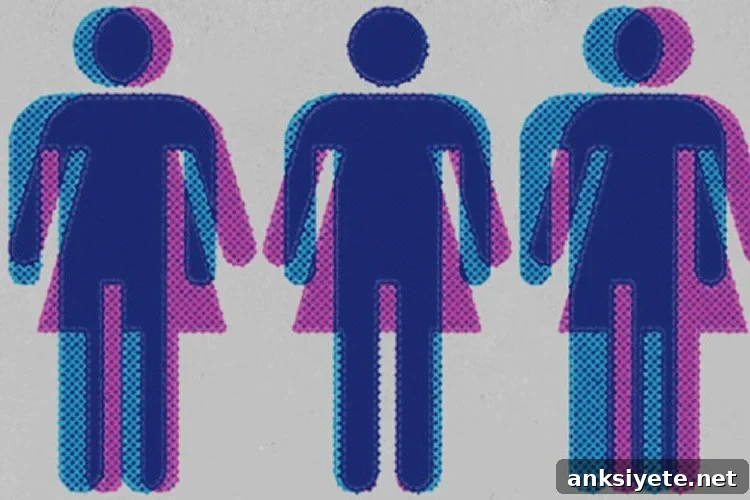
Study reveals baseline characteristics of youth seeking care for gender dysphoria.
Researchers at Children’s Hospital Los Angeles, led by Johanna Olson, MD, are caring for one of the largest clinical populations of transgender youth in the United States. They enrolled 101 young people in a prospective study designed to evaluate the safety and effectiveness of medical care intended to align patients’ bodies with their gender identity. The study’s baseline findings were published July 21 in the Journal of Adolescent Health and include an important result: sex hormone levels in transgender youth were consistent with the sex assigned at birth, not the experienced gender identity.
“We’ve now put to rest the residual belief that transgender experience is a result of a hormone imbalance,” Olson said. “It’s not.”
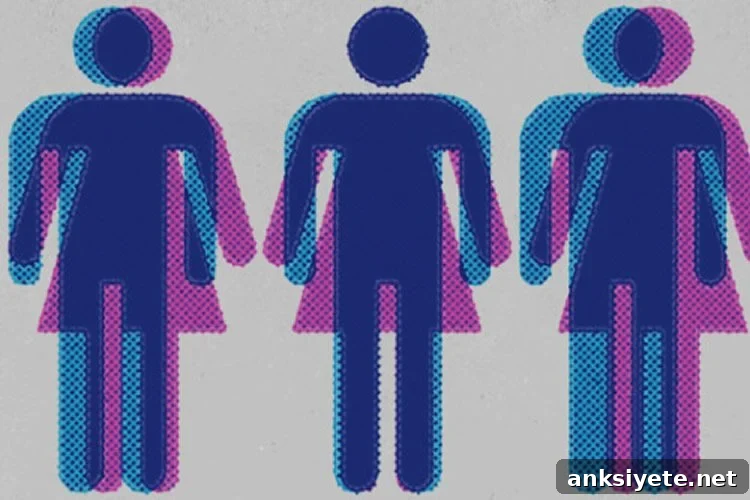
Assigned sex at birth—frequently recorded as “boy” or “girl”—is most often determined by external genital appearance. Transgender people have a gender identity that differs from that assigned sex. When this mismatch causes significant distress or impairment, it is referred to as gender dysphoria. Clinicians report an increasing number of young people seeking care for gender dysphoria and doing so at younger ages than in previous years.
The 101 participants in the study were almost evenly split by assigned sex at birth: roughly half were assigned male at birth and later identified as transfeminine, while the other half were assigned female at birth and later identified as transmasculine. Participants ranged in age from 12 to 24 years.
On average, participants recognized a mismatch between their internal gender and their assigned sex at about age 8. However, they typically disclosed that experience to family members much later, around age 17. This lengthy period of concealment may adversely affect mental health: 35% of participants reported depressive symptoms within clinical ranges, more than half reported having seriously considered suicide at some point, and approximately 30% had made at least one suicide attempt.
Olson emphasized the clinical aim: “My goal is to move kids who are having a gender atypical experience from survive to thrive. With this study we hope to identify the best way to accomplish that.”
The study is ongoing. Future reports will evaluate the safety and effectiveness of medical interventions offered to these youth and measure changes over time in quality of life, risk behaviors, suicidality, and depressive symptoms.
Source: Media Team – Children’s Hospital of Los Angeles
Image credit: Children’s Hospital of Los Angeles
Original research: Abstract for “Baseline Physiologic and Psychosocial Characteristics of Transgender Youth Seeking Care for Gender Dysphoria” by Johanna Olson, Sheree M. Schrager, Marvin Belzer, Lisa K. Simons, Leslie F. Clark, published in Journal of Adolescent Health. Published online July 21, 2015. doi:10.1016/j.jadohealth.2015.04.027
Abstract
Baseline Physiologic and Psychosocial Characteristics of Transgender Youth Seeking Care for Gender Dysphoria
Purpose
This prospective observational study describes baseline physiologic and psychosocial characteristics of transgender youth, ages 12–24, who presented for care at a large urban transgender youth clinic. The goal was to document initial health status and mental health indicators prior to medical interventions intended to support gender transition.
Methods
Consecutive, eligible patients presenting for care between February 2011 and June 2013 were invited to participate. Participants completed a computer-assisted survey at their initial study visit; physiologic data (including laboratory values) were abstracted from medical records. Analyses focused on descriptive statistics, with limited comparisons between transmasculine and transfeminine participants.
Results
One hundred one youth were evaluated for physiologic parameters and 96 completed the psychosocial survey. Approximately half (50.5%) were assigned male at birth. Baseline physiological measures, including sex hormone levels, fell within normal ranges for participants’ sex assigned at birth. Participants reported recognizing gender incongruence at a mean age of 8.3 years (SD = 4.5) but typically disclosed it later to family (mean disclosure age = 17.1 years; SD = 4.2). Gender dysphoria levels were elevated across the sample. Thirty-five percent reported depressive symptoms in the clinical range. More than half reported having seriously considered suicide, and nearly one-third had made at least one suicide attempt.
Conclusions
Baseline physiologic parameters were consistent with the sex assigned at birth. Transgender youth commonly identify a mismatch between internal gender identity and assigned sex at an early age, yet disclosure often occurs much later. High rates of depression and suicidality signal a clear need for timely, appropriate medical and mental health interventions. Longitudinal follow-up will clarify the effects of medical treatments and psychosocial support on health and wellbeing.
“Baseline Physiologic and Psychosocial Characteristics of Transgender Youth Seeking Care for Gender Dysphoria” by Johanna Olson, Sheree M. Schrager, Marvin Belzer, Lisa K. Simons, Leslie F. Clark. Journal of Adolescent Health. Published online July 21, 2015. doi:10.1016/j.jadohealth.2015.04.027