How Fast Structural Signals Stabilize Neuronal Communication
featured 114376

Summary: Neurons can quickly restore balanced communication through a structural signal rather than changes in electrical activity, overturning a long-held assumption about how synapses preserve stability. When receptors on the receiving side of a synapse were pharmacologically blocked, they rearranged physically within the synapse. That structural reorganization triggered the sending neuron to increase neurotransmitter release … Read more
How Molecular Timers in the Brain Decide What We Remember

featured 114126

Summary: New research reveals that long-term memory is not governed by a single molecular switch but by a cascade of timed gene programs that unfold across brain regions. Using a virtual reality learning paradigm in mice, researchers show that experiences pass through multiple biological “durability gates” that either promote memories into more stable forms or … Read more

Experimental Immunotherapy Shows Promise Against Brain Tumors

featured 86630

Summary: Researchers are investigating letrozole — a drug approved for postmenopausal breast cancer — as a potential therapy for glioblastoma, the most aggressive form of brain tumor. Source: University of Cincinnati A question asked in Pankaj Desai’s laboratory has grown into more than a decade of work, a clinical trial and new national funding to … Read more

Attention Deficits in Childhood Leukemia Survivors After Chemo

featured 27908

Pediatric acute lymphoblastic leukemia (ALL) patients treated with chemotherapy alone remain at risk for attention and learning problems that persist after treatment ends, according to investigators at St. Jude Children’s Research Hospital. The findings were published in the Journal of Clinical Oncology. Acute lymphoblastic leukemia (ALL) is the most common childhood cancer and one of … Read more

How Neurons Respond Differently to Electrical Stimulation

featured 102796

Summary: Researchers have found that different neuronal cell classes respond distinctly to external electrical stimulation (ES). Excitatory neurons phase-lock to both slow and fast stimulation frequencies, while inhibitory neurons, particularly fast-spiking types, prefer faster frequencies. These results point to new possibilities for targeted neuromodulation and improved brain therapies. Using highly localized stimulation delivered within tens … Read more

Designing Skin Sensors That Detect Your Mood

featured 65498

Summary: A new wearable system interprets electrical signals from the skin to reveal changes in sweating related to emotion, stress and physical exertion, displaying the data as intuitive, real-time visualisations on a smartphone. Source: Lancaster University Wearable sensors that measure the electrical conductance of the skin can indicate stress, emotional states and physical exertion, offering … Read more

Olive Oil Compound Linked to Brain Cancer Prevention

featured 41272

Summary: Oleic acid, the main fatty acid in olive oil, can promote production of a molecule that suppresses tumor formation in brain cells. Source: University of Edinburgh Oleic Acid from Olive Oil May Block Molecular Steps That Lead to Brain Tumours New laboratory research indicates that oleic acid — the principal fatty acid in olive … Read more

Can Parental Exercise Affect the Health of Future Children?

featured 47888

Summary: New research in mice shows that both physical exercise and mental stimulation can influence the learning ability of their offspring through RNA-based, epigenetic mechanisms. Source: DZNE Physical activity and cognitive training not only benefit the individual brain, they can also produce measurable advantages in the next generation — at least in mice. These intergenerational … Read more

How Theory of Mind Helps Children Tell Lies

featured 24404

New research in Psychological Science finds that children taught to reason about others’ mental states are more likely to use deception to gain a reward. Researchers report that developing “theory of mind” (ToM)—the ability to understand that other people have beliefs, desires, and perspectives different from one’s own—appears to give young children the cognitive tools … Read more

Can an Eye Exam Detect Alzheimer’s Before Symptoms?

featured 54721

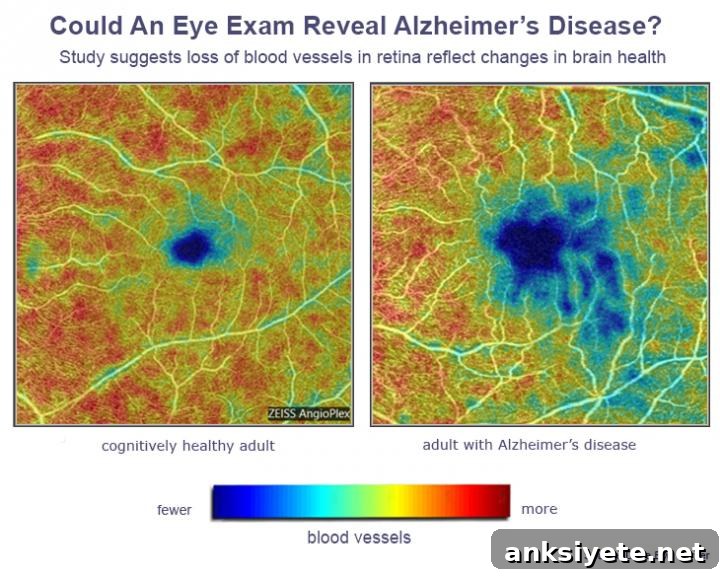
Summary: Research indicates that loss of tiny blood vessels in the retina may reflect changes in brain health associated with Alzheimer’s disease. Source: Duke University Medical Center A routine eye scan could someday help detect early signs of Alzheimer’s disease as well as check a patient’s vision. A study of more than 200 participants at … Read more