
Summary: A new wearable system interprets electrical signals from the skin to reveal changes in sweating related to emotion, stress and physical exertion, displaying the data as intuitive, real-time visualisations on a smartphone.
Source: Lancaster University
Wearable sensors that measure the electrical conductance of the skin can indicate stress, emotional states and physical exertion, offering new ways to monitor wellbeing and optimise performance.
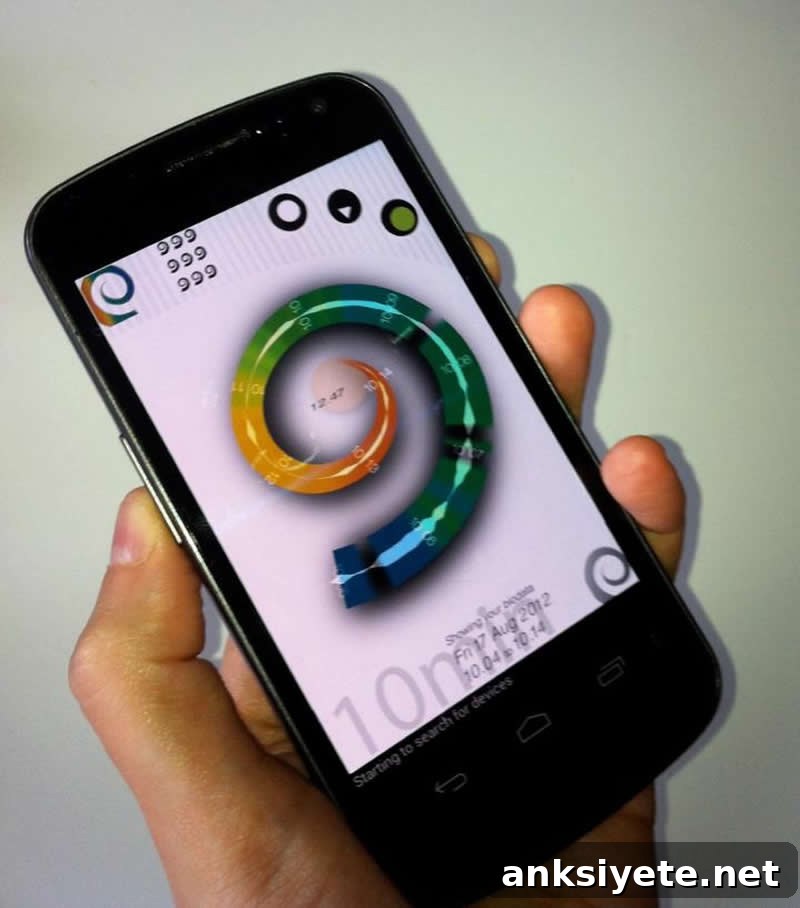
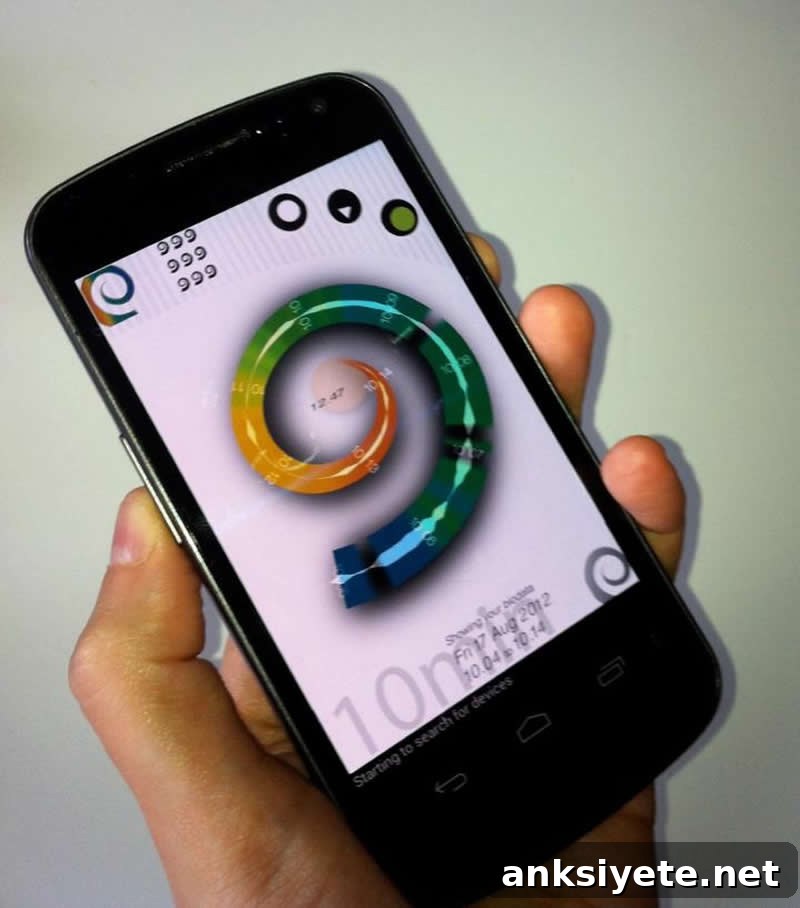
An international research team from Sweden and the UK has developed a novel method to visualise and interpret skin conductance data collected from a wrist-worn wearable. The prototype system, called Affective Health, uses readings from a Philips wristband combined with accelerometer data to present colourful, spiral-style visualisations in real time on a smartphone, while also recording the measurements for later reflection.
Skin conductance reflects levels of perspiration and changes when people experience emotional arousal, physical activity or stress. It has been used historically in contexts such as polygraph testing, and today offers potential for continuous, non-invasive monitoring of affective states when paired with thoughtful design and interpretation.
The Affective Health project was developed by researchers specialising in Human–Computer Interaction who explored how biodata from on-body sensors can be represented in engaging and meaningful ways for everyday users. The system translates subtle fluctuations in skin conductance into colours and dynamic spiral graphics, while movement data helps distinguish between sweaty responses caused by physical activity and those arising from emotional or social triggers.
Dr Pedro Sanches, senior researcher at KTH Royal Institute of Technology in Stockholm and lead author of the study, explained the challenge: “Our bodies generate many measurable signals. Devices like heart-rate monitors are well understood, but other biodata streams—skin conductance among them—are less familiar to users and harder to interpret. We wanted to explore how to present these signals so people could discover useful personal insights and decide how to engage with them.”
To test the prototype, 23 participants took the Affective Health device home for a month. Rather than prescribing a specific use, the researchers purposely left the device open-ended. Participants received basic guidance: the wearable measured both physical and emotional reactions, increases in perspiration raise skin conductance, and colours represented different signal levels. Beyond that they were encouraged to explore and find their own ways to use the information.
This open, user-driven stage revealed diverse and personally meaningful applications. Some participants adopted the device as a stress-management aid, using the visualisations to notice, measure and respond to periods of tension. Others, including elite athletes, used the system to supplement training and recovery routines by observing how exertion and rest correlated with skin conductance patterns. A number of users logged emotional episodes and tracked mood over time. Interestingly, most participants settled on a single primary use rather than switching frequently between purposes.
Professor Kristina Höök of KTH observed that participants’ initial expectations strongly influenced how they read and used the data: “If someone saw the wearable primarily as a sports tool, they often overlooked patterns that pointed to stress or social anxiety. Conversely, those who expected emotional feedback tended to ignore sport-related signals about exertion. We also saw people resist data that conflicted with their self-image — for example, a participant who considered themselves calm struggled to accept frequent peaks in their recordings.”
The pilot study showed the value of an initial exploratory phase in design: it helps people develop their own interpretations and discover potential uses for unfamiliar biodata. At the same time, the researchers found that the open prototype lacked specific features required for optimised use in dedicated roles. To serve effectively as a sports-training aid or a stress-management tool, for instance, the device would benefit from a second design stage that tailors visualisations, alerts and analytics to the intended purpose.
The project is part of AffecTech: Personal Technologies for Affective Health, an Innovative Training Network funded under the European Union’s Horizon 2020 programme and coordinated by Professor Corina Sas in the School of Computing and Communications at Lancaster University.
Professor Sas highlighted the broader implications for designers of wearable biodata devices: “Design plays a crucial role in helping users make sense of their bodily responses. Our findings support a two-step approach: start with an open design phase that lets users explore and form personal uses for unfamiliar biodata, then follow with a targeted development phase that adapts the interface and features for specific activities such as wellbeing, health monitoring or productivity.”
Funding: This research also received support from the Swedish Foundation for Strategic Research.
Authors: Pedro Sanches and Kristina Höök (Royal Institute of Technology, Sweden), Corina Sas (Lancaster University) and Anna Stahl (RISE).
Presentation: The findings were scheduled to be presented at the 2020 ACM CHI Conference on Human Factors in Computing Systems.