
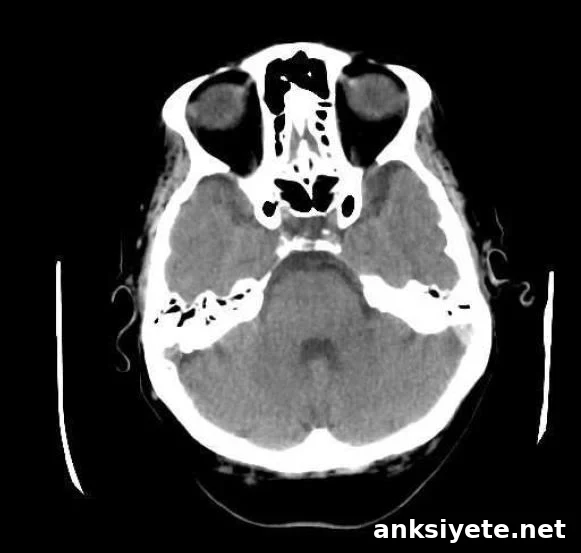
Study identifies gene regions linked to Behçet’s disease, a poorly understood condition that causes painful ulcers and serious inflammation, including in the brain
Researchers remain uncertain about the exact cause of Behçet’s disease, a chronic inflammatory disorder that produces painful oral and genital sores and can lead to severe complications such as blindness and brain inflammation. New research led by the University of Michigan offers a clearer picture of genetic factors that make some people more vulnerable to the disease.
Major genetic insights from a large international analysis
In one of the most comprehensive genetic studies of Behçet’s disease to date, an international team led by the University of Michigan identified previously unreported genetic variants and mapped multiple independent risk regions. The findings, published in Nature Genetics, refine our understanding of how inherited genetic variation contributes to this inflammatory condition.
“Behçet’s disease causes significant and sometimes devastating complications, and because it is not well understood, treatment options remain limited,” says Amr Sawalha, M.D., associate professor of internal medicine in the division of rheumatology at the U‑M Medical School and lead author on the study. “Our work has enabled the identification and localization of robust genetic risk factors in a way that should help researchers better understand the mechanisms behind this disease.”
What the study found about the HLA region
One of the most important discoveries is a more nuanced view of genetic risk within the human leukocyte antigen (HLA) region on chromosome 6. The HLA region has long been associated with autoimmune and inflammatory disorders, and a particular HLA variant called HLA‑B*51 has been strongly linked to Behçet’s disease. This new analysis shows that risk is not limited to HLA‑B*51: researchers identified at least four independent susceptibility regions within the HLA that are associated with Behçet’s disease.
Because the HLA region is highly complex and plays a central role in the immune response, localizing multiple independent risk loci within this area is a significant technical and scientific advance. The study’s approach to dissecting genetic risk in the HLA can be applied to other autoimmune and inflammatory diseases, improving the precision with which genetic contributions are mapped.
Clinical significance and disease features
Behçet’s disease causes chronic inflammation of blood vessels throughout the body and can affect multiple organ systems, including the eyes, brain, skin, joints, and gastrointestinal tract. Common symptoms include recurrent mouth and genital ulcers, eye inflammation that can reduce vision, skin rashes and lesions, joint pain and swelling, abdominal pain, and diarrhea. The disease can also produce neurological complications: inflammation of the brain may lead to headaches, fever, balance problems, or, in severe cases, stroke. Vascular inflammation can increase the risk of aneurysms and other serious complications.
Understanding the genetic architecture of Behçet’s disease is an important step toward improved diagnostic accuracy and, eventually, better targeted therapies. By identifying multiple independent genetic signals in a region of the genome that governs immune responses, researchers can pursue more focused functional studies to determine how these variants influence immune cells and inflammatory pathways.
International collaboration and research context
The University of Michigan–led team collaborated with investigators from Turkey, Italy, Germany, and the Netherlands. Behçet’s disease occurs across all ethnic groups but shows higher prevalence along the historical Silk Road, including regions of East Asia, Turkey, and countries bordering the Mediterranean and the Middle East. The multi‑center nature of the study and its large sample size helped uncover genetic associations that might be missed in smaller or single‑population analyses.
Funding and publication
Funding for the study was provided by The Rheumatology Research Foundation. The peer‑reviewed results were published in Nature Genetics in a paper titled “Identification of multiple independent susceptibility loci in the HLA region in Behçet’s disease.” The original research article lists Travis Hughes, Patrick Coit, Adam Adler, Vuslat Yilmaz, Kenan Aksu, Nursen Düzgün, Gokhan Keser, Ayse Cefle, Ayten Yazici, Andac Ergen, Erkan Alpsoy, Carlo Salvarani, Bruno Casali, Ina Kötter, Javier Gutierrez‑Achury, Cisca Wijmenga, Haner Direskeneli, Güher Saruhan‑Direskeneli and Amr H Sawalha as authors. DOI: 10.1038/ng.2551.
Notes about this neurogenetics research article
Contact: Beata Mostafavi – University of Michigan Health System
Source: University of Michigan Health System press release
Image credit: P Thomas et al, via Wikimedia Commons, credited in the original release.
Original Research: “Identification of multiple independent susceptibility loci in the HLA region in Behçet’s disease,” Nature Genetics. DOI: 10.1038/ng.2551.