
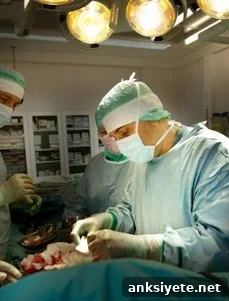
Pioneering stem cell–based transplant technology is being developed and tested for new organs and tissues.
Surgeon Paolo Macchiarini has gained international attention for performing transplants of bioengineered tracheas created from a combination of synthetic scaffolds and the patient’s own stem cells. Building on that work, he is now extending the approach to attempt reconstruction of more complex tissues and organs, including the oesophagus and diaphragm, and ultimately to organs such as the heart and lungs. His team has also reported experimental efforts to regenerate brain tissue in rodents. These projects and their implications will be presented during his seminar at the AAAS Annual Meeting in Boston.
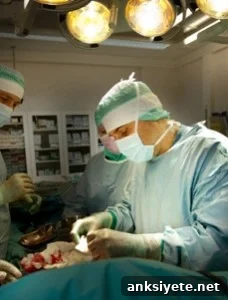
In June 2011 the global media reported a landmark operation in which a patient received an artificial trachea seeded with their own stem cells, producing a functioning airway with biological characteristics. To date, the technique has been used in five operations. Each clinical case has provided practical lessons that the surgical and research teams use to refine the methods, scaffold designs, cell preparation and postoperative care.
“We learn something from each operation,” says Paolo Macchiarini, Professor of Regenerative Surgery at Karolinska Institutet and the surgeon responsible for these procedures. “That experience lets us improve the technique and explore how it might be applied in other specialties, such as neurology. Our goal is to make as much use as possible of the body’s own healing potential.”
At the AAAS meeting, Macchiarini will outline immediate plans, recent experimental results and future directions. Key topics include:
- A planned operation on a two‑year‑old girl in the United States, scheduled for March. Born without a trachea, she has been dependent on intensive care and breathes through a tube connected directly to her lungs. Without a reconstructed airway she cannot leave hospital. This procedure would be the first time the method is attempted in a small child and the first time it would be used to create a trachea for a patient born without one, rather than replacing a diseased organ.
- Plans to adapt the technique to rebuild the oesophagus, an organ that presents greater complexity than the trachea because it contains layered musculature and must support coordinated movements for swallowing. Translating scaffold and cell strategies from a hollow tubular airway to a muscular conduit will require further refinement and careful functional testing.
- Preclinical experiments in rats and mice aimed at restoring brain tissue damaged by severe trauma, such as that caused by traffic accidents, gunshot wounds or extensive surgical resections. In these animal trials, researchers have tested whether cultivated, stem cell–derived material can replace lost neural tissue and reduce neurological deficits. Early results from these experiments have been presented as encouraging, supporting further study in controlled settings.
- Two critically ill patients with acute, treatment‑resistant lung failure were treated with a stem cell–based therapy that produced measurable, immediate functional improvements in lung performance. Although both patients subsequently died because of multi‑organ failure, the outcomes offered initial evidence that stem cell interventions may help restore function in severely damaged organs and might, in some cases, provide alternatives to full organ replacement with donor tissues.
These lines of work underscore the potential of regenerative surgery to address the shortage of donor organs and to reduce the need for lifelong immunosuppression that accompanies many conventional transplants. At the same time, each step toward clinical application requires rigorous evaluation of safety, reproducibility and long‑term outcomes. The research team emphasizes ongoing monitoring, iterative refinement of techniques and careful ethical and regulatory oversight as they seek to translate laboratory advances into reliable patient treatments.
Notes about this stem cell research article
The symposium “Stem Cell‑Based Bioartificial Tissues and Organs” is scheduled to take place at the Hynes Convention Center in Boston, room 207, on Monday, 18 February from 09:45 am to 11:15 am during the AAAS Annual Meeting.
Contact: Sabina Bossi – Karolinska Institutet
Source: Karolinska Institutet press release
Image Source: Image adapted from Karolinska Institutet press release.
Original Research: The research and findings will be presented at the AAAS Annual Meeting in Boston.