Mild Combat TBI Linked to Higher PTSD Risk in Soldiers

featured 6562

Study Links PTSD to Hidden Head Injuries Suffered in Combat A study from the University of Rochester Medical Center suggests that very subtle brain injuries sustained during combat—injuries so slight they are detectable only with advanced imaging—may increase the risk of developing post-traumatic stress disorder (PTSD). This finding has implications for how clinicians evaluate and … Read more
Microplastics in Arteries Linked to Stroke Symptoms

featured 109032

Summary: A new study found dramatically higher concentrations of micronanoplastics—tiny plastic particles originating from degraded plastics in the environment—in the carotid arteries of people with plaque-related stroke symptoms compared with those who had healthy arteries. Individuals with symptomatic carotid plaque showed plastic levels up to 51 times greater than age-matched artery samples from donors without … Read more

Rapid Neurological Assessment: Spot Problems in Seconds

featured 45766

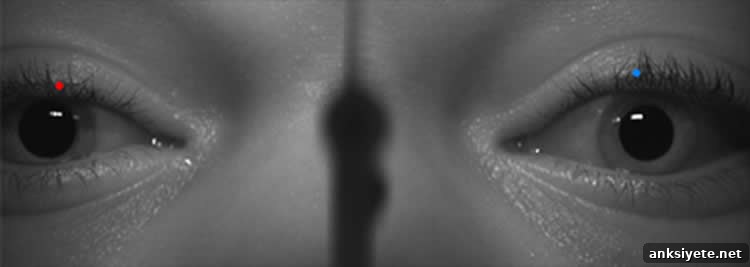
Summary: Researchers report that a portable blink reflexometer can give doctors objective, quantitative data to help detect neurological problems ranging from concussion to Parkinson’s disease. Source: Medical University of South Carolina The blink reflex is highly sensitive to a variety of neurological insults — including traumatic brain injury (TBI), Parkinson’s disease and Huntington’s disease — … Read more

Can Yoga Ease Symptoms of Menstrual Disorders?

featured 40345

Summary: A systematic review indicates that yoga can help reduce pain and improve mood for women experiencing a variety of menstrual disorders. Source: Mary Ann Liebert Inc. Overview A systematic review of published studies examining yoga and common menstrual disorders found consistent, beneficial effects across the literature. The review evaluated the impact of various yoga … Read more

Performance-Enhancing Drugs Linked to Eating Disorders

featured 80135 1

Summary: A lifetime history of appearance- and performance-enhancing drug and substance (APEDS) use is linked to symptoms of eating disorders, particularly among users of protein and creatine supplements and those using diuretics. Source: University of Toronto As cultural ideals increasingly emphasize muscularity and leanness, use of appearance- and performance-enhancing drugs and substances (APEDS) — from … Read more

How Genes Shape Our Love of Music

featured 108295

Summary: A large genetic twin study finds that the capacity to enjoy music is substantially influenced by heredity. Analysing data from more than 9,000 twins, researchers estimate that around 54% of the variation in music reward sensitivity is associated with genetic differences. The study further shows that genetic contributions to musical pleasure are not identical … Read more

Can Your Scent Reveal If You’ve Been Near Someone Sick?

featured 51484

Summary: New research shows that healthy animals living with sick companions develop bodily odor changes that resemble the odors of sick animals. These odor changes may influence social behavior and affect how disease spreads within groups. Source: Monell Chemical Senses Center Odors provide rich information about individuals, including clues to health. Researchers at the Monell … Read more

Can Brain Stimulation Change How You Enjoy Music?

featured 45036

Summary: Researchers used transcranial magnetic stimulation to both increase and decrease how much people enjoy music and their motivation to hear it again. Source: McGill University Musical enjoyment is commonly seen as a subjective experience: what delights one listener may irritate another. Although musical taste varies, theorists have long argued that structural features such as … Read more

How Gene Activity Shapes Neuron Types and Brain Signaling

featured 43590

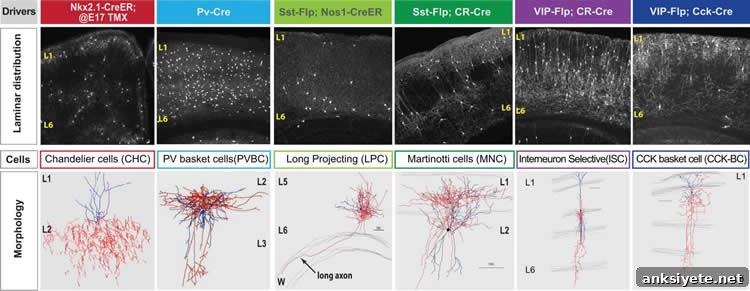
Summary: A Cell study from Cold Spring Harbor Laboratory reveals a molecular-genetic basis for neuronal cell types. Researchers found that families of genes encoding proteins involved in neurotransmission define neurons by determining their connection partners and modes of communication. Neuron Types in the Brain Are Defined by Gene Activity That Shapes Their Communication Patterns Cold … Read more

Dogs Detect Human Stress Scent and Change Mood and Behavior

featured 103798

Human Stress Odours Make Dogs More ‘Pessimistic’ and Alter Learning, New Study Shows Summary: New research from the University of Bristol reveals that dogs exposed to human stress odours make more cautious, slower decisions in ambiguous situations—behavior described as “pessimistic.” The study demonstrates that the scent of stressed humans not only affects a dog’s emotional … Read more