How the Circadian Clock Drives Inflammation and Disease

featured 107160

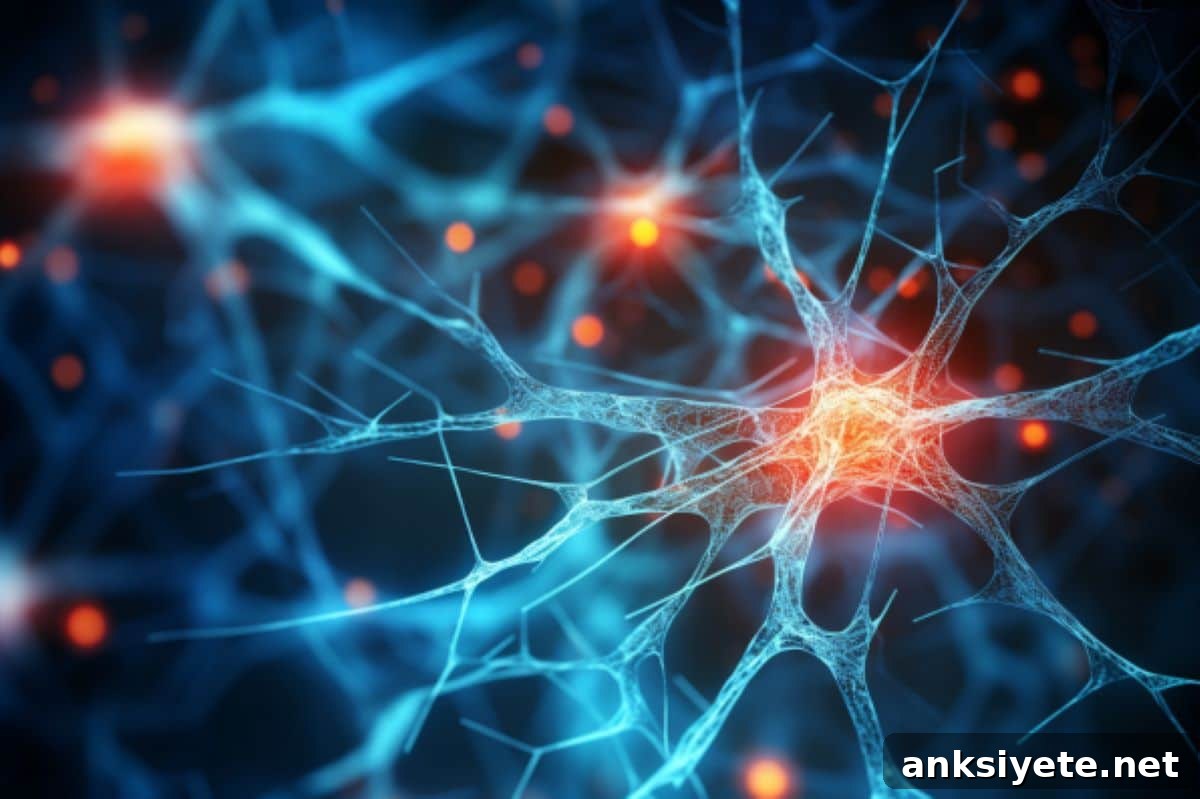
Summary: New research from RCSI University of Medicine and Health Sciences shows that the body’s circadian clock regulates macrophage activity and, in turn, the intensity of inflammation over a 24-hour cycle. Activation of the NLRP3 inflammasome—a central driver of innate immune responses—peaks during the morning when macrophages exhibit higher metabolic and functional readiness. This rhythm … Read more
How the Immune System Shapes Brain Development

featured 48035

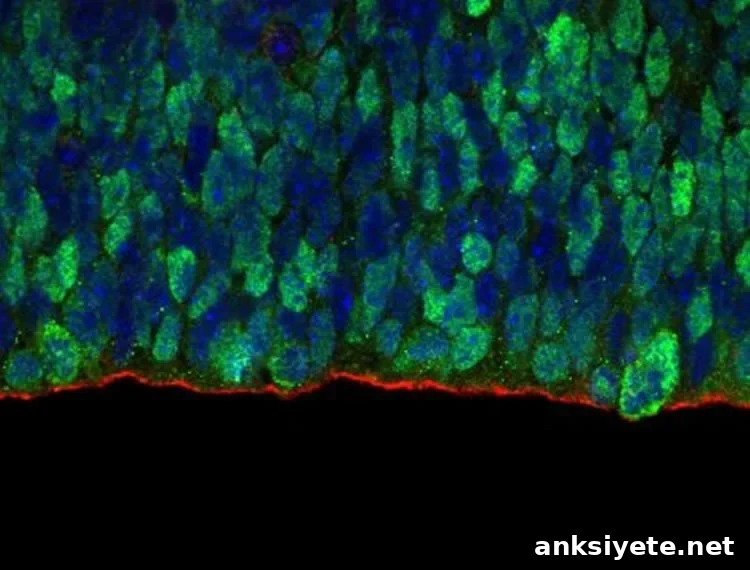
Summary: New research from the University of Queensland strengthens evidence that immune system activity during pregnancy can influence fetal brain development. The study suggests that disruptions to complement proteins — components of the innate immune system — may contribute to the origins of developmental and adult psychiatric disorders. Source: University of Queensland Immune System Activity … Read more

New Imaging Method Reveals Hidden Brain Activity

featured 15153

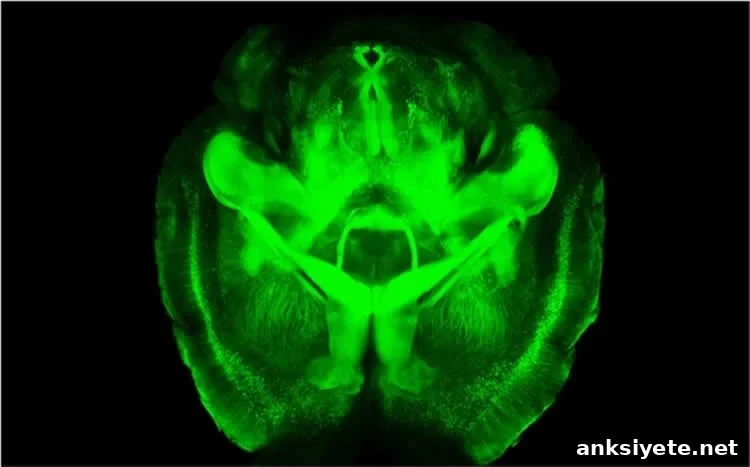
Bio-X researchers have refined their CLARITY method for imaging intact brains, making it safer, more reliable and easier to adopt. These improvements promise to accelerate studies of neural circuits, memory, disease and behavior. Last year, Stanford professor Karl Deisseroth introduced CLARITY, a technique that renders whole brains transparent so researchers can view their internal wiring … Read more

Early Alcohol Exposure Imprints Molecular Changes on Placenta

featured 105282

Summary: A new study demonstrates that alcohol exposure during the very earliest stage of pregnancy — before the embryo implants in the uterus — produces detectable molecular changes in the placenta late in gestation. These changes include alterations in DNA methylation, an epigenetic mechanism that can modify gene expression, and affect pathways tied to growth … Read more

Glymphatic System Drives Alpha-Synuclein Spread in Parkinson’s

featured 96859

Summary: Researchers have clarified a key step in Parkinson’s disease progression: a mutated form of the protein α-synuclein travels through the brain’s lymphatic drainage—the glymphatic system—before it forms the pathological clumps associated with disease. This discovery shifts attention to early, monomeric α-synuclein movement as a potential therapeutic target to slow or stop disease spread. In … Read more

How the Brain Integrates Multiple Senses for Navigation

featured 97002

Summary: A multidisciplinary research team is using the fruit fly, Drosophila melanogaster, to investigate how the brain builds a stable, accurate representation of the world from multiple sensory inputs. Backed by a $6.5 million grant from the NIH Institute of Neurological Disorders and Stroke, the project focuses on how the fly integrates information from antennae, … Read more

How Experts Identify Potential Mass Shooters

featured 85462

Summary: Researchers examine the so‑called “red flags” people associate with those who commit mass killings and consider how realistically we can identify problematic behaviors before someone carries out an attack that harms multiple victims. Source: The Conversation After mass shootings, people naturally search for answers. We also want to find the root cause. When a … Read more

New Study Uncovers Missing Link Between Brain and Immune System

featured 20909

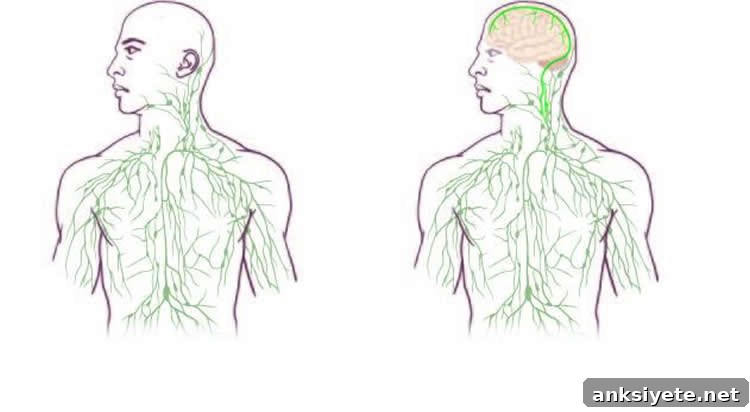
Profound implications for neurological disorders from autism to Alzheimer’s to multiple sclerosis Researchers at the University of Virginia School of Medicine have made a breakthrough that challenges long-standing textbook assertions: the brain is directly connected to the peripheral immune system through lymphatic vessels that were previously thought not to exist. The discovery is surprising because … Read more

How AI Robots Use Touch and Vision to Handle Objects Like Humans

featured 112635

Summary: Researchers have developed a new method that allows robots to combine sight and touch to handle objects with greater accuracy and adaptability. The system, called TactileAloha, fuses visual, tactile, and proprioceptive data to enable bimanual robotic manipulation that better reflects how humans use multiple senses when interacting with everyday items. Where vision-only systems often … Read more

New Study Maps Genetic Roots of Major Depression

featured 74383

Summary: A large genome-wide association study identifies 178 genetic loci associated with major depressive disorder, offering new biological insights and potential therapeutic directions. Source: Yale A large-scale genome-wide association study (GWAS) analyzing genetic and health records from more than 1.2 million people has identified 178 genetic variants linked to major depressive disorder (MDD), a condition … Read more