Skin Biopsies May Detect Parkinson’s Disease Earlier

featured 68960

Summary: A chemical assay can detect traces of Parkinson’s-related alpha-synuclein in skin samples. Source: Iowa State University New research demonstrates that a simple skin test can accurately identify Parkinson’s disease, proving the feasibility of this diagnostic approach. Parkinson’s disease is currently diagnosed based on clinical signs and symptoms and can only be confirmed definitively at … Read more

Blue Brain Marker Peaks in Midlife, Linked to Cognitive Aging

featured 109140

Summary: Researchers mapped how the locus coeruleus (LC) — a tiny, pigmented region deep in the brainstem linked to attention, memory and Alzheimer’s risk — changes across the adult lifespan by measuring neuromelanin using specialized MRI. In a racially and socioeconomically diverse sample of healthy volunteers aged 19 to 86, LC signal intensity followed an … Read more

How Striosome Neurons in the Basal Ganglia Drive Learning

featured 48017

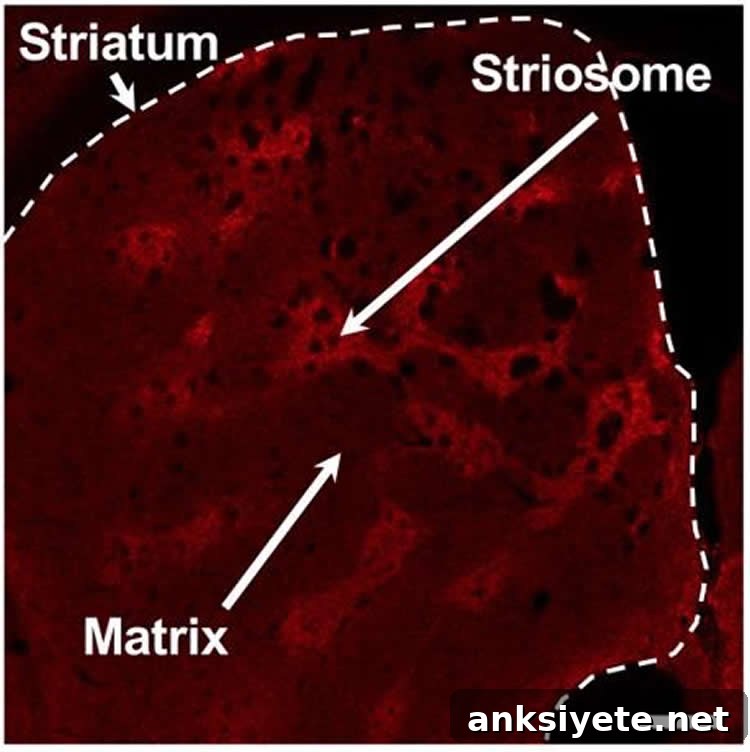
Summary: New imaging of striosomal neurons reveals their role in predicting rewards and aversive outcomes during reinforcement learning. Source: OIST A surprising reward or a sudden penalty can become a lasting memory. If you touch a hot oven, you quickly learn to avoid it. Learning through trial and error—called reinforcement learning—helps animals and humans adapt … Read more

X-Ray Imaging Reveals Transparent Brains for Research

featured 23515

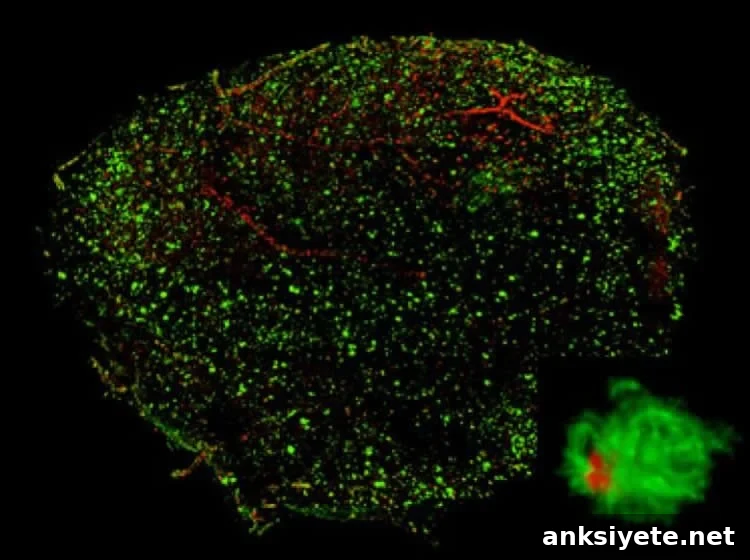
Researchers at the RIKEN Brain Science Institute in Japan have developed an improved method for rendering biological tissue transparent, enabling high-resolution three-dimensional visualization of brain anatomy. Published in Nature Neuroscience, this work introduces ScaleS, a practical optical clearing technique that preserves structure and fluorescence while revealing new details of Alzheimer’s disease pathology. “The value of … Read more

New Study Finds Melatonin Improves Memory

featured 69778

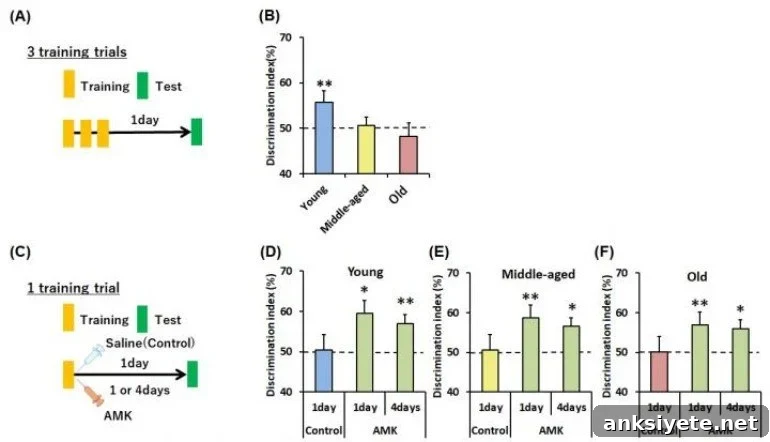
Summary: Melatonin and its brain metabolite AMK improve long-term memory and protect against age-related cognitive decline in mice. Source: Tokyo Medical and Dental University Researchers at Tokyo Medical and Dental University (TMDU) report that melatonin and its metabolites support long-term memory formation and can prevent memory loss in mice. Dietary supplements marketed for memory—such as … Read more

Hair Follicle Stem Cells Promote Myelin Repair in Mice

featured 55737

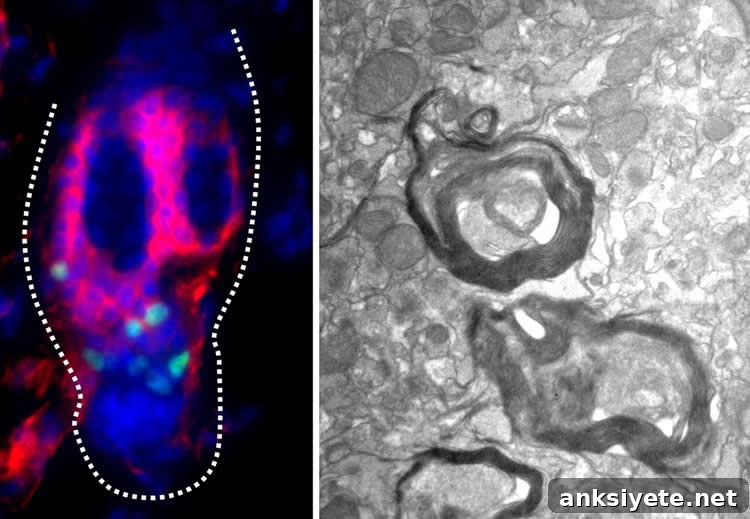
Summary: Melanocyte stem cells in human hair follicles that express CD34 can be directed to form glial cells and generate myelin. CD34-positive melanocyte stem cells (McSCs) restored myelin on neurons in cell culture and improved myelination when introduced into mice with a genetic defect that prevents normal myelin formation. These results suggest a promising new … Read more

Eavesdropping on Fat-to-Brain Signaling

featured 85912

Summary: Researchers have identified sensory neurons that relay information about stress and metabolism from adipose (fat) tissue back to the brain. Source: Scripps Research Institute How does fat communicate with the brain? For decades, scientists assumed that hormones released into the bloodstream were the primary way adipose tissue signaled metabolic state and stress to the … Read more

Prenatal Brain Scans Reveal Early Signs of Autism

featured 92740

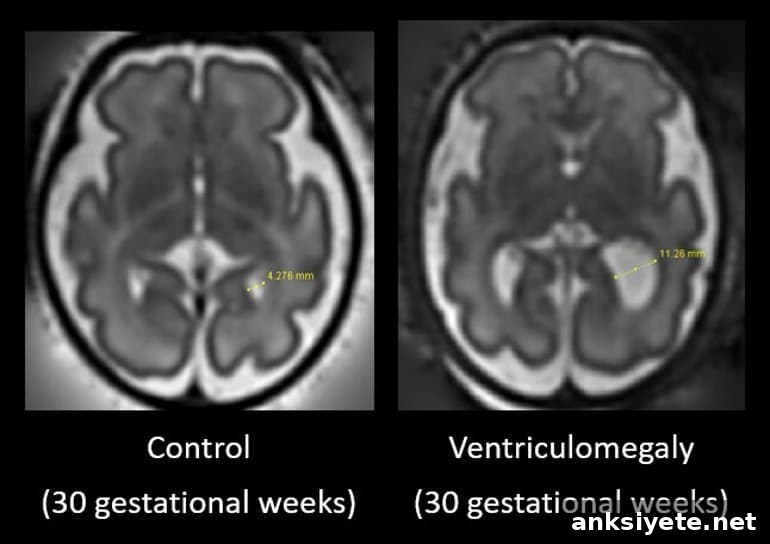
Summary: Researchers at King’s College London report a link between autism traits and isolated fetal ventriculomegaly — the most commonly detected antenatal brain abnormality. Using fetal and childhood MRI together with comprehensive developmental assessments, the study highlights the potential value of early identification, counseling and timely intervention for affected families. Source: King’s College London King’s … Read more

ADHD Linked to Higher Dementia Risk

featured 108237

Summary: A new study shows that adults diagnosed with attention deficit hyperactivity disorder (ADHD) have brain changes that resemble those seen in early-stage dementia. Researchers using advanced MRI techniques and blood biomarkers found increased iron accumulation in specific brain regions and higher levels of neurofilament light chain (NfL) in the blood—both recognized indicators of neurodegenerative … Read more

Study: Elite Football Players Face Higher Dementia Risk

featured 91590

Summary: Male elite football players who competed in Sweden’s top division showed a 1.5-fold higher risk of developing neurodegenerative disease—primarily Alzheimer’s disease and other dementias—compared with matched population controls. Source: The Lancet New cohort research published in The Lancet Public Health finds that male footballers who played in Sweden’s top division (Allsvenskan) between 1924 and … Read more