Why People With Anxiety Prefer Worrying to Relaxation

featured 59816

Summary: People with anxiety and depressive disorders can sometimes resist relaxation; sensitivity to sudden increases in negative emotion helps explain why relaxation can paradoxically trigger anxiety. Source: Penn State Relaxation is generally recommended for physical and mental wellbeing, but new Penn State research shows that some people—especially those sensitive to sudden shifts into negative emotion—may … Read more


Brain Structure May Predict Risk-Taking Behavior

featured 16081

Brain structure in the parietal cortex may predict how willing people are to take risks Researchers at Yale School of Medicine report that the size of a specific region in the parietal cortex is associated with individual differences in risk-taking. In a study led by Ifat Levy, assistant professor in comparative medicine and neurobiology, participants … Read more

Migraine in Men Linked to Higher Estrogen Levels

featured 50084

Summary: A small study finds that men who suffer migraines have higher blood levels of estrogen than men who do not experience these disabling headaches. Source: AAN Estrogen, a hormone long associated with migraine in women, may also be linked to migraine in men, according to a small study published in the June 27, 2018, … Read more

New Cellular Targets Could Transform Glioblastoma Treatment

featured 105885

Summary: Researchers at the University of Toronto have identified actionable vulnerabilities in glioblastoma cancer stem cells, offering a promising route for more effective treatments against this aggressive brain tumor. By screening patient-derived stem cell lines with CRISPR technology, the team mapped two primary cell states that drive tumor growth—each with distinct genetic weaknesses that could … Read more

Lip Size Affects Beauty Perception: How Men and Women Differ

featured 108578

Summary: New research shows that lip size has a noticeable effect on how people judge facial attractiveness, and those judgments vary by the observer’s gender and recent visual experience. Female participants tended to prefer fuller lips on female faces, while male participants generally preferred natural lip proportions. The study also found that recent exposure to … Read more

Could Larger Brains Improve Human Vision?

featured 15208

Larger brain regions may have evolved to improve the way animals perceive the world, increasing both the amount of information they can process and the accuracy of that processing, according to new research from the University of Bath’s Department of Psychology. Reports that large brains are unnecessary or merely evolutionary accidents have grown more common. … Read more

Gene Therapy Shows Promise for Alzheimer’s in Mice

featured 35020

Summary: Researchers report they have successfully prevented the development of Alzheimer’s in mice by delivering a protective gene to the brain using a modified virus. Source: Imperial College London. Gene therapy prevented Alzheimer’s-like pathology in mice by delivering PGC-1α to specific brain regions. Researchers at Imperial College London report that delivering the PGC-1α gene directly … Read more

How Negative Emotions Undermine Trust

featured 54825

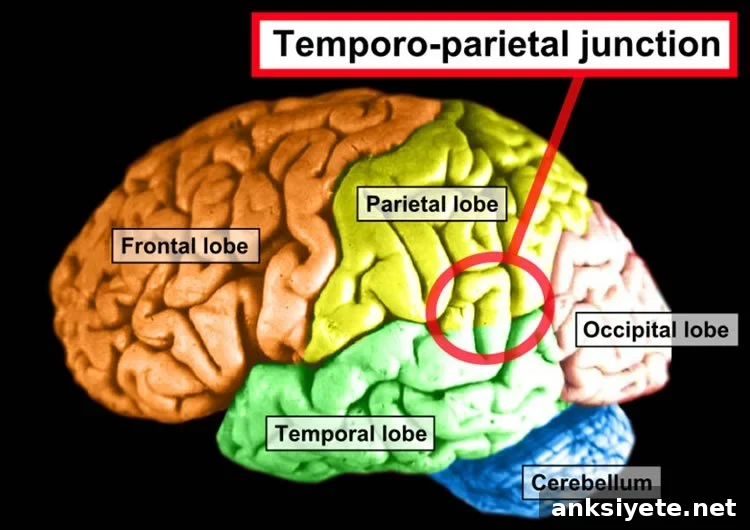
Summary: A new study finds that when people experience threat-induced negative emotions, activity in the temporoparietal junction (TPJ) and its connectivity with the amygdala are suppressed, and trust toward others declines. Source: University of Zurich Bad moods and incidental negative emotions can change how we treat others — and they can make us less trusting. … Read more

Brain Breakthrough Could Slow Age-Related Cognitive Decline

featured 50565

Summary: Researchers report that restoring the function of lymphatic vessels that surround the brain significantly improves learning and memory in aged mice, offering a potential new strategy to prevent or treat Alzheimer’s disease and age-related cognitive decline. Source: University of Virginia Health System. Aging lymphatic vessels that connect the brain to the immune system play … Read more

New Study Reveals How Movement Changes Your Hearing

featured 15894

When we want to listen closely to someone, the first thing we do is stop talking. The second is to hold still. Those quieting behaviors improve hearing by preventing noise from our own movements from masking important sounds. That same relationship between movement and hearing exists inside the brain. For years, indirect evidence has hinted … Read more