Brain’s Traffic Light: How Neurons Regulate Signals

featured 38923

Summary: Researchers have mapped how five subregions of the prefrontal cortex contribute to deciding whether to initiate or withhold movement. Source: University of Freiburg. The decision to act or to remain still in response to a stimulus depends on a delicate balance between excitation and inhibition in the prefrontal cortex (PFC). Synaptic circuits at the … Read more
Study: Cortisol Lowers Altruism in Highly Empathetic People

featured 81430

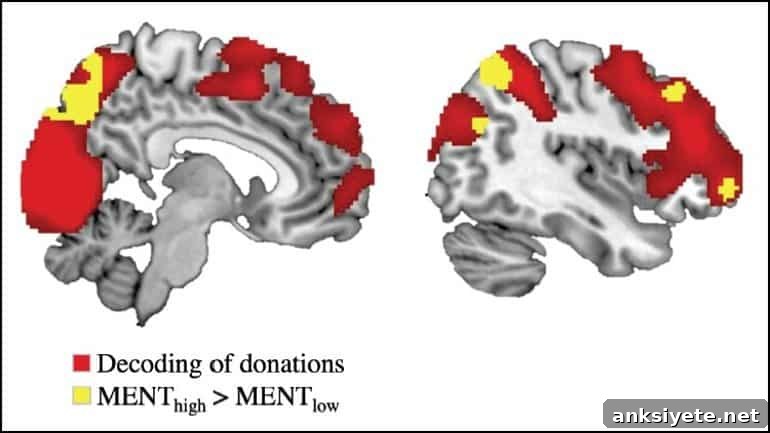
Summary: The stress hormone cortisol reduces altruistic choices and changes activity in the dorsolateral prefrontal cortex, especially in people with stronger capacity to infer others’ mental states. Source: SfN New research published in The Journal of Neuroscience shows that cortisol—the hormone released during stress—can reduce charitable giving and alter neural value representations in brain regions … Read more

Building Brain Models With LEGO Bricks

featured 41600

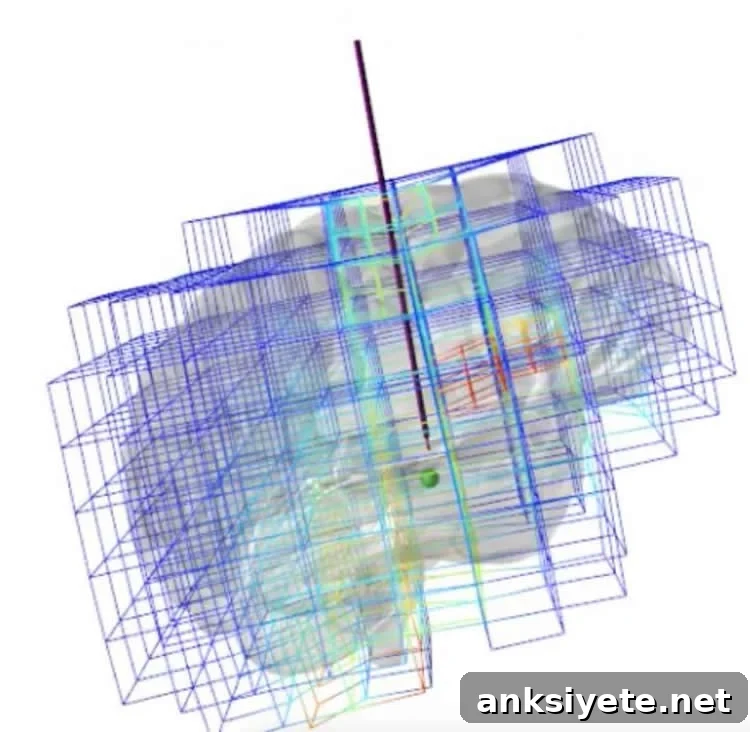
Summary: A new computational method could help guide surgeons during brain operations by predicting organ deformation in real time. Source: University of Luxembourg A new simulation tool for brain surgeons Researchers at the University of Luxembourg, in collaboration with the University of Strasbourg, have developed a computational approach intended to assist surgeons during brain surgery. … Read more

Dopamine’s Role in Consciousness: Neuroscience Explained

featured 76433

Summary: New research suggests dopamine plays a central role in maintaining conscious awareness. Source: The Conversation Consciousness is one of the most important and puzzling subjects in science. It underpins our ability to be aware of ourselves and to interact with the world, yet exactly how conscious experience emerges from brain activity remains difficult to … Read more

Study Finds Brain Chemical Changes in Earliest Psychosis

featured 44160

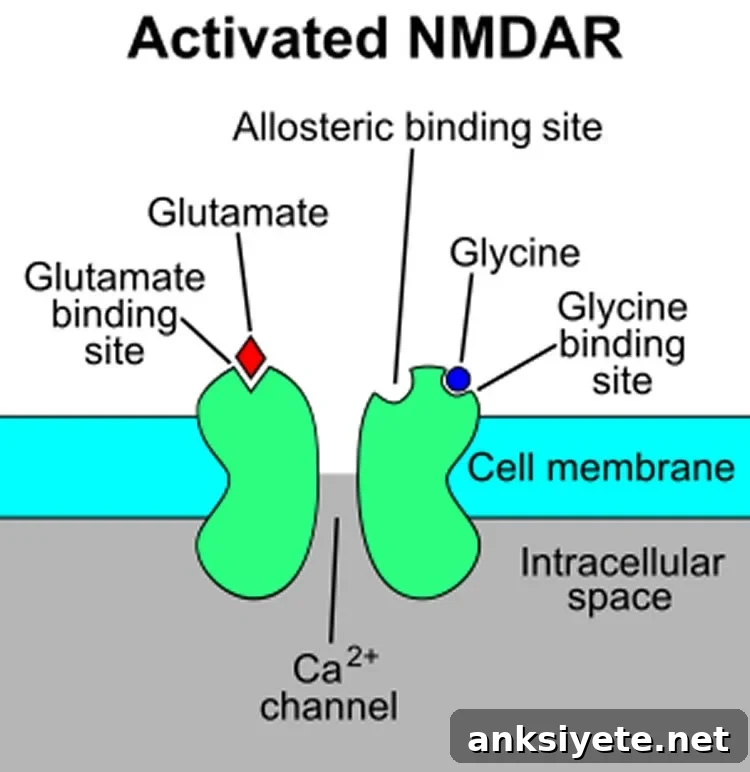
Elevated Glycine and Glutamate Linked to First-Episode Psychosis Summary: Elevated glycine and glutamate levels are associated with the onset of psychosis, according to a new study. Source: Elsevier. A new study led by Dr. Dost Öngür at Harvard Medical School reports elevated concentrations of the brain chemicals glutamate and glycine in young people experiencing a … Read more

Can Deep Brain Stimulation Help Treatment-Resistant Depression?

featured 115801

Summary: About 30% of people with major depression do not respond sufficiently to standard medications, psychotherapy, or other established treatments — a condition called treatment-resistant depression (TRD). Researchers are investigating deep brain stimulation (DBS) as a potential option for these patients, with clinical trials underway to test safety and long-term benefit. DBS, an FDA-approved therapy … Read more

How Chronic Stress Drives Weight Gain: The Biological Link

featured 34878

Summary: Researchers have identified molecular elements that link anxiety and metabolic disorders. Source: Hebrew University of Jerusalem. Researchers at the Hebrew University reveal a molecular connection between anxiety and metabolic disorders, opening new possibilities for detection and treatment. Metabolic conditions such as obesity and diabetes, together with anxiety-related disorders, represent a growing public health challenge … Read more

How ADHD Medication Changes the Brain’s Reward System

featured 61624

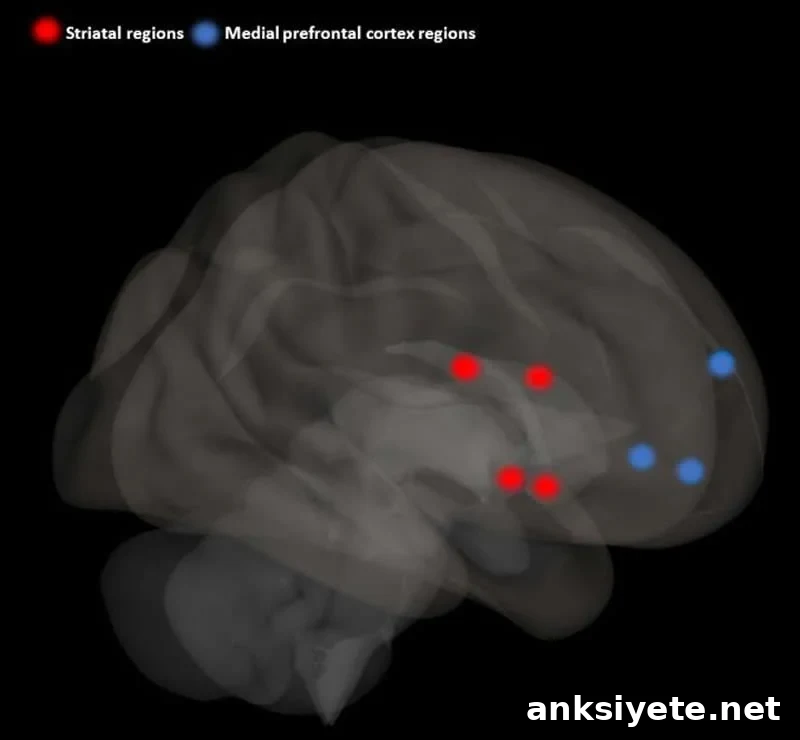
Summary: Methylphenidate appears to increase norepinephrine activity in the medial prefrontal cortex, which then influences dopamine neuron firing in the striatum at the moment a reward is delivered. This insight clarifies how common ADHD medications alter brain reward processing and may guide development of more targeted treatments. Source: OIST Attention-deficit hyperactivity disorder (ADHD) is a … Read more

How Exercise Alters Your Sense of Time

featured 102131

Summary: New research shows that people commonly experience a slowing of time while exercising compared with resting or after exercise. The study measured subjective time perception during different cycling scenarios — solo riding, riding with a passive avatar, and competitive trials against an opponent avatar — and found a consistent slowdown in perceived time during … Read more

Hippocampal Volume Predicts PTSD Treatment Response

featured 30817

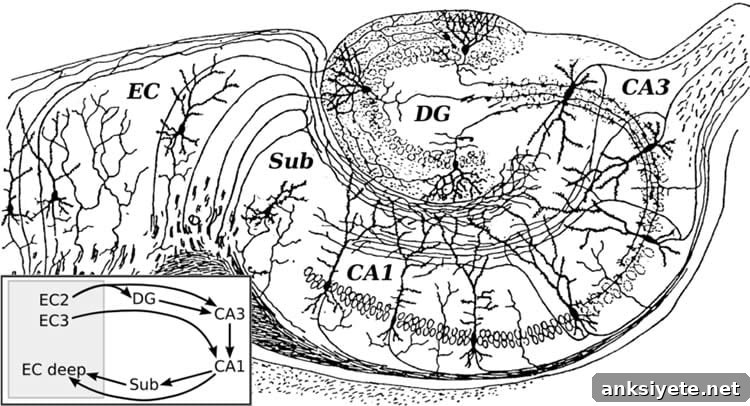
Summary: Researchers report that patients with larger hippocampal volume were more likely to respond to exposure-based treatment for posttraumatic stress disorder (PTSD). Response to PTSD Treatment Linked to Hippocampal Size Key finding: In a study conducted by Columbia University Medical Center and the New York State Psychiatric Institute, people with PTSD who had greater hippocampal … Read more