Summary: Researchers report that patients with larger hippocampal volume were more likely to respond to exposure-based treatment for posttraumatic stress disorder (PTSD).
Response to PTSD Treatment Linked to Hippocampal Size
Key finding: In a study conducted by Columbia University Medical Center and the New York State Psychiatric Institute, people with PTSD who had greater hippocampal volume measured by MRI at baseline were more likely to show clinical improvement after exposure-based therapy than those with smaller hippocampi.
Study overview
This research evaluated the relationship between hippocampal volume and treatment response in a sample of 76 adults: 40 patients diagnosed with PTSD and 36 trauma-exposed, healthy control participants. All subjects received clinical assessments and magnetic resonance imaging (MRI) at the start of the study and again 10 weeks later. During that interval, the PTSD group underwent ten weeks of Prolonged Exposure (PE) therapy, a well-established cognitive-behavioral intervention focused on helping patients safely process traumatic memories and improve discrimination between safe and threatening cues.
Results
The investigators found that PTSD patients who responded to prolonged exposure therapy had significantly larger hippocampal volume at baseline than treatment non-responders. Similarly, the resilient trauma-exposed control group also had larger baseline hippocampal volume compared with non-responders in the PTSD group. These group differences suggest that hippocampal size is associated with the capacity for fear extinction and the ability to benefit from exposure-based psychotherapy.
Interpretation and clinical implications
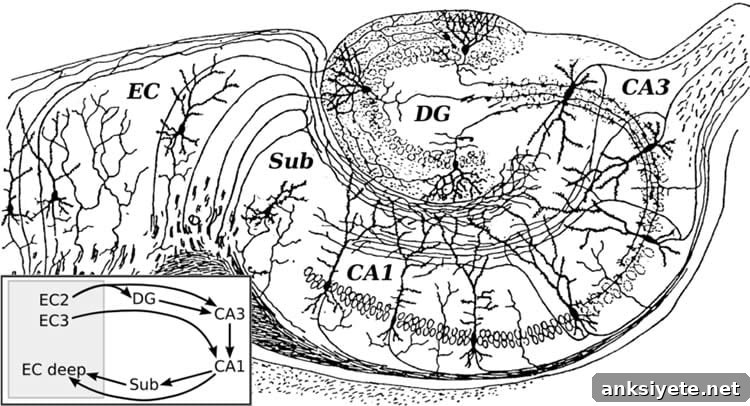
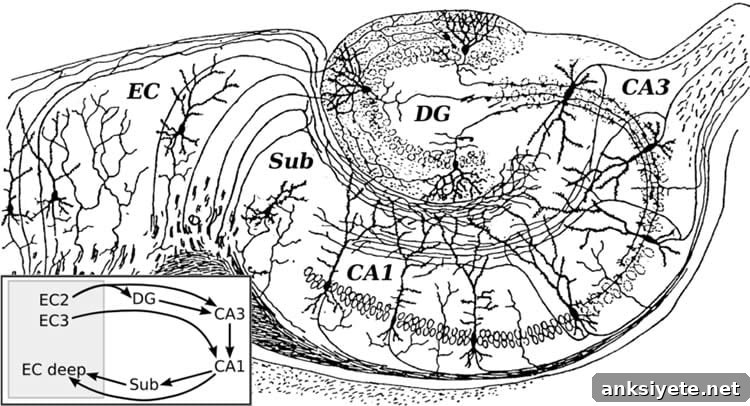
The hippocampus plays a central role in learning, memory, and distinguishing safety from threat. Smaller hippocampal volume has been associated in previous work with increased risk for PTSD. The current findings extend that body of evidence by showing an association between baseline hippocampal volume and response to exposure-based psychotherapy. The authors note that these results could inform screening and personalized treatment planning if replicated in larger samples.
Yuval Neria, PhD, professor of medical psychology at Columbia University Medical Center and director of the PTSD Program at the New York State Psychiatric Institute, emphasized that, pending replication, hippocampal volume measures might be considered as one factor among many when selecting interventions for people exposed to trauma. He suggested that hippocampal size could eventually contribute to decisions about who is most likely to benefit from prolonged exposure therapy versus alternative approaches.
Mikael Rubin, the study’s first author, noted that this research focused on response to prolonged exposure therapy and that future investigations are needed to determine whether patients with smaller hippocampi might respond better to different treatments, such as pharmacotherapy alone or combined treatments.
Methods in brief
Seventy-six participants completed MRI scanning and clinical evaluations at baseline and again after 10 weeks. The PTSD group completed a standardized course of Prolonged Exposure therapy during the 10-week period. Treatment response was defined by clinical change across the intervention. Group comparisons examined hippocampal volume differences among resilient trauma-exposed controls, treatment responders, and treatment non-responders.
Funding, disclosure and publication
Funding: This research was supported by National Institute of Mental Health grants R01MH072833 and R01MH105355.
Conflicts of interest: The authors declared no financial or other conflicts of interest.
Publication: The study, “Greater hippocampal volume is associated with PTSD treatment response,” was published online in Psychiatry Research: Neuroimaging (May 2016) by Mikael Rubin, Erel Shvil, Santiago Papini, Binod T. Chhetry, Liat Helpman, John C. Markowitz, J. John Mann, and Yuval Neria.
Abstract (condensed)
Previous work links smaller hippocampal volume with PTSD risk, but the directionality between hippocampal size and treatment response remained unclear. In this study, resilient trauma-exposed controls and PTSD patients who responded to ten weeks of Prolonged Exposure therapy showed greater baseline hippocampal volume than treatment non-responders. These differences may reflect a more robust capacity for fear extinction both soon after trauma exposure and during exposure-based treatment.
These findings support a role for hippocampal structure in therapeutic outcomes for PTSD and highlight the potential for neuroimaging measures to contribute to personalized approaches to trauma treatment. Further replication and research are needed to translate these observations into clinical screening tools or treatment-matching strategies.