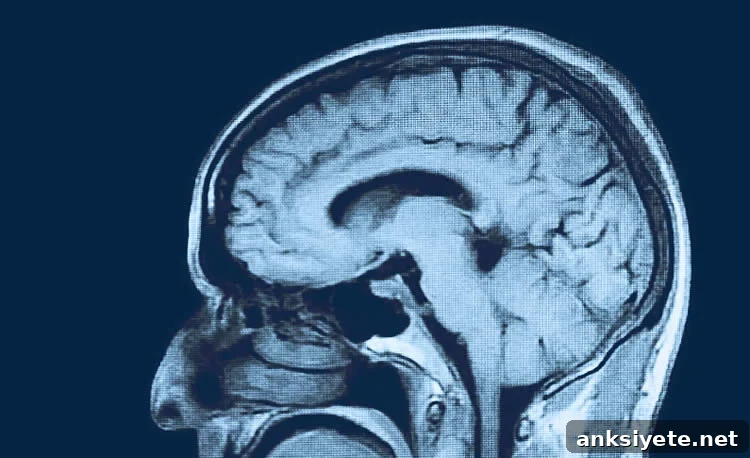
Human Brains Share a Genetic Blueprint and Complex Biochemistry
featured 7271

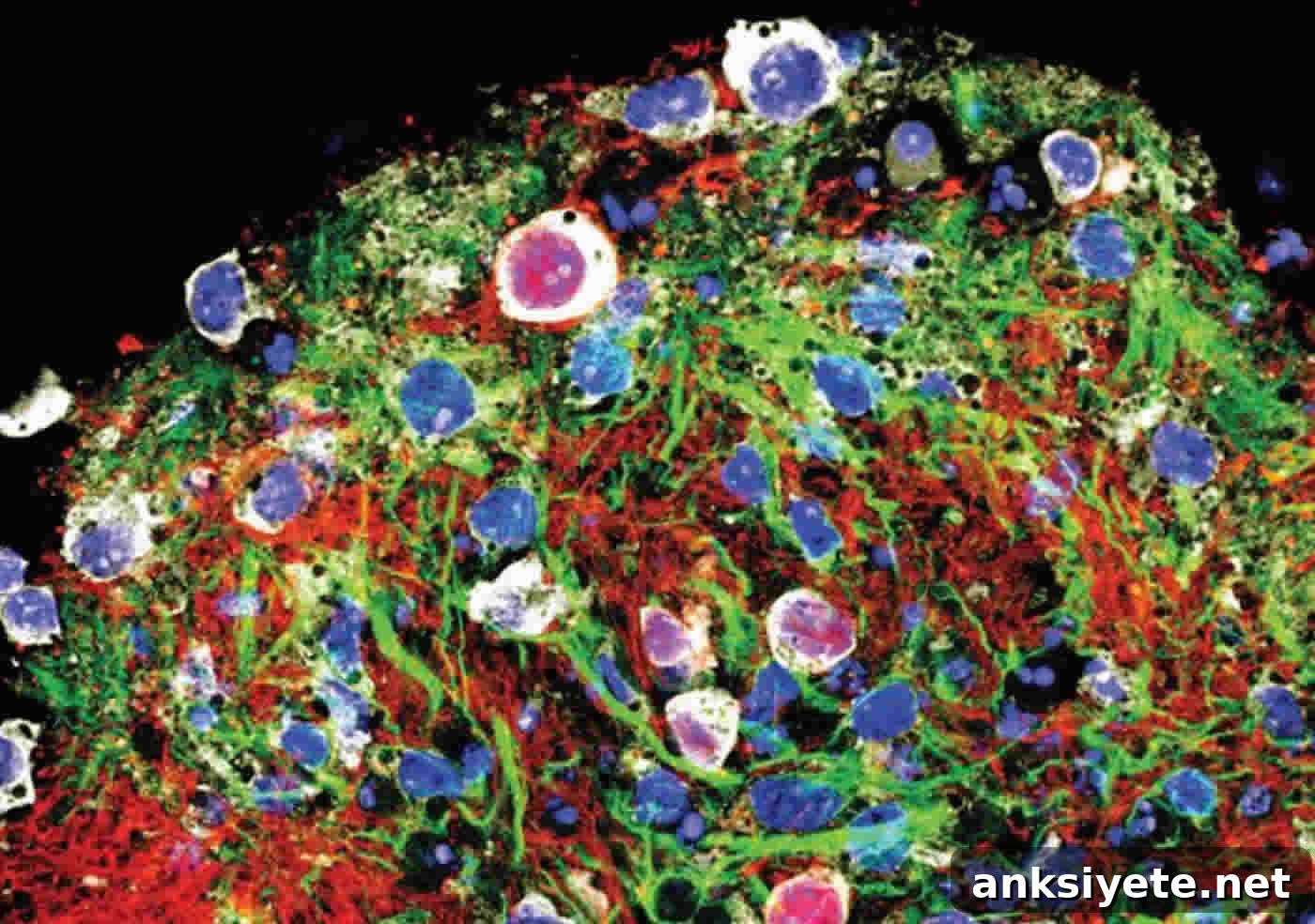
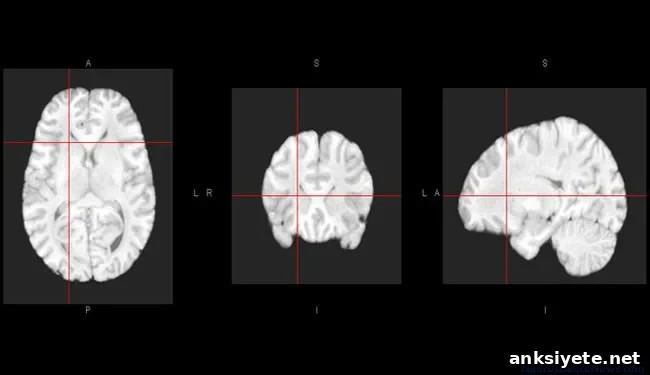
First comprehensive analysis of the Allen Human Brain Atlas published in Nature reveals a shared molecular blueprint and vast biochemical complexity in the human brain Scientists at the Allen Institute for Brain Science report in Nature that human brains follow a consistent genetic blueprint while displaying immense biochemical diversity. These conclusions arise from the first … Read more
New Study: Hormone May Improve Memory and Cognition

featured 42735

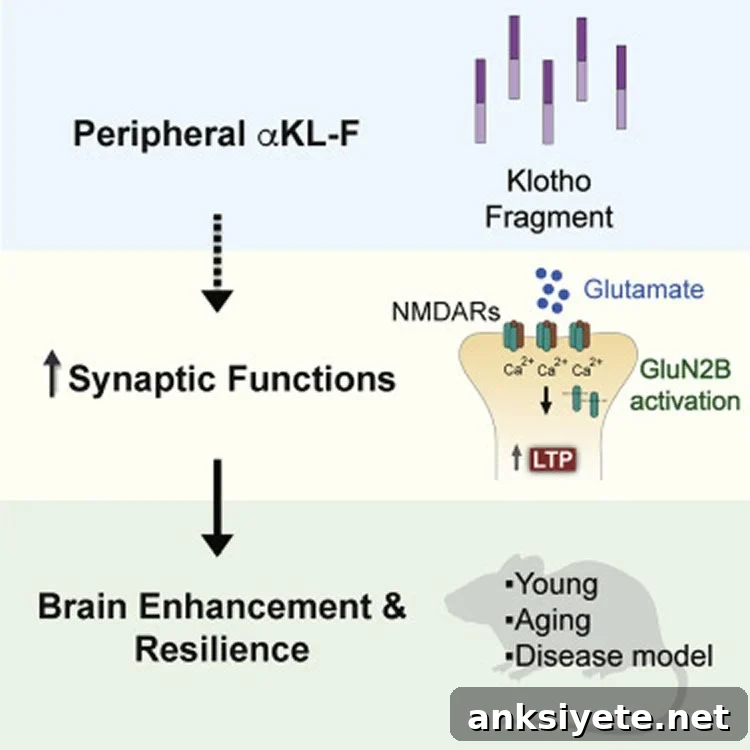
Summary: Researchers report that klotho, a longevity-associated protein, improved working memory, spatial memory and learning in mice. A single injection produced measurable cognitive benefits that were long lasting. Source: UCSF. In a study suggesting therapeutic potential for klotho — a protein hormone linked to extended lifespan that some people naturally produce at higher levels — … Read more

Study Finds Gut Bacteria Trigger Linked to Human Obesity

featured 47466

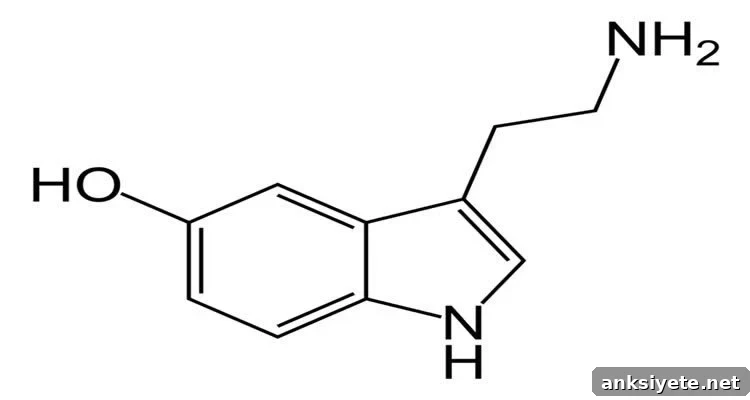
Summary: Researchers report that levels of serotonin produced in the gut are doubled in people with obesity. The findings suggest human obesity may be associated with an increased capacity to produce and release serotonin from the intestine. Source: University of Adelaide. Gut Serotonin Linked to Obesity: Human Study Reveals Elevated Levels Serotonin, often known for … Read more

Why Your Brain Is Wired to Detect Patterns

featured 49240

Summary: Researchers used fMRI to show that the brain handles pattern learning differently from probabilistic learning. Source: Ohio State University. Detecting patterns is a fundamental part of human learning and decision-making. A new study reveals how the brain responds when people discover a deterministic pattern within a sequence of sensory information. Researchers found that pattern … Read more

Deadlines Won’t Lower Stress: Timelines Don’t Help

featured 92799

Summary: New naturalistic research suggests that working near deadlines does not necessarily increase physiological stress beyond the already high levels common in deskbound research. The study measured sympathetic activation — a marker of how physiologically “on edge” someone is — and found little difference in overall activation when researchers worked with deadlines versus without. The … Read more

Why Your Brain’s Rhythm Matters for Focus and Sleep

featured 38965

Summary: Researchers at the Salk Institute have grown miniature spinal-cord networks in a dish—called circuitoids—that spontaneously produce coordinated rhythmic activity similar to the neural patterns that drive repetitive movements. Source: Salk Institute. Rhythm is not just for dancers. From breathing to walking to chewing, many everyday actions depend on rhythmic neural activity. Despite its importance, … Read more

60-Second Eye-Tracking Test to Detect Schizophrenia

featured 93006

Summary: Researchers have identified spatial and temporal abnormalities in spontaneous fixational saccades as a potential biomarker for cognitive and positive symptoms in schizophrenia. By combining one-minute recordings of fixational eye movements from patients with a simple machine learning model, they were able to distinguish people with first-episode schizophrenia from healthy controls with 85% accuracy. These … Read more

Study Finds Ancient Viral Protein Linked to ALS Progression

featured 94408

Summary: Researchers have identified an unexpected connection between amyotrophic lateral sclerosis (ALS) progression and PEG10, an ancient, virus-like protein best known for its role in placental development. Excess PEG10 in nerve tissue appears to alter cellular behavior in ways that contribute to ALS. Scientists are now mapping the molecular pathways behind this effect and exploring … Read more

Origins of the Brain’s Immune System Revealed

featured 82161

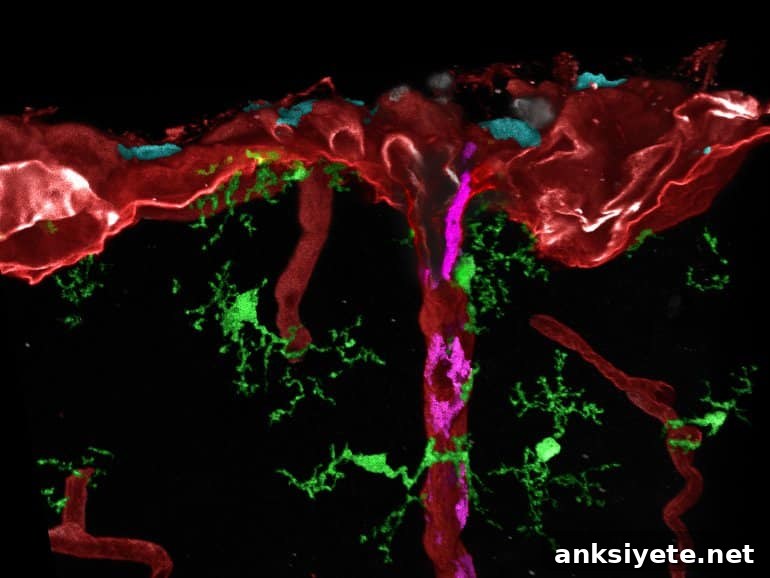
Summary: New findings show that phagocytes associated with brain blood vessels do not reach full maturity until after birth, overturning the prior belief that they finish maturing during embryonic development. Source: University of Freiburg The passage of substances into the brain is tightly regulated. Researchers at the Faculty of Medicine, University of Freiburg, have investigated … Read more

Reduced Gray Matter in Teens Linked to Behavioral Problems

featured 26261

Youth behavioural problems—such as antisocial and aggressive behaviour—are linked to reduced grey matter volume in several brain regions, according to a new meta-analysis published in JAMA Psychiatry. Researchers at the University of Birmingham combined brain imaging data from multiple studies and found that, compared with typically developing peers, young people with persistent behavioural problems show … Read more