
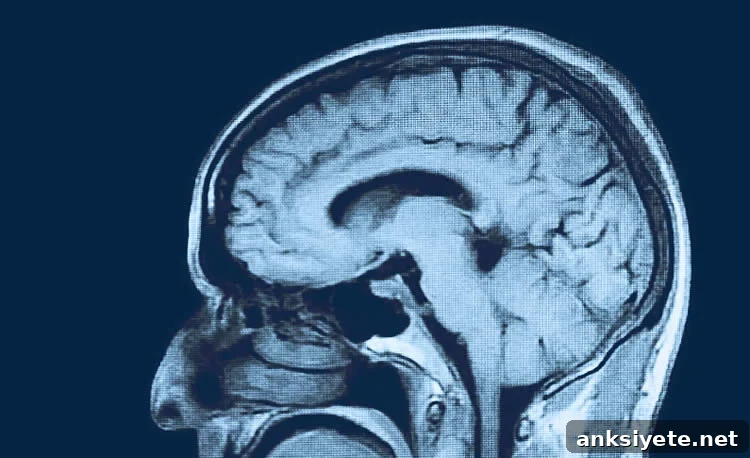
Youth behavioural problems—such as antisocial and aggressive behaviour—are linked to reduced grey matter volume in several brain regions, according to a new meta-analysis published in JAMA Psychiatry.
Researchers at the University of Birmingham combined brain imaging data from multiple studies and found that, compared with typically developing peers, young people with persistent behavioural problems show specific grey matter reductions in the amygdala, the insula, and regions of the prefrontal cortex. These brain areas play central roles in emotion processing, reading facial expressions, empathy, decision-making, and emotional regulation—functions that are often impaired in youths who display antisocial or aggressive behaviour.
This pooled analysis incorporated data from 13 eligible voxel-based morphometry (VBM) studies, including 394 youths with conduct or behavioural problems and 350 typically developing youths, making it the largest meta-analysis to date on structural brain differences associated with these difficulties in young people.
Lead author Dr Stéphane De Brito explained that severe behavioural problems in childhood and adolescence are not only predictive of continued antisocial and aggressive behaviour into adulthood, but are also associated with increased risk for substance misuse, mental health difficulties, and poorer physical health. For this reason, early identification and prevention are crucial, and mapping the brain regions involved can help guide intervention research.
The meta-analysis detected decreased grey matter volume (GMV) in several clusters: the left amygdala (extending into the anterior insula), the right insula (extending into ventrolateral prefrontal cortex and superior temporal gyrus), the left medial superior frontal gyrus (extending into the anterior cingulate), and the left fusiform gyrus. Subgroup analyses examining age at onset highlighted left amygdala reductions, while meta-regressions showed relationships between sex distribution, callous-unemotional traits, and regional GMV differences.
Dr Jack Rogers, Research Fellow at the University of Birmingham and co-author of the study, noted that important questions remain unanswered. In particular, it is still unclear how much these structural brain differences are shaped by environmental risk factors—such as prenatal exposure to substances or early childhood maltreatment—or whether they are present early in life and stable over time. Rogers emphasized the need for prospective longitudinal studies that follow children from early development through adolescence to determine the timing and persistence of brain changes.
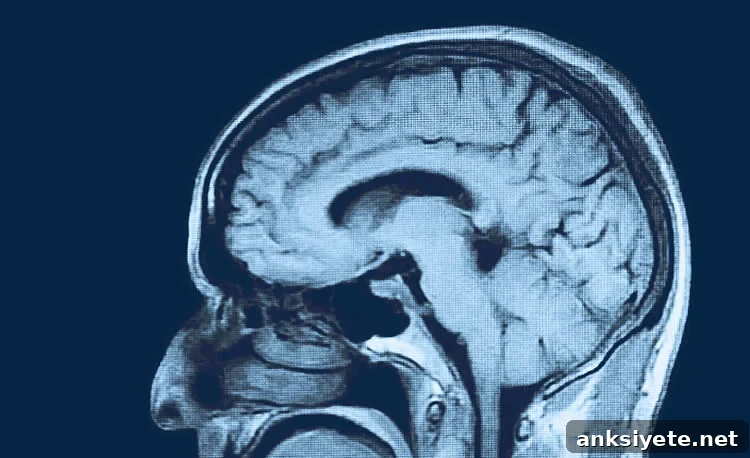
The authors also highlighted the clinical relevance of their findings: if these brain differences map onto the affective and cognitive processes that determine social behaviour and impulse control, then targeted therapies might be developed or refined to improve long-term outcomes. Future multisite research projects planned by the group will include children and adolescents from several European countries to explore both environmental influences and neurobiological mechanisms behind the development of behavioural problems in males and females.
Source: Luke Harrison – University of Birmingham
Image source: Adapted from the University of Birmingham press release
Original research: Rogers JC and De Brito SA. Cortical and Subcortical Gray Matter Volume in Youths With Conduct Problems. JAMA Psychiatry. Published online December 9, 2015. doi:10.1001/jamapsychiatry.2015.2423
Abstract (summary of the meta-analysis)
Title: Cortical and Subcortical Gray Matter Volume in Youths With Conduct Problems
Importance: Structural neuroimaging studies using voxel-based morphometry have reported grey matter abnormalities in youths with conduct problems, but individual findings have been inconsistent and few have been replicated across samples.
Objective: To conduct a voxel-based meta-analysis of whole-brain VBM studies comparing youths with conduct or behavioural problems (CP) to typically developing (TD) youths, facilitating replication and future analyses by researchers and clinicians.
Data sources and selection: A systematic literature search identified 28 potential studies published between January 1, 2007 and March 31, 2015. Eligibility required whole-brain VBM methods and voxelwise comparisons between CP and TD groups, consistent statistical thresholds, non-duplicated datasets, and availability of peak coordinates or statistical maps. Thirteen studies met inclusion criteria, totaling 394 youths with CP and 350 TD youths.
Methods: Anisotropic effect-size signed differential mapping (SDM) was used for voxel-based meta-analysis, incorporating statistical parametric maps when available and peak coordinates otherwise. The primary outcome was regional grey matter volume differences between youths with CP and TD youths.
Key results: Youths with conduct or behavioural problems showed decreased GMV in the left amygdala (extending into anterior insula), right insula (extending into prefrontal and temporal regions), left medial superior frontal gyrus (extending to anterior cingulate), and left fusiform gyrus. Age-at-onset subgroup analyses emphasized left amygdala reductions. Meta-regressions linked higher callous-unemotional trait scores to smaller GMV reductions in the left putamen and showed associations between sex composition and GMV differences in several regions. No consistent associations were found with comorbid ADHD or IQ, though age range influenced left amygdala findings.
Conclusions: This meta-analysis identifies grey matter reductions in insula, amygdala, frontal, and temporal regions in youths with conduct and behavioural problems. The authors recommend addressing sample heterogeneity and conducting longitudinal multisite studies to clarify developmental trajectories, environmental contributions, and treatment implications for these brain differences.