Early Sleep Loss in Fruit Flies Impairs Adult Mating
featured 14427

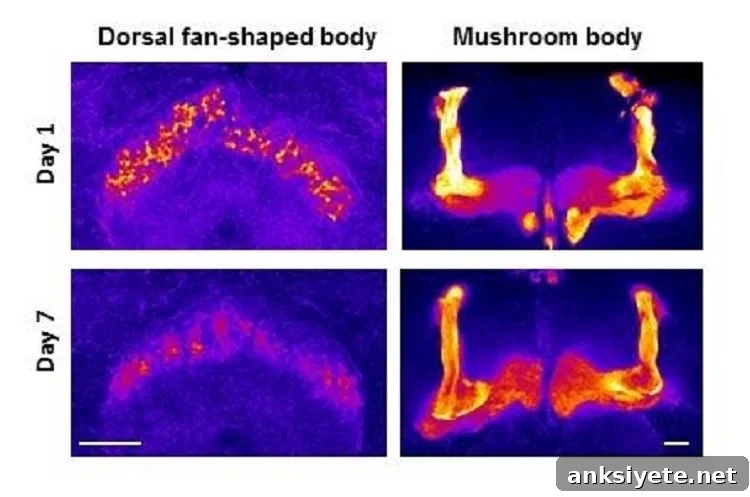
Findings reveal the first mechanistic link between sleep loss during early life and altered adult behavior in an animal model. New research from the Perelman School of Medicine at the University of Pennsylvania shows that sleep loss in young fruit flies significantly impairs a key adult behavior: courtship and mating. Published in Science, the study … Read more

How Growth Factors Strengthen Long-Term Memory

featured 20955

A team of New York University neuroscientists has identified how two distinct growth factor families contribute to long-term memory formation, a discovery reported in the journal Neuron. “These results give us a clearer view of memory’s architecture and specifically how molecules function together as a network to create long-term memories,” says the paper’s senior author, … Read more

Reaction Time Variability Signals Mortality Risk in Older Adults

featured 42741

Summary: According to a PLOS ONE study, an individual’s variability in reaction time across repeated trials may independently predict mortality in older adults. Source: PLOS Common measures of cognitive change in later life may reveal more than declining thinking skills. A study published August 9, 2017 in PLOS ONE by Nicole A. Kochan and colleagues … Read more

Midlife High Blood Pressure Linked to Later Cognitive Decline

featured 21724

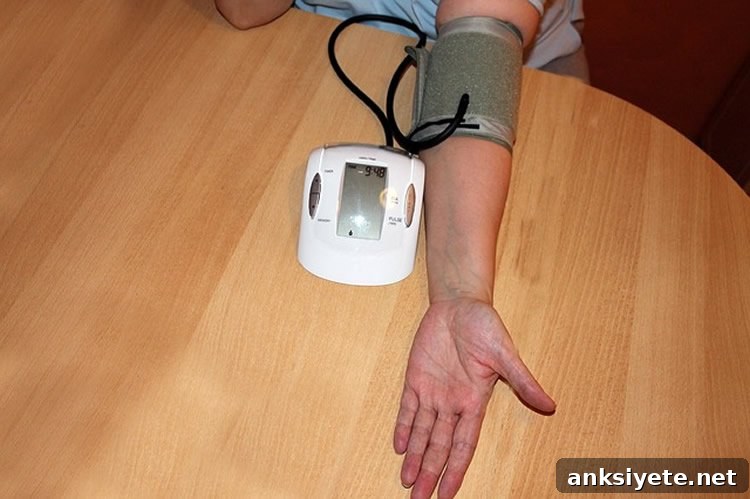
High blood pressure in your 50s may reduce your ability to plan and stay focused in your 80s New research links elevated blood pressure in midlife to specific declines in cognitive abilities decades later. The study, published in the Journal of Alzheimer’s Disease, examined whether blood pressure measured between ages 50 and 60 is associated … Read more

Vitamin Deficiencies Common in Migraine Sufferers

featured 32113

Many Children and Teens with Migraine Show Mild Vitamin Deficiencies Summary: A study from Cincinnati Children’s Hospital Medical Center found that many children, adolescents and young adults treated for migraine have mild deficiencies in vitamin D, riboflavin (vitamin B2) and coenzyme Q10. Source: Cincinnati Children’s Hospital Medical Center Key point: Researchers are not yet certain … Read more

Obesity-Linked Neurodegeneration Mirrors Alzheimer’s Disease

featured 90338

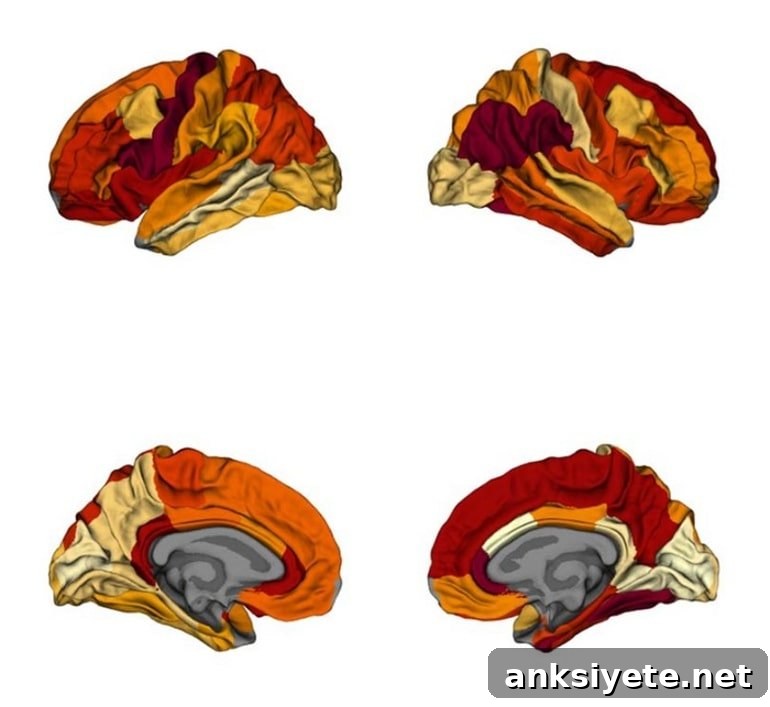
Summary: Researchers have identified a pattern of brain change in people with obesity that closely resembles neurodegeneration seen in Alzheimer’s disease. The study suggests that managing excess weight could slow age-related cognitive decline and lower the risk of developing Alzheimer’s. Source: McGill University A team at The Neuro (Montreal Neurological Institute-Hospital) of McGill University reports … Read more

New Multicolor Brain Atlas Maps Cellular Diversity

featured 70479

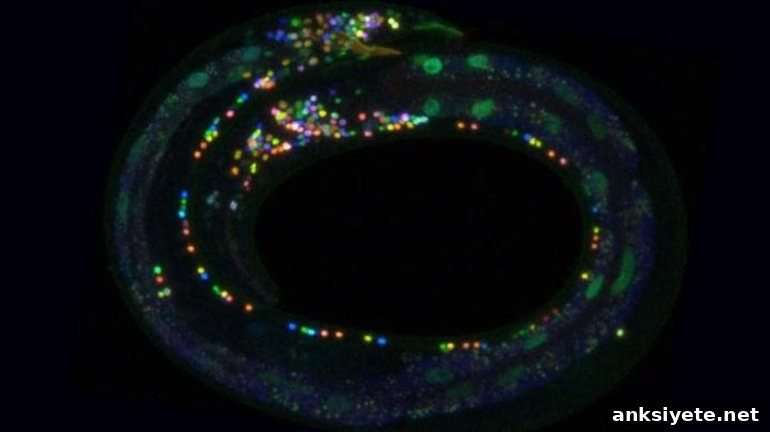
Summary: A new technique called NeuroPAL enables researchers to identify every neuron in the nervous system of the microscopic worm C. elegans, letting scientists record whole-brain activity and decode neural network dynamics in unprecedented detail. Source: Columbia University The human brain contains roughly 86 billion neurons connected by an estimated 100 trillion synapses. Each neuron … Read more

New Dads at Higher Risk of Anxiety and Depression

featured 25531

New research shows anxiety around the arrival of a baby is as common as postnatal depression, and men face nearly comparable risks to women. Mental health researcher Dr Liana Leach led a review of 43 studies examining anxiety symptoms in the perinatal period and found that anxiety both before and after childbirth is about as … Read more

How Microglia Prune Excess Synapses During Brain Development

featured 6487

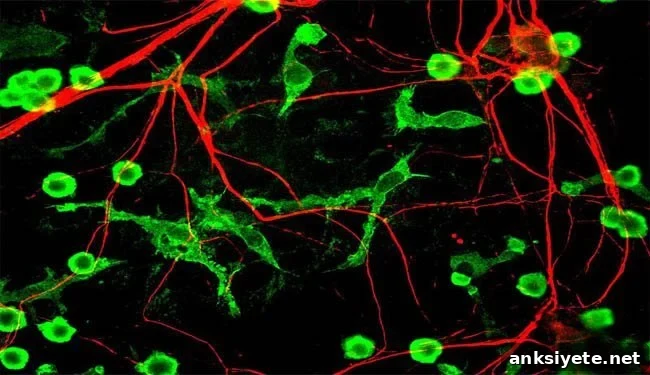
Immune cells “sculpt” circuits in the brain by eating away excess connections Findings offer a fresh look at developmental and degenerative brain diseases At birth our brains already contain many connections, but those initial circuits are reshaped as we interact with the world. New research from Boston Children’s Hospital reveals a striking mechanism behind that … Read more

Noninvasive Technique Reveals Deep Brain Secrets

featured 54508

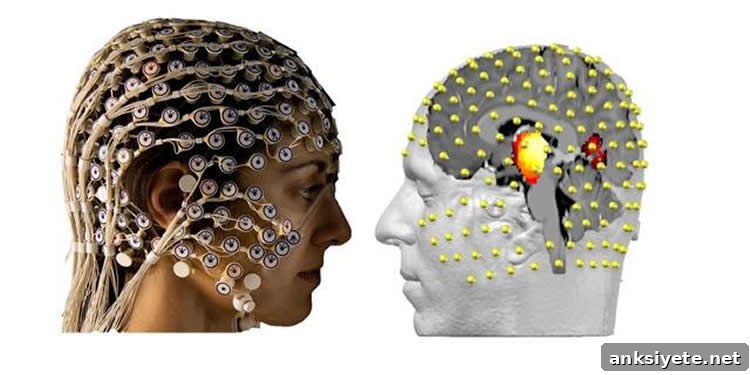
Summary: New research shows that high-density electroencephalography (EEG), combined with advanced signal-processing algorithms and anatomical imaging, can non-invasively detect and localize electrical activity originating from deep subcortical brain structures such as the thalamus and nucleus accumbens. These findings open new possibilities for studying and treating disorders that involve these regions, including Parkinson’s disease, Tourette syndrome … Read more