Chronic Pain Fuels Growing Inflammation in Seniors

featured 30552

When older relatives complain about pain, a little empathy is warranted. New preliminary research from University of Florida Health suggests that as people age, their bodies may respond to painful events with faster, stronger and longer-lasting inflammation than younger adults. The study indicates that older adults could be more vulnerable to developing persistent pain after … Read more

EEG Predicts Autism in Infants by 3 Months

featured 48363

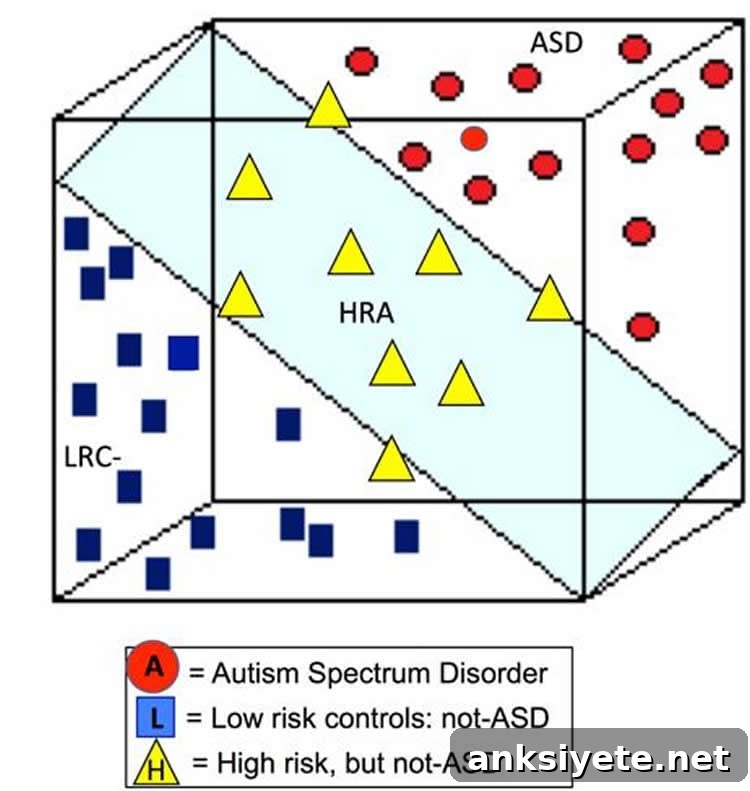
EEG Signals Accurately Predict Autism as Early as 3 Months Summary: EEG recordings analyzed with a new computational approach can identify infants who will later be diagnosed with autism spectrum disorder (ASD) with very high accuracy. Why this matters: Early, reliable detection of autism remains a major clinical challenge. A new study reports that routine, … Read more

How Genetic Variants Shape Psychedelic Therapy Outcomes

featured 85026

Summary: Common genetic variants of the 5-HT2A serotonin receptor may help explain why some patients benefit from psychedelic-assisted therapies while others see little or no improvement. Source: UNC Psychedelic drugs have re-emerged as promising treatments for difficult-to-treat conditions such as severe depression, anxiety, alcoholism, and even cluster headaches. Clinical studies have demonstrated dramatic improvements in … Read more

Brain Receptor Discovery Could Lead to Neurological Treatments

featured 9820

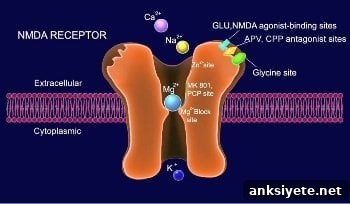
For several years, researchers and pharmaceutical companies have pursued drugs that target the NMDA receptor, a critical neurotransmitter receptor present on nearly every neuron in the human brain. NMDA receptors play essential roles in learning and memory and have been linked to a range of neurological and psychiatric disorders, including Alzheimer’s disease, Parkinson’s disease, schizophrenia, … Read more

Dopamine and Thrill Fatigue: Why Repeated Rewards Lose Value

featured 114017

Summary: New research reveals that the same dopamine receptor mechanism implicated in drug addiction also underlies the natural decline in motivation after repeated rewarding behaviors. Studying male fruit flies, investigators found that dopamine acting through the D2-type receptor supports persistence during mating, but repeated experiences cause those receptors to desensitize, making males more likely to … Read more

New Dimensional Method Reveals Biomarker for Inattention

featured 39308

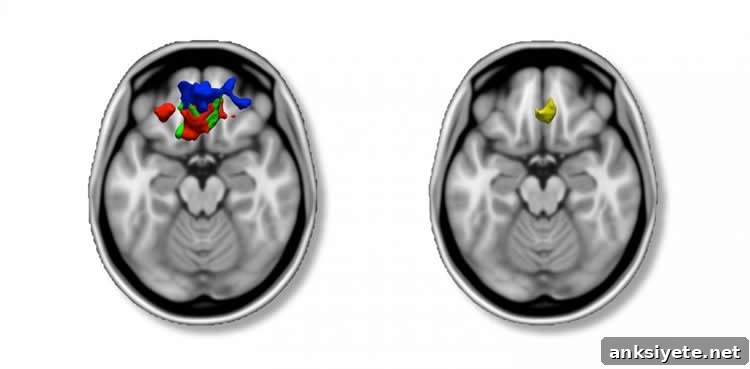
Summary: Greater variability in reaction time is associated with reduced gray matter volume in the ventromedial prefrontal cortex, a new study reports. Source: Larner College of Medicine. Despite diagnoses of attention-deficit/hyperactivity disorder (ADHD) in roughly 11 percent of U.S. school-aged children, the biological roots of this condition remain incompletely understood. A new population-based imaging study … Read more

Lifestyle Changes Cut Memory Decline Even With Genetic Risk

featured 46328

Summary: A two-year multidomain lifestyle intervention reduced cognitive decline even among people who carry the APOE ε4 gene, a known genetic risk factor for Alzheimer’s disease, according to new analysis of the FINGER randomized trial. Source: University of Eastern Finland Enhanced lifestyle counselling prevents cognitive decline even in APOE ε4 carriers, a new JAMA Neurology … Read more

Why We Avoid Empathy: The Hidden Mental Effort

featured 55636

Summary: The cognitive effort required to feel empathy leads many people to avoid empathic engagement, even when there is no emotional or financial cost. Source: American Psychological Association (APA) People Often Avoid Empathy Because It Feels Mentally Demanding New research published in the Journal of Experimental Psychology: General finds that people frequently avoid empathizing with … Read more

Cut Social Media by 15 Minutes a Day to Improve Sleep and Mood

featured 91311

Summary: Cutting daily social media time by just 15 minutes can lead to notable improvements in general health, immune function, sleep quality, and reductions in depression and loneliness. Source: Swansea University New research from Swansea University finds that modest reductions in social media use produce measurable benefits for physical health and psychological wellbeing. A randomized, … Read more

Binge Drinking Boosts Alcohol Problems Risk in Moderate Drinkers

featured 83660

Summary: Moderate drinkers who regularly binge are far more likely to develop alcohol use problems than moderate drinkers who do not binge. Source: Elsevier A new study from researchers at The University of Texas at Austin, published in the American Journal of Preventive Medicine, shows that moderate drinkers who engage in binge drinking face a … Read more