How a Hidden Sleep Sequence Shapes Our Memories

featured 111098

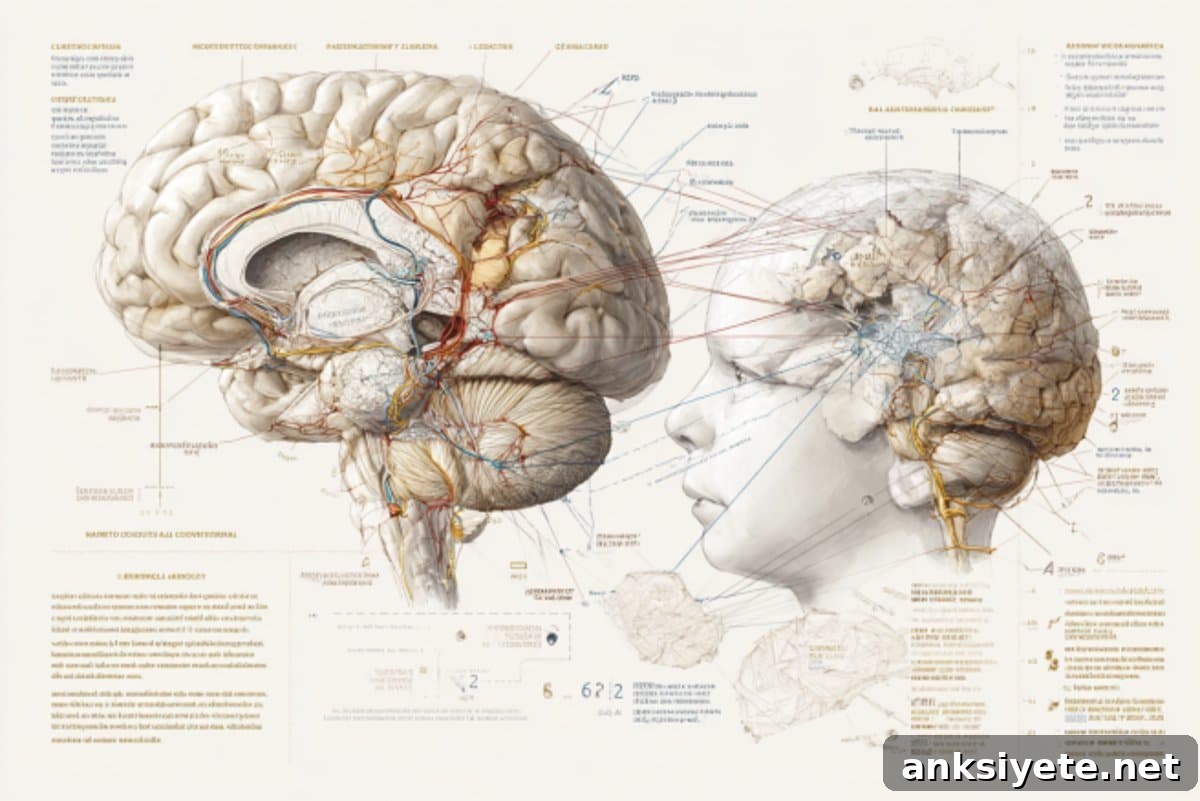
Summary: A new theory proposes that the universal sequence of sleep stages—non-REM (NREM) followed by REM—is critical for strengthening and organizing memories. Mouse experiments combined with circuit-based computational models indicate that NREM sleep amplifies and stabilizes newly formed memory traces, while subsequent REM sleep selectively prunes overlapping or irrelevant elements, keeping separate memories distinct. Reversing … Read more

Study: CBD May Ease Behavioral Symptoms in Autism

featured 111094

Summary: A randomized, double-blind crossover trial from the Center for Medicinal Cannabis Research at UC San Diego School of Medicine evaluated the safety and behavioral effects of cannabidiol (CBD) in boys with severe autism spectrum disorder (ASD). The study found CBD to be safe and well tolerated and clinicians reported meaningful improvements in many participants—particularly … Read more

How Emotional Music Enhances Memory for Different People

featured 111090

Summary: Music has long been used to support memory and mood in conditions such as Alzheimer’s and other forms of dementia. A recent study clarifies how music affects memory: the emotional intensity that a listener experiences determines which elements of a memory are strengthened. Strong emotional responses tend to reinforce the general gist of an … Read more

Why People Struggle With Cross-Race Face Recognition

featured 111082

Summary: New research shows that some people have selective difficulty recognizing faces from racial groups different from their own—a phenomenon the researchers call category-selective face blindness or other-ethnicity blindness. While general face blindness (prosopagnosia) is a well-established condition, this study reveals that many people may perform normally with faces of their own ethnicity yet struggle … Read more

Study Finds Brainstem Neuron Overactivity Drives Chronic Pain

featured 111074

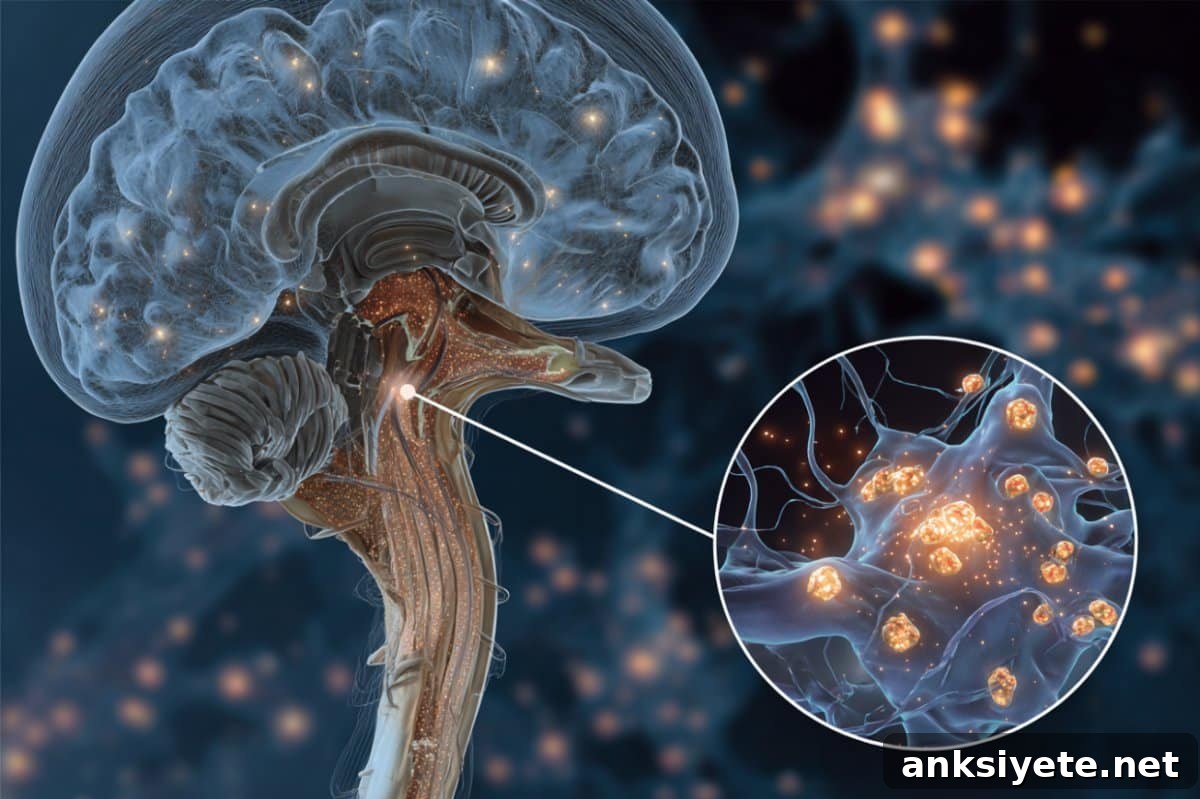
Summary: A new study shows that neurons in a specific brainstem region respond very differently to acute versus chronic pain, offering a potential explanation for why some pain resolves while other pain persists long after an injury. During acute pain, neurons in the medullary dorsal horn reduce their activity through an internal “braking” mechanism driven … Read more

New Autism Data Sheds Light on Profound Cases

featured 111070

Summary: Researchers have released a comprehensive dataset combining genetic and behavioral information from more than 1,500 children and adolescents with autism who were hospitalized in psychiatric units across the United States. This collection intentionally includes many individuals who meet criteria for what is being called “profound autism” — those with minimal spoken language, intellectual disability, … Read more

Ketamine-Assisted Therapy: Lasting Relief for Severe Depression

featured 111061

Summary: A randomized clinical trial led by researchers at McGill University demonstrates that ketamine treatment for severe, treatment‑resistant depression is substantially more effective when combined with structured psychotherapy and a supportive treatment environment. Participants receiving this integrated care reported about a 30% reduction in depressive symptoms, with notable decreases in anxiety and suicidal thoughts that … Read more

How AI Creates Relatable, Empathetic Experiences

featured 111053

Summary: Researchers have created an AI system called EmoSync that enhances empathy by generating emotional analogies tailored to each user’s personality, values, and life experiences. Rather than assuming a single emotional response fits everyone, EmoSync uses a large language model (LLM) to map individual traits and craft personalized scenarios that make others’ feelings more relatable … Read more

Newborn Pain Perception: How It Develops After Birth

featured 111049

Summary: New research reveals that the brain networks that process pain in infants develop in stages. While the neural circuits that allow babies to sense pain mature before birth, the circuits responsible for emotional and cognitive responses to pain continue to develop after birth. Researchers scanned 372 newborns—mostly born prematurely—to map how three distinct brain … Read more

How Sleep Loss Triggers and Amplifies Migraine Pain

featured 111045

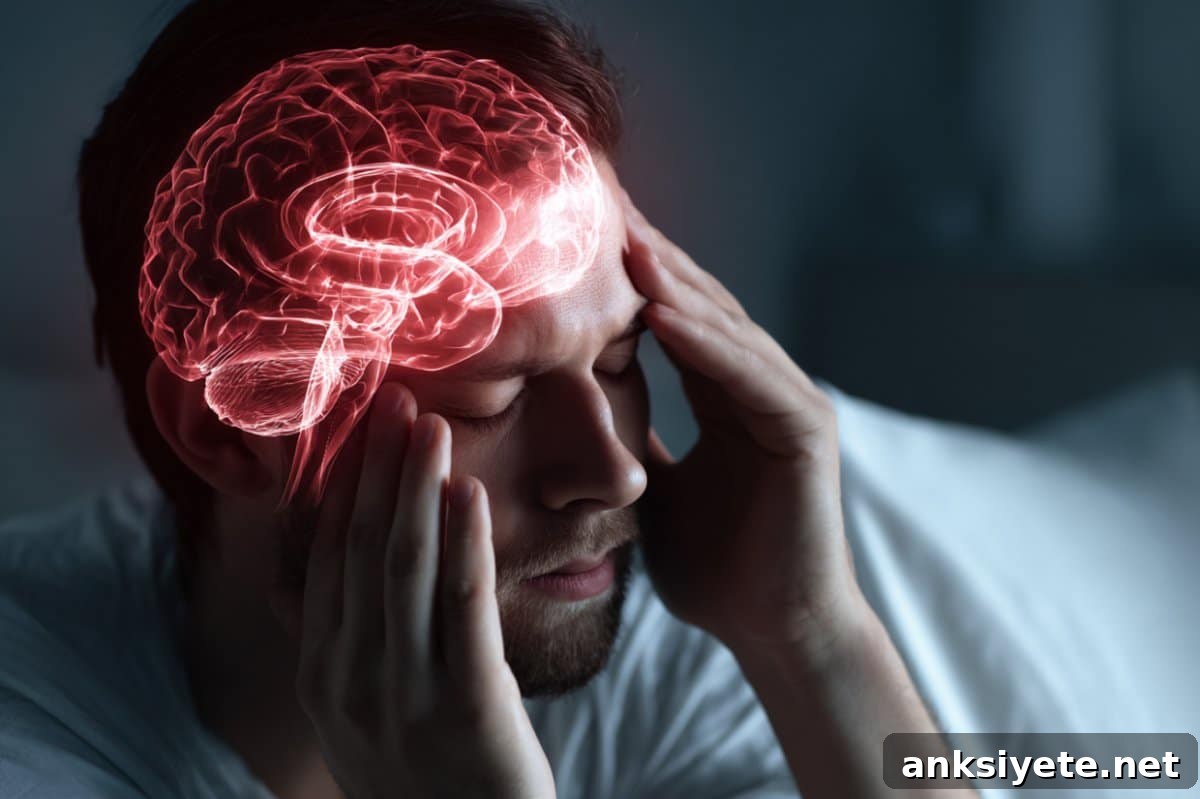
Summary: New research shows that lack of sleep changes how the brain processes pain in people with migraine. Using EEG recordings and controlled pain stimulation, scientists found that migraine sufferers respond differently after sleep loss, with a reduced capacity to suppress pain signals. These findings add important detail to the connection between disturbed sleep and … Read more