Brain Protein Spike Detected in Newborns and Alzheimer’s Patients
featured 111159

Summary: A new multicentre study finds that newborn infants and people with Alzheimer’s disease share unusually high blood levels of the same phosphorylated tau protein, p-tau217. In Alzheimer’s, p-tau217 is a well-established marker of neurodegeneration. In newborns, however, the same protein appears to play a healthy, developmental role: levels are highest at birth—particularly in premature … Read more


How Overconfidence Fuels Belief in Conspiracy Theories

featured 111155

Summary: New research shows that people who endorse conspiracy theories are often overconfident and unaware of how unusual their beliefs are. Across eight studies, participants who accepted false conspiracies regularly overestimated their abilities on cognitive tasks and believed that most other people shared their views—even when they were clearly in the minority. This pattern of … Read more

How Caffeine Boosts Cellular Energy and Slows Aging

featured 111147

Summary: New research from Queen Mary University of London suggests caffeine may slow cellular ageing by activating AMPK, an evolutionarily conserved energy-sensing pathway. Using fission yeast as a model for human cells, scientists found that caffeine increases AMPK activity, which helps cells manage energy stress, repair DNA, and regulate growth—processes closely linked to ageing and … Read more

Molecule May Prevent Vision Loss in AMD

featured 111143

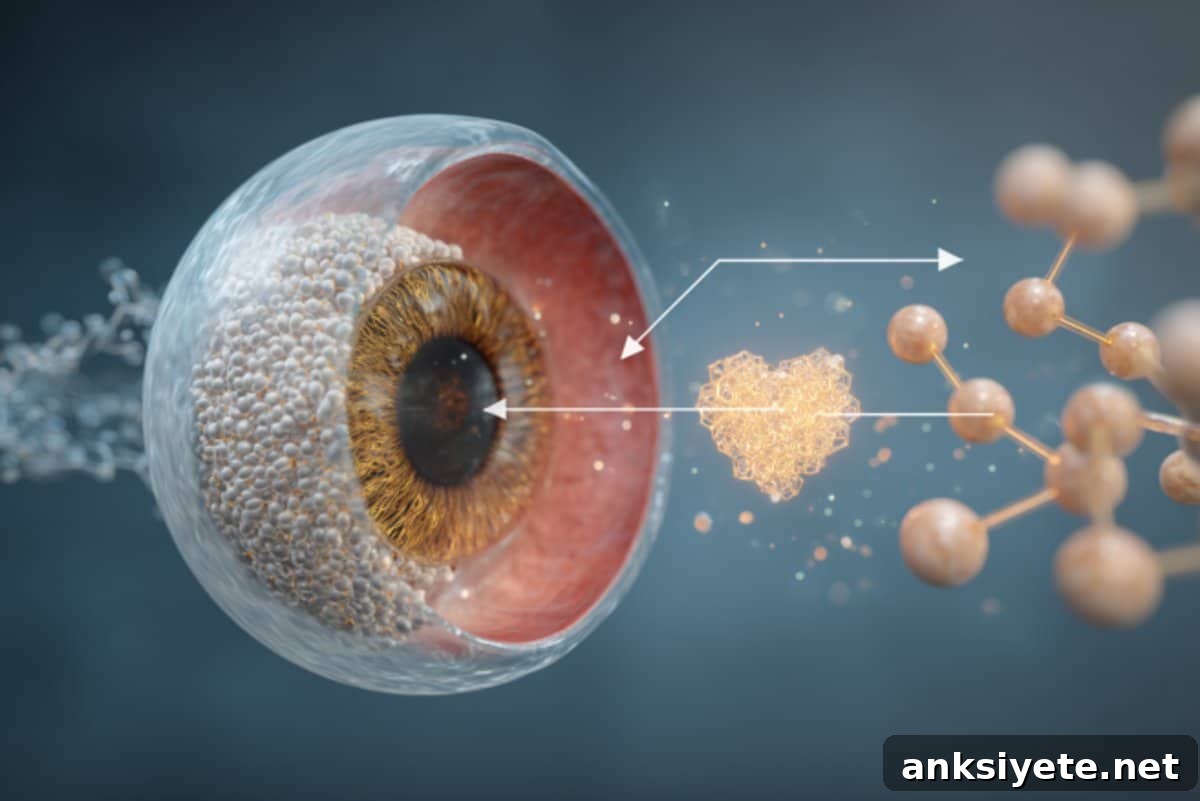
Summary: A new study indicates that raising levels of apolipoprotein M (ApoM) may slow or prevent progression of age-related macular degeneration (AMD), a leading cause of vision loss in older adults. Researchers found that low ApoM disrupts cholesterol metabolism in the retina, promoting inflammation and cellular damage that contribute to vision decline, particularly in advanced … Read more

Why Chimpanzees and Children Are Drawn to Social Drama

featured 111134

Summary: A recent comparative study finds that both chimpanzees and young children show a clear preference for observing social interactions over watching lone individuals. When given a choice, participants from both species repeatedly selected videos of social behavior, and some even sacrificed a tangible reward to continue watching. These results indicate that social curiosity appears … Read more

GLP-1 Medication Halves Migraine Days

featured 111130

Summary: A new pilot study shows that liraglutide, a glucagon-like peptide-1 (GLP-1) receptor agonist used for diabetes and weight management, substantially reduced monthly migraine days in adults with obesity and chronic migraine. Participants experienced an average reduction of 11 headache days per month, with meaningful improvements in disability and quality of life measures. The observed … Read more

Older Mothers Face Higher Birth Risks—Sharp Rise After 45

featured 111122

Summary: A nationwide study of more than 300,000 births in Sweden found that babies born to mothers aged 40 and older—particularly those whose mothers were 45 or older—face higher rates of adverse neonatal outcomes. Measured risks include stillbirth, preterm birth, infants small for gestational age, and neonatal hypoglycaemia. Although severe complications remain uncommon in Sweden … Read more

How Neuroimaging Reveals Hidden Brain Inflammation

featured 111114

Summary: Researchers have developed a new PET radiotracer, ¹⁸F-PDE-1905, that produces high-resolution images of neuroinflammation by binding directly to phosphodiesterase 4B (PDE4B), an enzyme inside microglia—the brain’s resident immune cells. Unlike conventional tracers that target broad downstream markers, this tracer focuses on a specific intracellular regulator of inflammatory signaling, offering a more targeted view of … Read more

How Identity Drives Displaced Aggression

featured 111110

Summary: Displaced aggression—redirecting frustration or arousal toward an uninvolved individual—has been examined in mice, revealing that social identity and prior relationships strongly shape aggressive responses. Male mice exposed to a rival behind a transparent barrier became more aggressive afterward, but this increase occurred only when the instigator was unfamiliar or had no clear dominance relationship … Read more

Mind Wandering: Why Zoning Out Improves Your Brain

featured 111106

Summary: New research shows the brain continues learning during unstructured, aimless exploration. By recording activity from tens of thousands of neurons, scientists discovered that the visual cortex builds internal models of the environment during passive exposure, priming the brain for faster learning when goals or tasks appear. This form of unsupervised learning—occurring without instruction or … Read more