
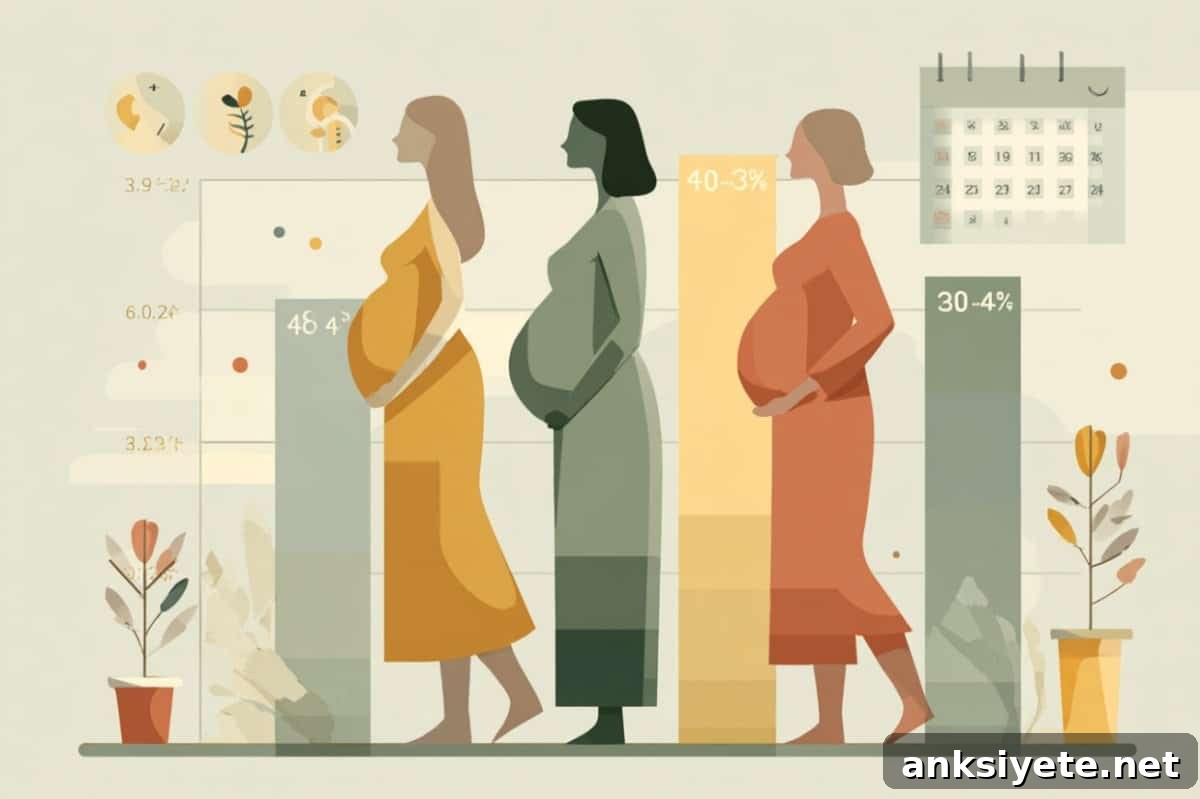
Summary: A nationwide study of more than 300,000 births in Sweden found that babies born to mothers aged 40 and older—particularly those whose mothers were 45 or older—face higher rates of adverse neonatal outcomes. Measured risks include stillbirth, preterm birth, infants small for gestational age, and neonatal hypoglycaemia.
Although severe complications remain uncommon in Sweden overall, the risk of several adverse outcomes rises with maternal age. These findings offer evidence to help healthcare providers and public health planners tailor screening, counselling, and interventions for older expectant mothers.
Key Facts:
- Highest risk at 45+: Stillbirth, prematurity, and small-for-gestational-age infants were most frequent among mothers aged 45 and older.
- Rising preterm birth rates with age: Preterm delivery occurred in 4.8% of births to mothers aged 35–39, 6.1% for ages 40–44, and 8.4% for ages 45 and older.
- Guidance for care: Results support targeted screening and interventions for older maternal age groups.
Source: Uppsala University
Having children after age 40 is increasingly common, but it is associated with greater risks for the newborn.
This large register-based study, drawing on Sweden’s national birth records, shows that children born to older mothers are more likely to be born prematurely or to experience specific complications at birth, with the greatest increases seen for mothers aged 45 or older.
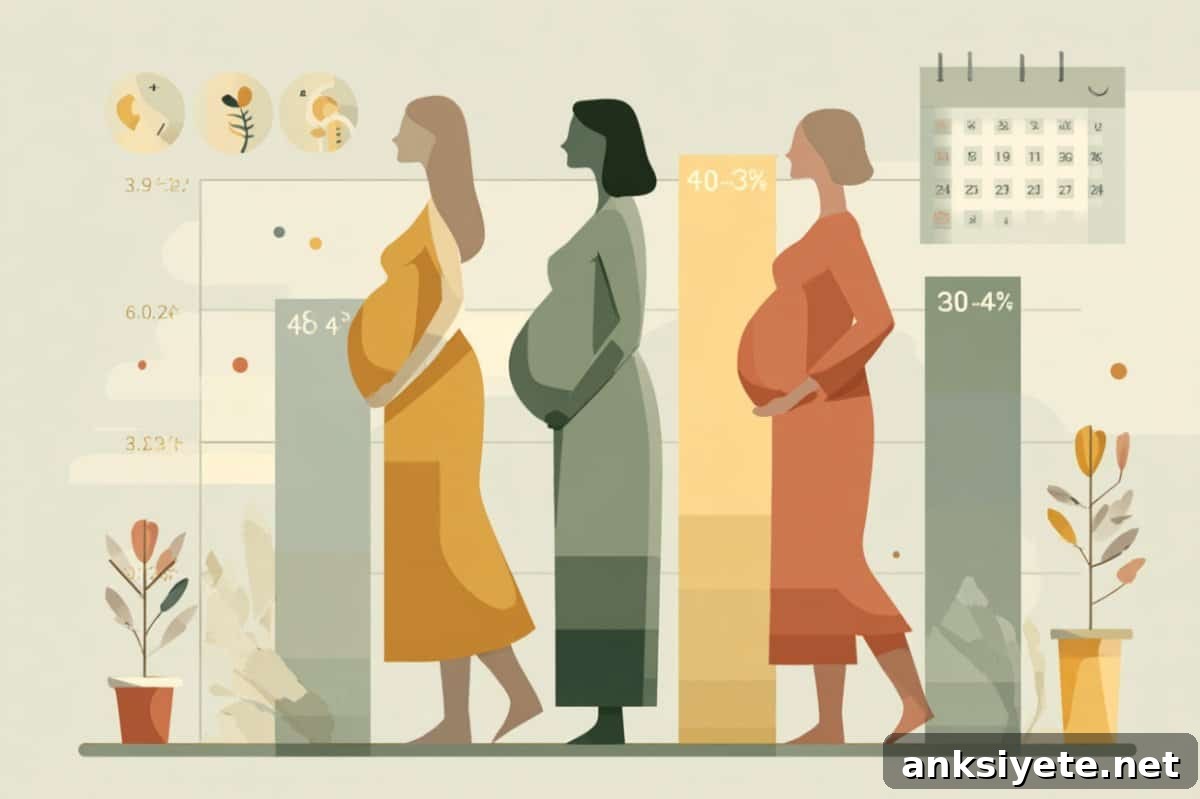
Globally, the age at which women give birth has been increasing. For example, in Sweden 4.8% of mothers were 40 years or older in 2022. Older mothers differ from younger ones in several measurable ways: they have higher average body mass index, are more likely to have used assisted reproductive technology, face increased risks of some pregnancy-related conditions, and have higher rates of Caesarean delivery.
To better understand how maternal age affects neonatal health, researchers examined detailed national data on singleton births spanning 2010–2022.
Higher risk of stillbirth and other adverse neonatal outcomes
The study, published in Acta Paediatrica, used the Swedish Medical Birth Register maintained by the Swedish National Board of Health and Welfare. After excluding multiple births, the researchers analysed 312,221 singleton births to mothers aged 35 years and older from 2010 to 2022. Mothers were grouped by age: 35–39 (reference), 40–44, and 45 and older.
The analysis shows that severe neonatal complications are rare in Sweden, but the likelihood of several adverse outcomes increases with maternal age above 39. Compared with infants of mothers aged 35–39, babies born to older mothers had higher odds of stillbirth, preterm birth, being small for gestational age relative to gestational length, and neonatal hypoglycaemia.
“Overall, serious complications remain uncommon, but we observed clear age-related increases in several neonatal risks, and the highest risks were among mothers aged 45 and older,” says Sofia Voss, lead author of the study.
Specifically, stillbirth occurred in 0.83% of pregnancies for mothers 45 and older, compared with 0.42% for mothers aged 35–39. Preterm birth rates increased from 4.8% in the 35–39 reference group to 6.1% for women aged 40–44 and 8.4% for women aged 45 or older.
Implications for clinical care and public information
Previous research often compared much younger mothers with older mothers; this study provides a more detailed view of how risk is distributed across different bands of advanced maternal age. By breaking down outcomes for the 35–39, 40–44, and 45+ groups, the researchers aim to improve the precision of counselling and clinical decision-making for women planning pregnancies later in life.
“As the proportion of older mothers grows, our findings can guide targeted screening and interventions so resources are focused where they can do the most good. It’s also important that women receive clear, evidence-based information to make informed choices about family planning,” says Sofia Voss.
The research was a collaboration between Uppsala University and Linköping University.
About this maternal age and birth risk research news
Author: Sandra Gunnarsson
Source: Uppsala University
Contact: Sandra Gunnarsson – Uppsala University
Image: The image is credited to Neuroscience News
Original Research: Open access. “Neonatal outcomes among infants of mothers with advanced maternal age: A national cohort study” by Sofia Voss et al., published in Acta Paediatrica.
Abstract
Neonatal outcomes among infants of mothers with advanced maternal age: A national cohort study
Aim
With maternal age rising in many countries, this study aimed to examine how varying degrees of advanced maternal age relate to adverse neonatal outcomes using national register data.
Methods
This nationwide register-based study used the Swedish Medical Birth Register and included all singleton births to women aged 35 and older between 2010 and 2022. Maternal age groups were 35–39 (reference), 40–44 (advanced maternal age), and 45+ (very advanced maternal age).
Results
A total of 312,221 singleton pregnancies were analysed. Compared with the 35–39 reference group, infants born to mothers aged 40–44 and 45+ showed increased odds for several adverse outcomes. Reported increases included stillbirth and being small for gestational age, with additional elevated risks for preterm birth, low Apgar scores at five minutes, and neonatal hypoglycaemia.
Conclusion
Severe neonatal complications were uncommon in Sweden, but risks were higher among the advanced and very advanced maternal age groups compared with the younger reference group. The authors recommend that healthcare providers clearly communicate the risks associated with delayed childbearing and consider targeted screening and interventions for older mothers.