Short Naps Spark Aha Moments and Creative Breakthroughs
featured 111214

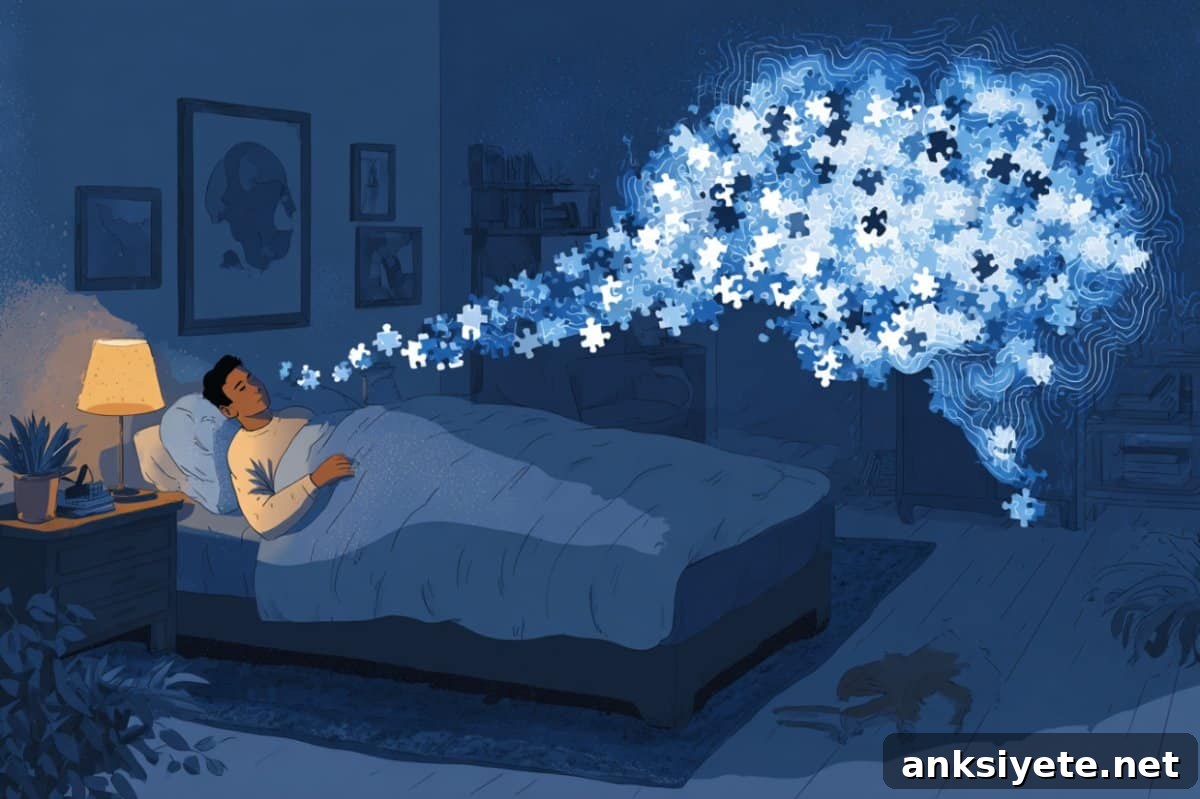
Summary: A recent study indicates that a brief nap—especially one that reaches deeper N2 sleep—can substantially increase the likelihood of problem-solving breakthroughs. Participants who entered N2 sleep after a short nap were far more likely to discover a hidden shortcut in a task than those who remained awake or only reached lighter sleep stages. Electroencephalogram … Read more


Surgeons Perform First Robotic Heart Transplant

featured 111209

Summary: Surgeons at Baylor St. Luke’s Medical Center performed the first fully robotic heart transplant reported in the United States, using advanced robotic instruments to remove the diseased heart and implant a donor heart without opening the chest through a traditional sternotomy. The team accessed the heart through small, precise incisions and the preperitoneal space, … Read more

Area Deprivation Linked to Alzheimer’s Markers and Inflammation

featured 111201

Summary: New research indicates that living in disadvantaged neighborhoods is associated with higher levels of biological markers linked to inflammation and Alzheimer’s disease. In a long-term study of 334 older adults, researchers observed increased tau and YKL-40 in cerebrospinal fluid and rising C-reactive protein in blood among people from less advantaged communities, suggesting that neighborhood … Read more

Stay Active to Slow Cognitive Decline

featured 111197

Summary: Regular physical activity benefits not only the body but also the brain. A 16-year study of more than 13,000 adults found that sustained activity over many years is linked to significantly slower cognitive decline in later life. The research shows that even modest increases in weekly movement—from light household chores to more vigorous exercise—are … Read more

Why Baby Talk Is Unique to Humans, Explained

featured 111193

Summary: Child-directed speech—commonly called “baby talk”—is a widespread human behavior strongly linked to early language learning. A comparative study led by researchers at the University of Zurich examined whether this vocal caregiving strategy appears among our closest relatives, the great apes. The team found that humans overwhelmingly use infant-directed vocalizations more than bonobos, chimpanzees, gorillas … Read more

How Neurons Coordinate Decision-Making in the Brain

featured 111189

Summary: Decisions begin subtly, as the brain accumulates evidence and leans toward a choice long before an action is taken. New research reveals that despite wide variability in individual neuron responses, a common underlying structure — a shared “potential landscape” — organizes neural activity and steers the brain toward coherent decisions. Researchers trained rhesus macaques … Read more

Grip Strength Predicts Brain Changes Linked to Early Psychosis

featured 111185

Summary: Psychosis may begin not with obvious hallucinations or delusions but with subtle motor changes such as reduced grip strength. A new study links weaker grip strength in people with early psychosis to altered brain connectivity, especially in networks that coordinate movement and higher-order cognition. These connectivity changes involve regions including the anterior cingulate cortex, … Read more

New Study: Infants Show Flexible Learning and Adaptation

featured 111181

Summary: New research shows that infants as young as eight months can flexibly adjust their learning strategies in response to changing environments. By combining eye-tracking with controlled shifts in visual stimuli, researchers observed that babies changed where and how they looked depending on whether a playful on-screen character appeared in predictable or unpredictable locations. These … Read more

Joy Deferred: Why Longing Leads to Procrastination

featured 111175

Summary: Although people often long to resume activities they enjoy, many intentionally wait to do so, hoping the moment will feel more meaningful. New research finds that the longer people perceive their absence from an activity, the more likely they are to postpone returning to it—even for simple, pleasurable actions like visiting friends or dining … Read more

Autoimmune Disorders Double Depression and Anxiety Risk

featured 111171

Summary: A large UK population study finds that people with autoimmune diseases face almost twice the risk of persistent mental health disorders—such as depression, anxiety, and bipolar disorder—compared with the general population. The link appears strongest in women, suggesting chronic inflammation and sex-related biological factors could be important contributors. Researchers analyzed data from more than … Read more